
Last updated November 15, 2026
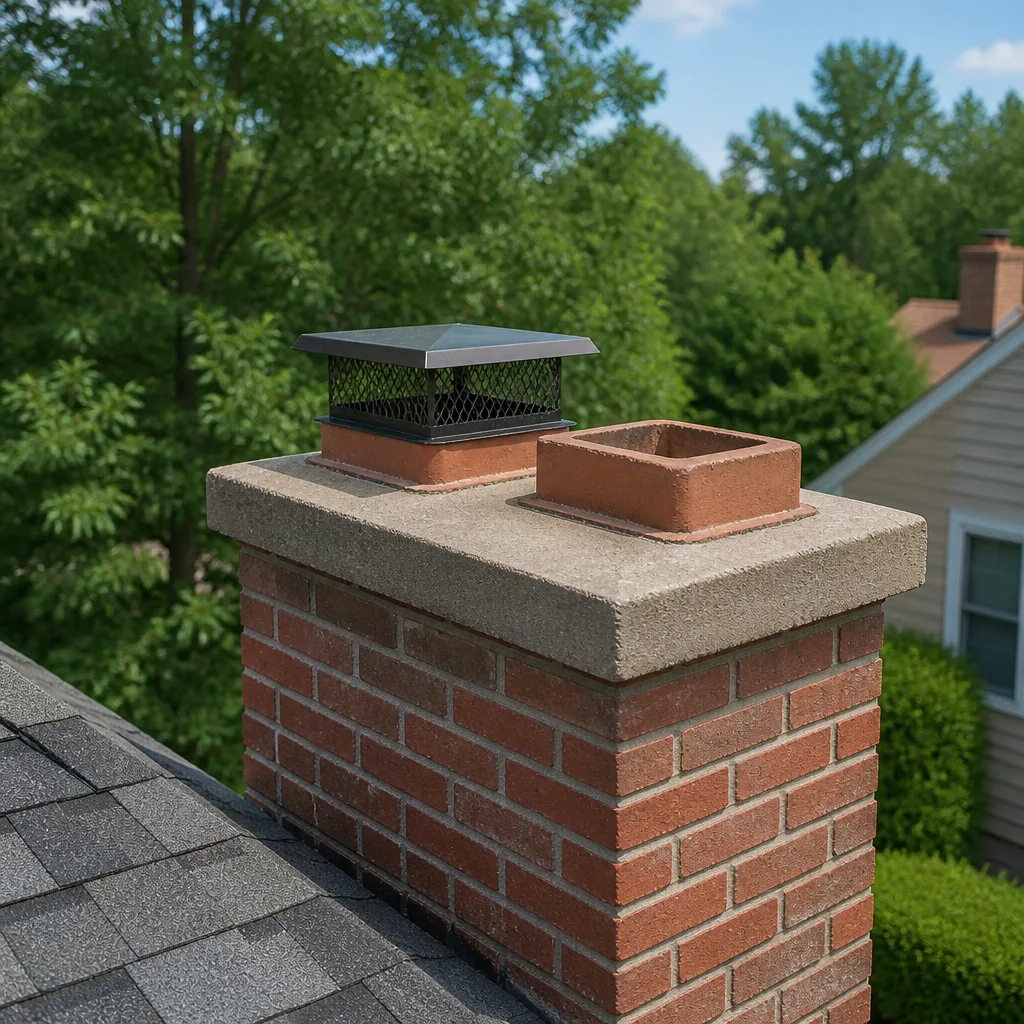 Sweep & inspection
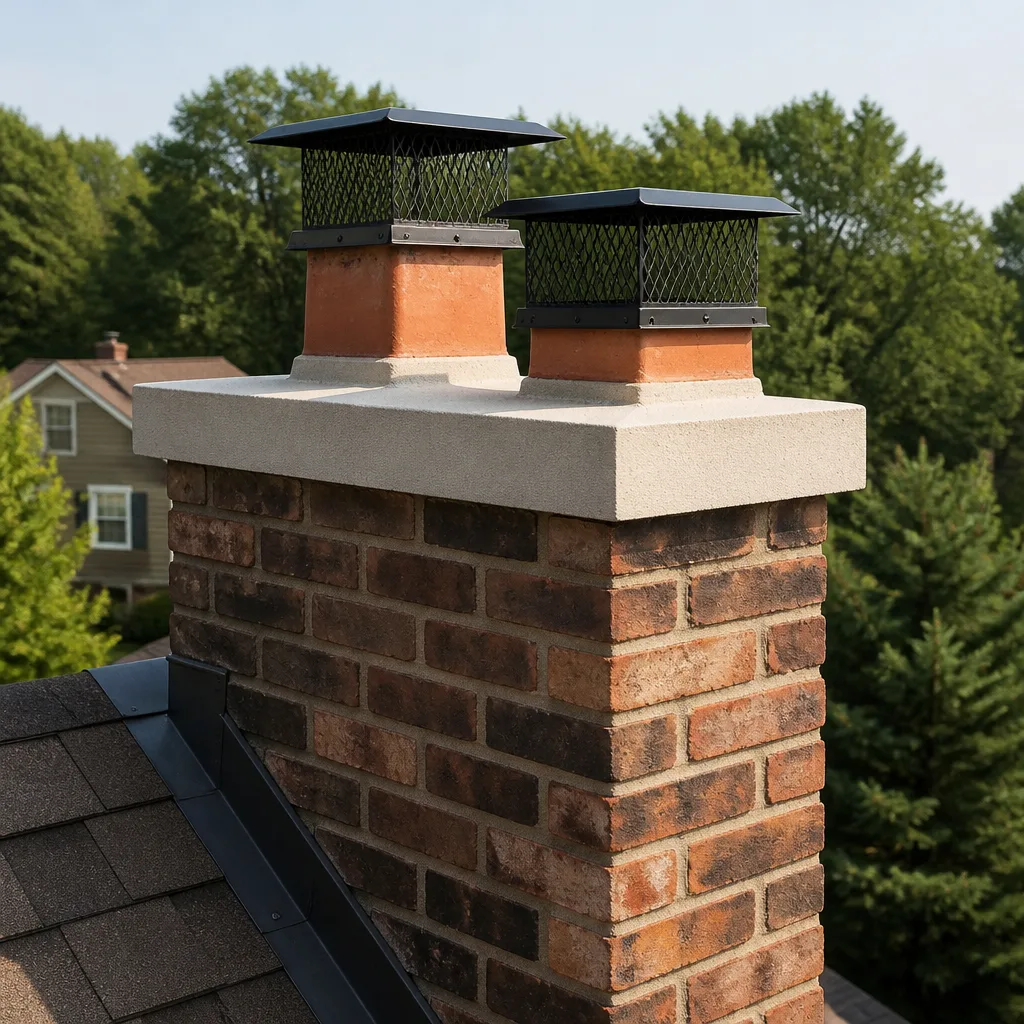 Caps & crowns
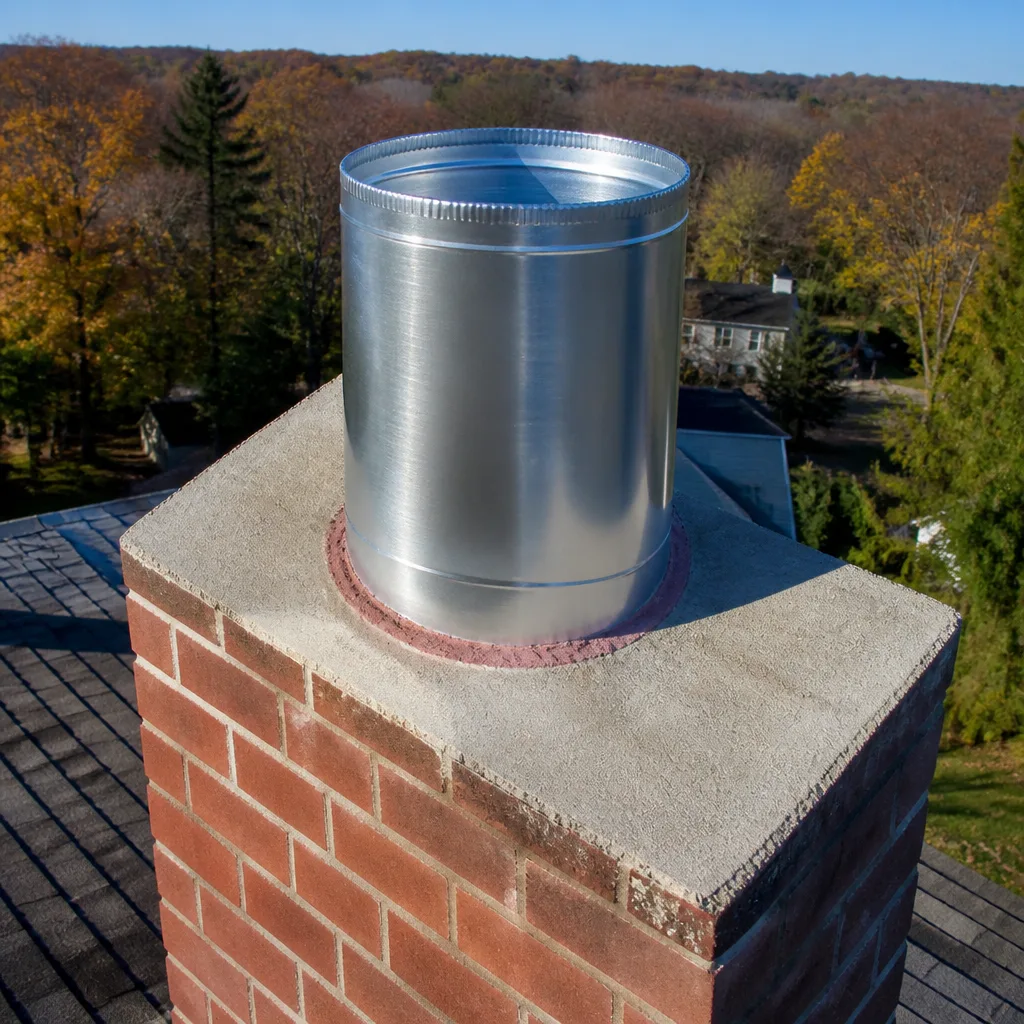 Flue relining
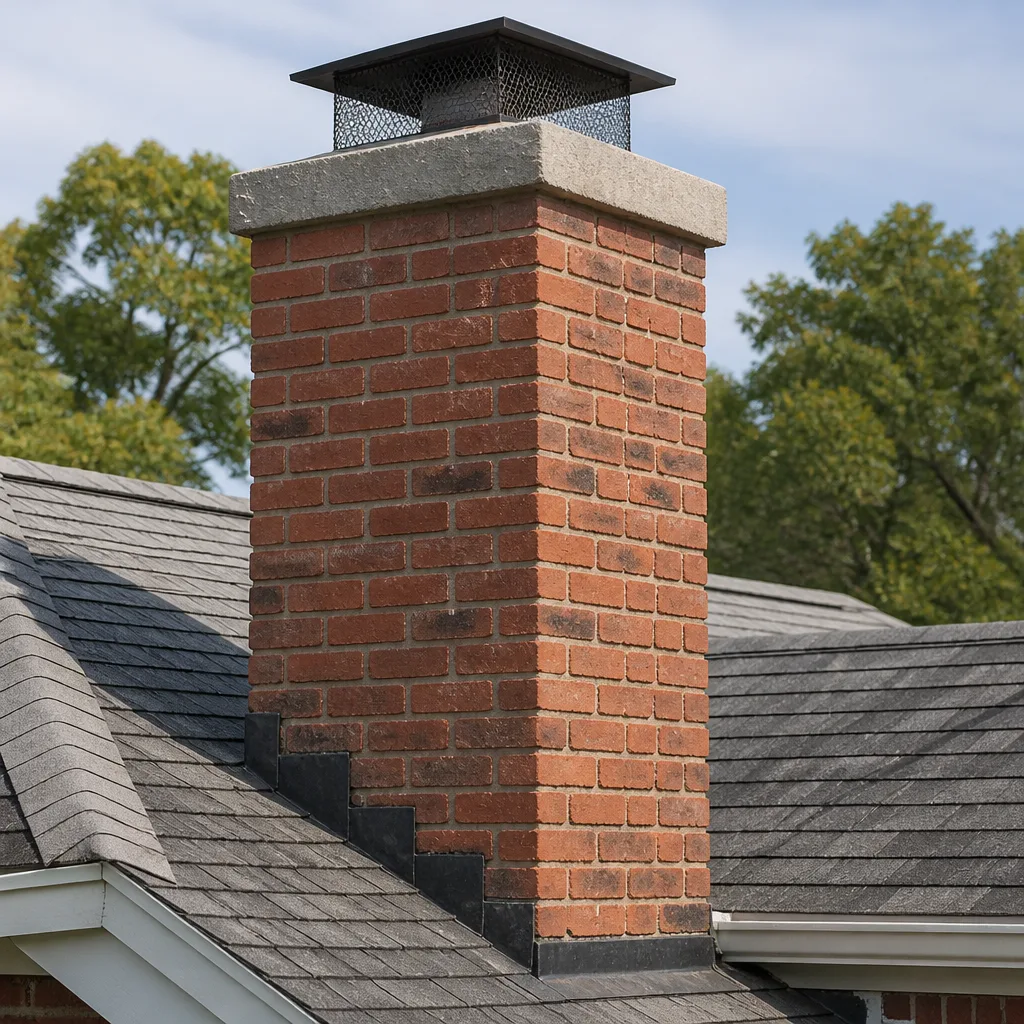 Masonry repair
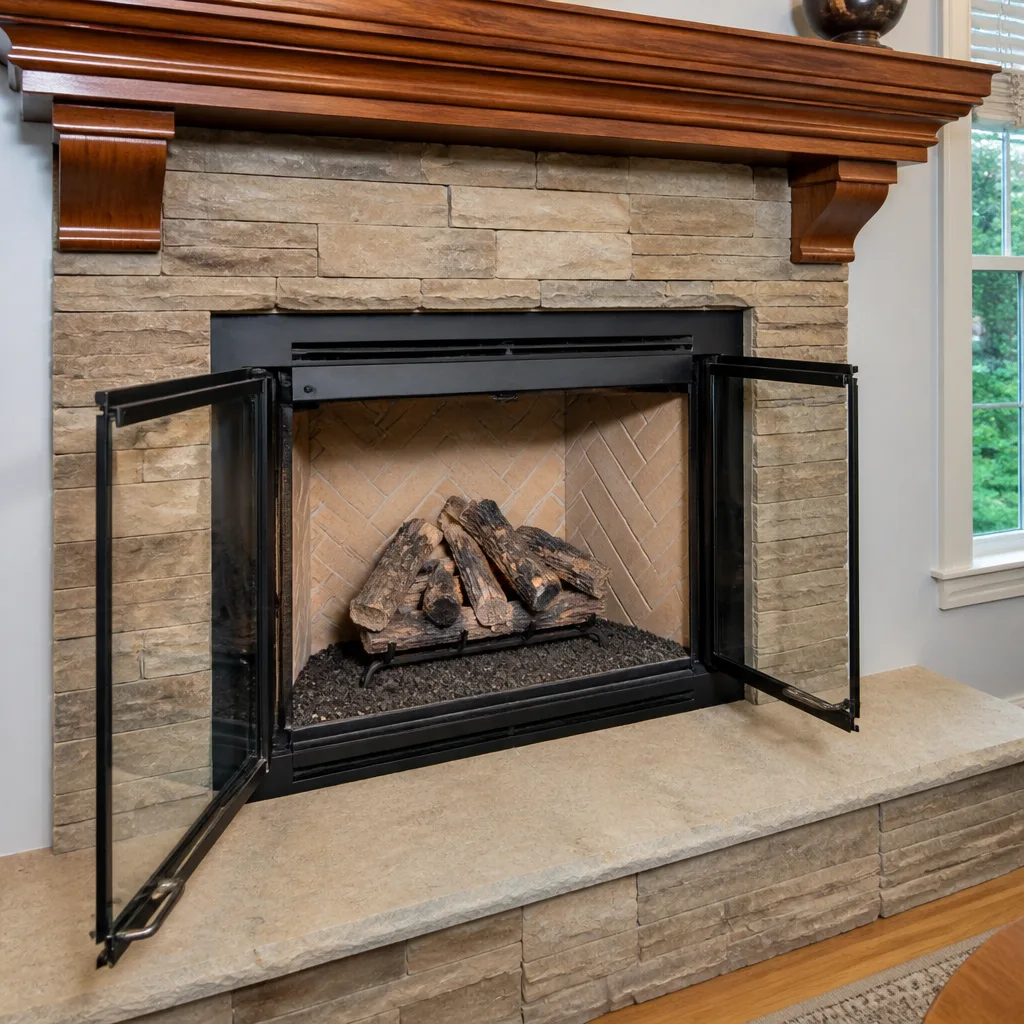 Gas fireplace service
Level 1 sweep and inspection to the NFPA 211 annual standard - flue, crown, cap, and flashing checked and photographed
Chimney sweep logs do not sweep chimneys. They loosen some creosote - which then falls where a brush and vacuum still have to collect it.
How to Hire a Chimney Cleaning Contractor in Fort Wayne: A Step-by-Step Guide
Most people searching for a chimney sweep in Fort Wayne assume the hard part is finding a phone number. The harder part is figuring out what the person on the other end of that number actually knows. A general HVAC company will list “chimney cleaning” on its website because it’s a service people search for, not because anyone on the crew has been trained on flue mechanics, liner condition, or creosote behavior in a wood-burning system. CSIA certification isn’t a marketing badge you can buy – it requires passing a proctored exam on how chimney systems actually work – and far fewer contractors in Indiana hold it than the search results would suggest. This guide walks through the exact credential checks, estimate comparisons, and equipment questions that separate a chimney specialist from an opportunist, so you can hire with confidence in Fort Wayne.
Quick Answer
To hire a chimney cleaning contractor in Fort Wayne, verify CSIA certification and liability insurance before booking, ask whether the quote follows an actual visual inspection of the flue and firebox, and request a written estimate that itemizes sweeping, inspection, and any recommended repairs separately. A contractor who quotes a price over the phone without seeing the chimney, or who can’t produce certification and insurance documents on request, isn’t the one to hire.
Styles & brands we work with
- Sweep & inspection
- Caps & crowns
- Flue relining
- Masonry repair
- Gas fireplace service
Table of Contents
- What credentials should a chimney contractor in Fort Wayne have?
- Why a quote without a flue inspection is a red flag
- How to compare written estimates line by line
- Equipment questions that reveal a real specialist
- How to verify liability coverage for chimney work
- The step-by-step hiring process
- Common mistakes to avoid
- When to call a professional
What Credentials Should a Chimney Contractor in Fort Wayne Have?
The two credentials that matter most are CSIA certification and NFI certification, and they certify different things. Knowing which is which will save you from being impressed by the wrong letters after a name.
CSIA (Chimney Safety Institute of America) certification covers the chimney system itself – how flues vent, how creosote forms and behaves, how liners fail, and how to inspect and sweep safely. It’s earned by passing a proctored exam, and it has to be renewed. A CSIA-certified sweep understands the mechanics of the whole system, not just how to push a brush through it.
NFI (National Fireplace Institute) certification is gas, wood, or pellet specific and focuses on appliance installation and venting. It’s useful if you have a gas insert or a newer wood stove and want someone who understands how the appliance connects to the flue. A sweep who holds NFI credentials alongside CSIA is signaling depth across both the system and the appliance.
Whether or not a company holds both, these are the questions to ask before you book in Fort Wayne:
- Are your technicians CSIA certified, and can you send documentation?
- Do you carry NFI certification for gas or wood appliances?
- Is your liability insurance active, and can I see the certificate?
- Do you perform inspections and repairs yourselves, or do you refer those out?
- What product lines do you work with for liners and resurfacing?
That last question matters more than it sounds. A company that works with a range of industry-recognized materials – HeatShield for ceramic flue resurfacing, Gelco and Olympia Chimney for liner components, Famco for venting – has the flexibility to fix what a specific chimney actually needs rather than forcing every job into one supplier’s solution. When we quote a repair, the recommendation is shaped by the flue in front of us, not by what happens to be in stock.
Why a Quote Without a Flue Inspection Is a Red Flag
If a contractor gives you a firm price for chimney cleaning over the phone without looking at your flue and firebox first, treat that as a warning, not a convenience. Chimney work isn’t uniform. A clean masonry flue on a 1990s ranch in Aboite is a different job from a hundred-year-old chimney in West Central with a clay liner that may have spalled or cracked. The sweep can’t know which one they’re dealing with until they’ve looked.
What a legitimate pre-booking conversation includes:
- Basic questions about the system. What burns in the fireplace (wood, gas, pellets), how often it’s used, whether there’s a liner, and when it was last swept.
- A clear statement that the price will be confirmed after inspection. A flat estimate is fine to give, but it should be presented as an estimate pending what the sweep sees.
- A camera inspection included or offered. A visual look down the flue with a camera catches cracked tiles, gaps, and heavy glaze that a flashlight from the firebox won’t reveal.
- Permission to say “I need to see it first.” A specialist is comfortable telling you the flue condition determines the work, not the other way around.
There’s a Fort Wayne-specific angle here. Our climate swings hard between humid summers and freezing winters, and that freeze-thaw cycle works on masonry. Cracks that look cosmetic in July can open up by January. A quote given in spring based on a phone description has no way to account for what winter did to the crown or the liner. The sweep needs eyes on the flue, and ideally a camera, before the number means anything.
How to Compare Written Estimates Line by Line
Two estimates for “chimney cleaning” can look identical on the total and be completely different underneath. The way to tell them apart is to read the line items. A written estimate from a real specialist separates the work into pieces you can evaluate. A bundled estimate hides the upcharges inside a single number.
What a proper estimate for chimney sweep work should itemize:
- Sweeping – priced as its own line, with the method noted (rotary brush, HEPA vacuum setup).
- Inspection level – Level 1, 2, or 3, and what each includes. A Level 1 visual check, a Level 2 camera inspection, and a Level 3 inspection (which may involve opening the chimney) are different products with different prices.
- Findings – any cracks, gaps, heavy creosote, or animal debris noted separately with a photo or description.
- Recommended repairs – itemized as separate optional lines, each with a price and a note on urgency.
- Product specified – if a repair is recommended, the estimate should name the material (HeatShield resurfacing, a Gelco liner component, and so on) so you can research it.
What gets bundled to hide upcharges: “inspection and cleaning” as one line with no breakdown, “repairs as needed” with no price, or a flat number that quietly includes a service you didn’t ask for. If a company quotes you $X and then presents a $X-plus-something bill after the sweep because “the flue needed extra work,” that’s a sign the original estimate wasn’t built on a real inspection.
Ask each contractor to send the estimate in writing before you book. Compare the total against the line items and see what’s actually included. The written estimate should set the final price – if the number can drift after the fact, it wasn’t really an estimate.
Equipment Questions That Reveal a Real Specialist
The equipment a chimney company uses tells you a lot about how seriously they take the job, and it’s easy to ask about. Two categories matter: dust control and visibility.
Industrial-grade HEPA vacuums. A proper sweep runs a HEPA vacuum at the firebox while sweeping the flue, so soot and creosote dust stay in the machine rather than settling into your living room. A brush-and-bag operation – where a plastic sheet and a shop vac do the work – will leave a fine gray film on everything within a few feet of the hearth. Ask directly: “Do you use a HEPA vacuum during the sweep?” The answer should be yes, not “we try to keep it clean.”
Camera inspection capability. A camera on a flexible rod lets the sweep see the full length of the flue – the liner, the joints, the smoke chamber, the crown. Without it, the sweep is guessing about the parts they can’t reach with a flashlight. Camera capability is also what lets the sweep show you photographic evidence of what they found, rather than asking you to take their word for it. That’s the part that matters when a repair is recommended: you should be able to see the crack, the gap, or the glaze for yourself.
Other equipment worth asking about:
- Rotary brush systems versus hand brushes – rotary handles heavier creosote
- Drop cloths and floor protection appropriate to your hearth and flooring
- A chimney cap and crown inspection tool set, since those components are part of the system
If a company can describe its equipment clearly and specifically, that’s a good sign. If the answer is vague or the conversation slides away from the question, keep looking.
How to Verify Liability Coverage for Chimney Work
Chimney work involves ladders, roofs, and heavy equipment, and a lot can go wrong up there. Verifying liability insurance before the sweep arrives protects you from being on the hook for property damage or, worse, a worker injury on your property.
Here’s how to check:
- Ask for a certificate of insurance. The company should be able to email or text you a current certificate naming the business and showing general liability coverage.
- Confirm the policy is active. Ask for the effective dates and check that today falls inside them.
- Ask about the coverage amount. Chimney work is a moderately high-risk trade – roof access, tools, moving parts. If the contractor hesitates to disclose the coverage amount, that’s a reason to keep shopping.
- Confirm the name matches. The name on the certificate should match the company you’re hiring, not a parent company you’ve never heard of.
- Ask about workers’ compensation if employees will be on site. If someone gets hurt on your roof, you don’t want to discover the company was treating them as an independent contractor with no coverage.
Any legitimate chimney contractor should hand over this documentation without friction. If getting a certificate feels like pulling teeth, that itself is the answer to whether you want them on your property.
The Step-by-Step Hiring Process
Here’s the full sequence, in order, from first search to final visit. Working through it methodically keeps you from booking the first company that answers the phone.
- Build a shortlist of three contractors. Search for chimney specialists in Fort Wayne specifically, not general handyman services. Read reviews for specifics about chimney work, not just star counts.
- Ask about credentials on the first call. CSIA, NFI, and whether technicians hold either. Note which companies can answer without hesitation.
- Request insurance documentation. Email or text is fine. See who sends it quickly and who stalls.
- Ask about the inspection process. Camera inspection, HEPA vacuum, what a Level 2 includes. This is where the real specialists separate from the generalists.
- Request a written estimate. Itemized, with the sweep, inspection level, and any repair recommendations priced separately.
- Ask what happens if a repair is found. Does the same company do the repair, or do you get referred to someone else? Chimney repair handled by the same crew means no hand-off, no second estimate, and no second contractor getting a fresh look at your chimney.
- Book the visit and confirm the scope. Confirm whether the visit is a sweep, an inspection, or both, and whether the sweep is included in the inspection price.
- Review the findings in person. Ask the sweep to walk you through any photos and to say plainly which repairs are urgent, which can wait, and which aren’t needed at all.
That last step matters most. A good chimney contractor will tell you when work can safely wait. Not every cracked tile needs fixing this season, and not every flue with light surface glazing needs resurfacing. If a company can’t give you a “wait” answer, they’re probably selling, not inspecting.
Common Mistakes to Avoid
- Booking the cheapest advertised sweep without checking credentials. A low price often means a brush-and-shop-vac operation with no certification behind it. You end up paying twice when a pro has to redo the work or find what the first sweep missed.
- Accepting a firm quote over the phone. A chimney sweep who prices the job before seeing your flue and firebox is guessing, and the guess will be adjusted upward once they’re on site. Get the estimate in writing after an inspection instead.
- Letting a general HVAC company do the sweep. HVAC technicians are trained on furnaces and ducts. Chimney flues are a different system with different failure modes, and a furnace technician isn’t the person to spot a spalled liner in a West Central masonry chimney.
- Skipping the camera inspection. A visual check from the firebox can’t see the full flue. Without a camera, cracks, gaps, and heavy glaze go unnoticed until they become a problem.
- Not asking whether the repair will be done in-house. Getting a sweep who then refers the repair to a different contractor means starting the vetting process over – and paying a second dispatch.
- Accepting a bundled estimate without line items. “Inspection and any repairs” as a single price hides the upcharges and leaves you with no way to question them.
- Forgetting to check insurance before the visit. Once the technician is on your roof, it’s too late to ask. Verify coverage before you book.
When to Call a Professional
Chimney work is worth calling a specialist for rather than waiting, especially if you burn wood regularly in Fort Wayne. The following situations are all reasons to pick up the phone:
- You’ve burned a full season of wood and haven’t had the chimney swept yet – annual sweeping before the next heating season is the standard
- You notice a strong smoky smell in the house when the fireplace isn’t in use, which can indicate draft problems or creosote buildup
- Your fireplace draws weakly, sends smoke into the room, or the fire struggles to stay lit
- You’ve had a chimney fire, even a small one you put out quickly
- You see cracked or missing mortar, a damaged crown, or a flue tile that looks compromised
- You’ve moved into a Fort Wayne home with an older masonry chimney and don’t know when it was last inspected
- You’re switching fuels – wood to gas, for example – and need the flue checked for compatibility
Fort Wayne Chimney Sweep offers free estimates in Fort Wayne – call (866) 589-6152. We answer 24/7. Fast dispatch from 7am to 7pm, Sunday through Friday. A chimney sweep who can’t do the repair is only half the job, so we handle inspection, cleaning, and repair with the same crew.
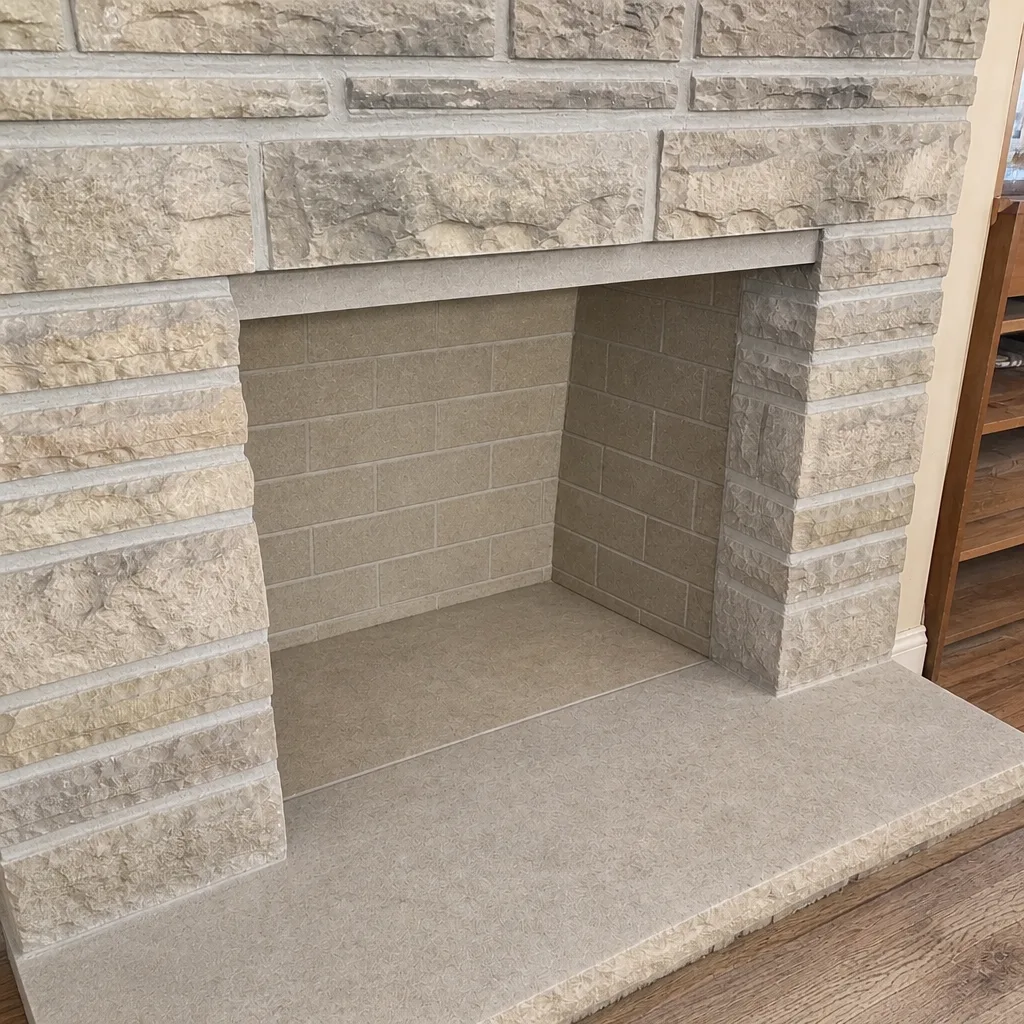
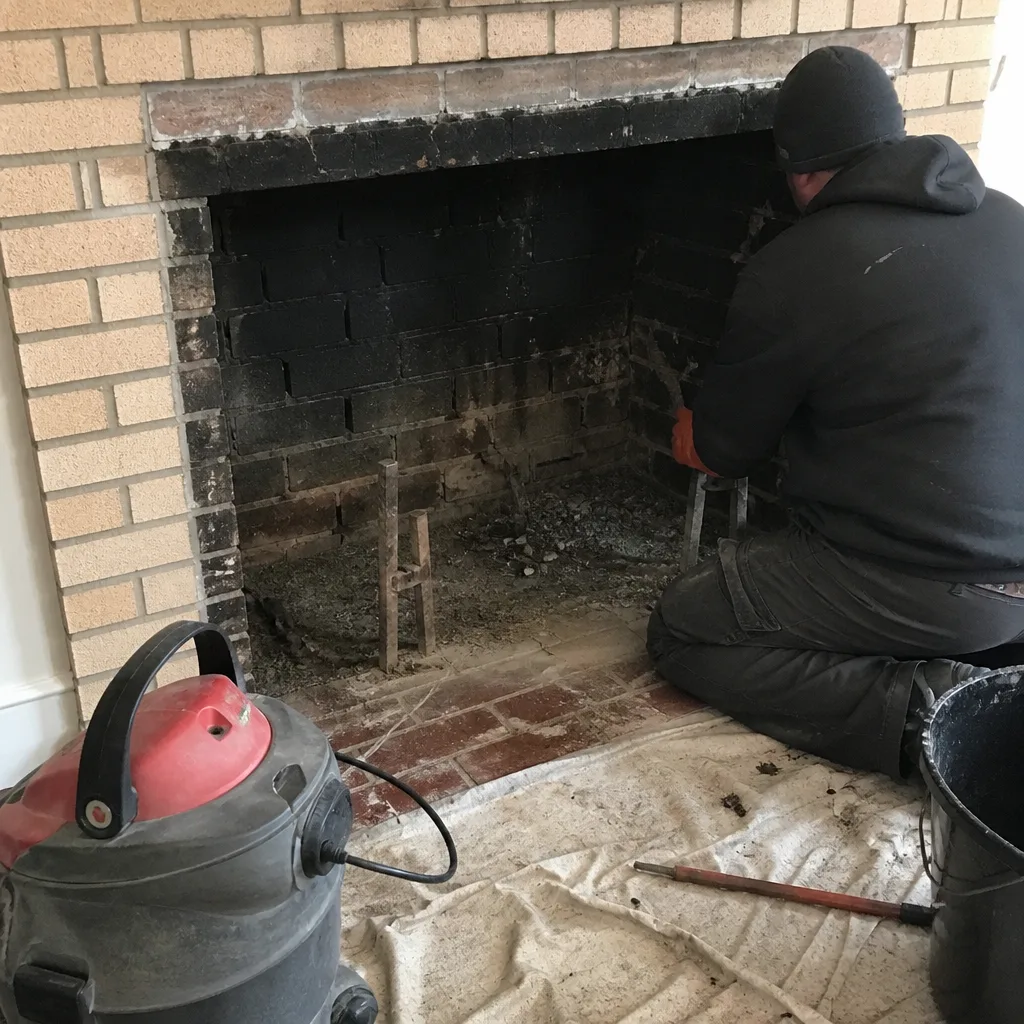
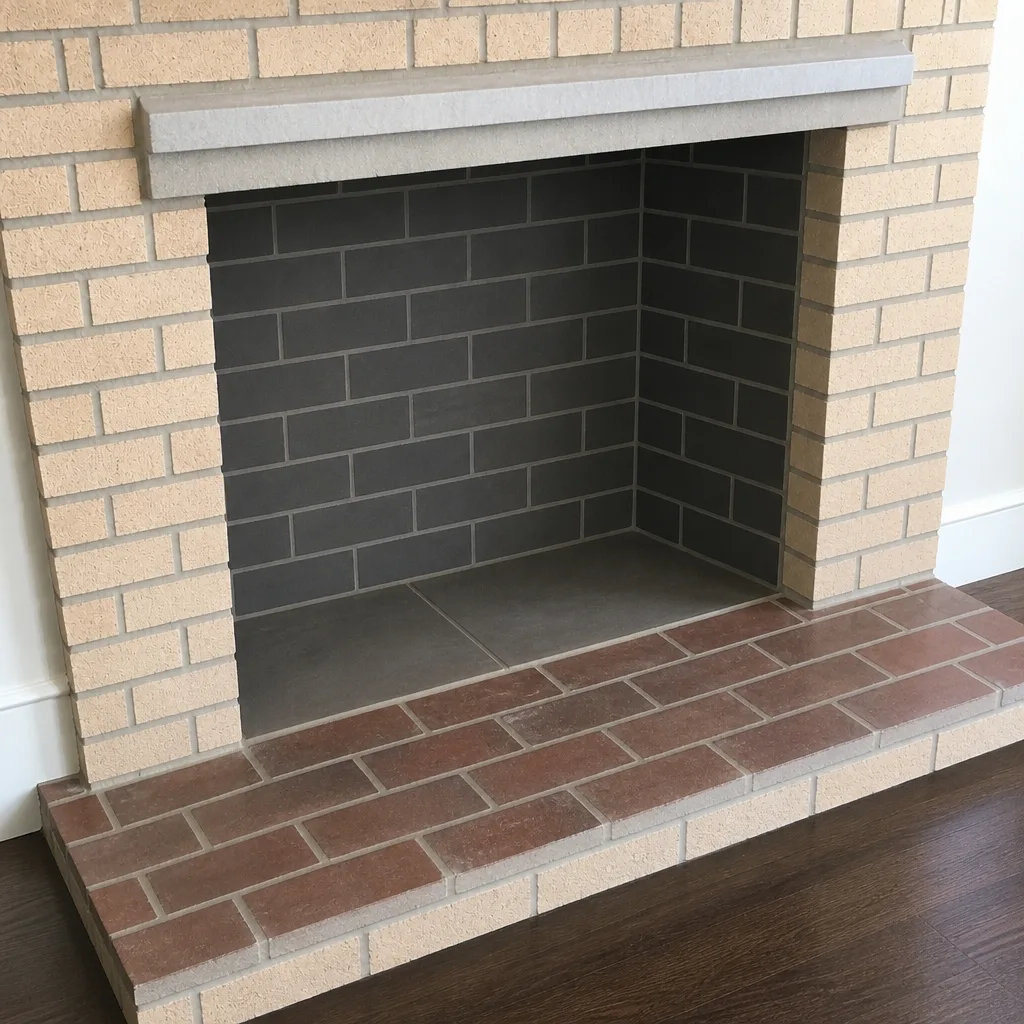
See the difference
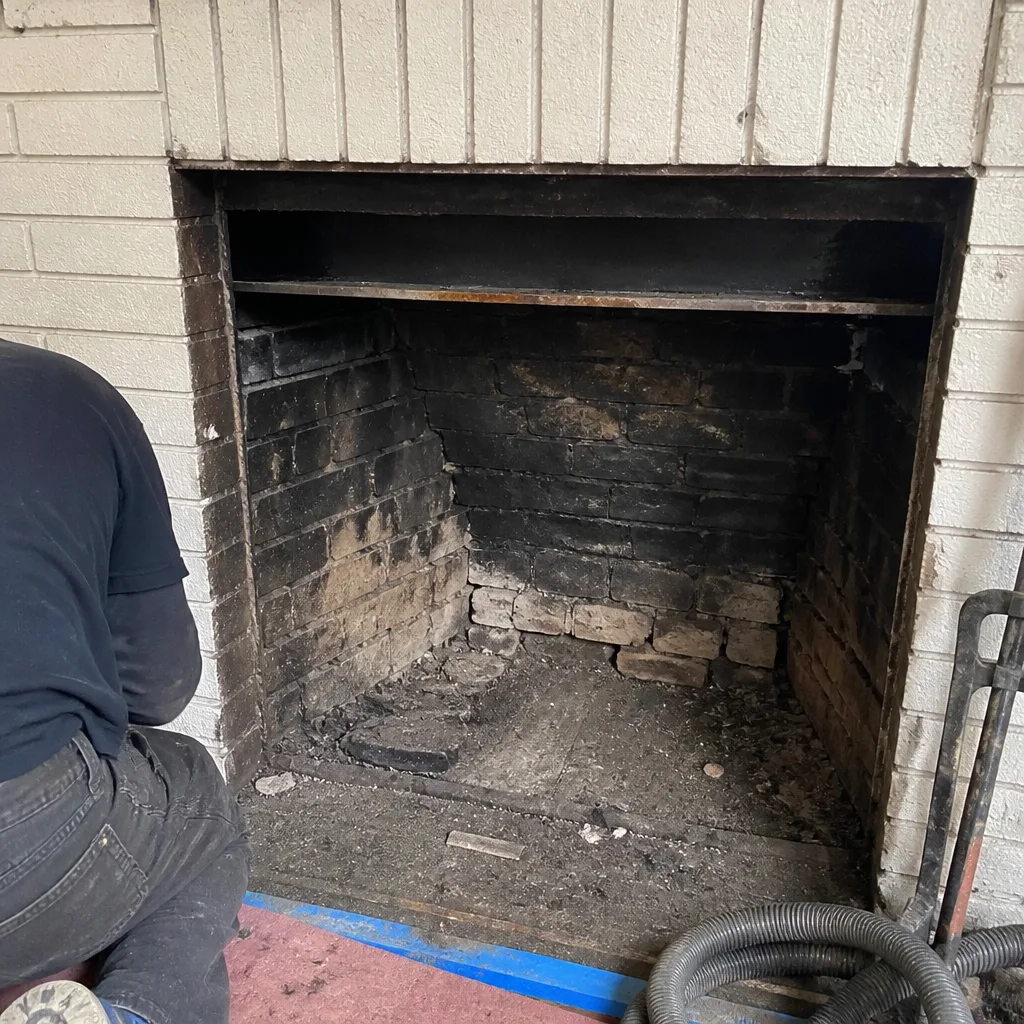 Before
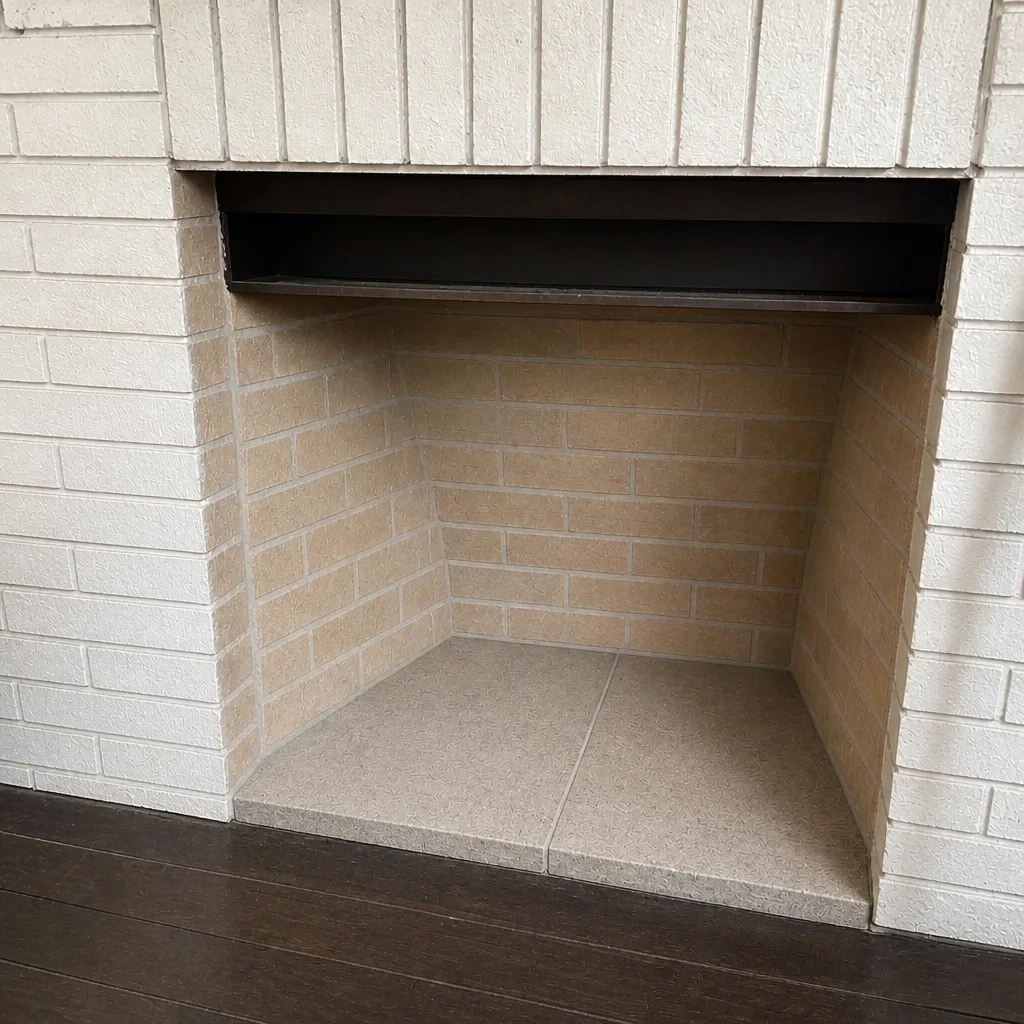 After
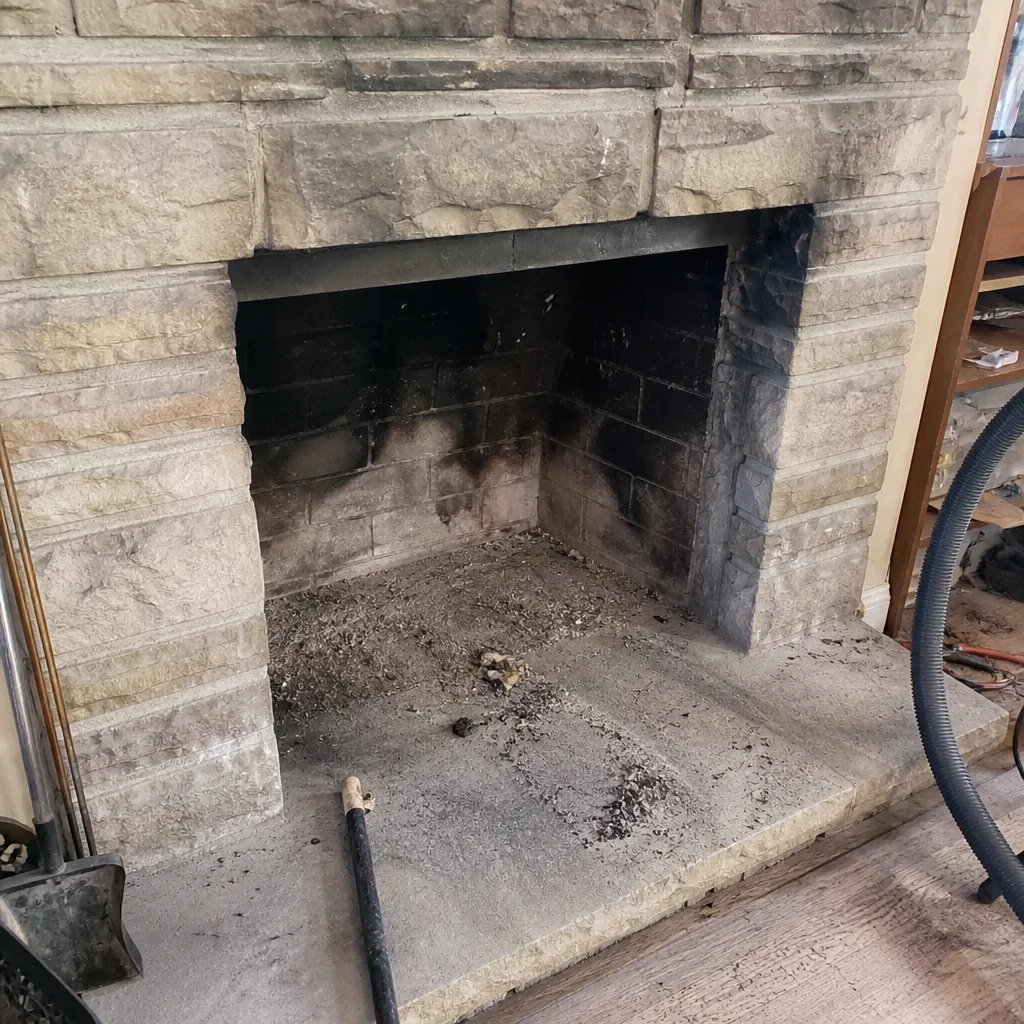 Before
 After
 Before
 After
Frequently Asked Questions
A standard chimney sweep in Fort Wayne typically runs in the range of $150 to $300, and an inspection is usually priced separately or bundled with the sweep. A camera inspection runs higher than a basic visual check, and any repairs are quoted separately after the sweep reports its findings. The written estimate sets the final price, and estimates are free. Call (866) 589-6152 for an exact quote.
You need a new liner only when the existing one has failed in a way that can’t be repaired. Cracked clay tiles, gaps between sections, or a liner that’s pulled away from the flue walls can let heat and gases escape into the chimney structure, and that’s a real hazard. But many liners with surface damage can be resurfaced instead of replaced, which is where HeatShield comes in – it’s a ceramic resurfacing method that can extend liner life without the cost of a full relining. The only way to know which one you’re dealing with is a camera inspection that shows you the damage. Call (866) 589-6152 for an exact quote – estimates are free.
A wood-burning chimney should be swept annually, and more often if you burn heavily or burn unseasoned wood. Gas appliances need annual inspection too, even though they produce less creosote, because the venting can still degrade. In Fort Wayne, the practical rhythm is to have the chimney checked before the heating season starts, so any findings can be handled before the first fire. Call (866) 589-6152 to book a sweep – estimates are free.
Creosote builds up on the flue walls with every fire, and heavy creosote is what fuels chimney fires. A blocked or heavily glazed flue can also cause carbon monoxide to back up into the house instead of venting outside. Skipping the annual sweep doesn’t cause immediate trouble, but it stacks the risk quietly until one fire or one cold snap turns it into a real problem. Call (866) 589-6152 for an exact quote on getting it checked – estimates are free.
A handyman can run a brush, but that’s not the same as a chimney sweep. The value of a chimney specialist is in the inspection and the diagnosis – recognizing a failing liner, a spalled flue tile, a compromised crown, or a creosote condition that needs more than a standard sweep. In Fort Wayne, where older masonry chimneys are common, the diagnosis is most of the job. A handyman who can’t read the flue isn’t really sweeping it.
Hire a Fort Wayne contractor who holds CSIA certification, carries liability insurance you can verify, uses a HEPA vacuum and camera inspection, and provides a written itemized estimate. The specialists in Fort Wayne will be able to describe their equipment and process specifically, and they’ll be comfortable telling you when work can wait. If a company hesitates on any of those, keep looking.
The Bottom Line
Hiring a chimney contractor in Fort Wayne comes down to five checks: credentials, insurance, inspection process, equipment, and written estimate. A CSIA-certified sweep with liability coverage, a HEPA vacuum, and a camera inspection is the baseline. A quote given before the flue has been seen, a bundled estimate with no line items, or a company that can’t tell you who will handle the repair – those are reasons to look elsewhere. The right contractor will tell you plainly when nothing needs fixing and when something can safely wait. That’s the sign you’re dealing with a specialist, not a salesperson. At Fort Wayne Chimney Sweep, inspection, cleaning, and repair are handled by the same crew, so nothing gets passed off mid-job.
Contact Us
If you’ve read through this guide and want to skip the vetting, give us a call. We’re happy to send documentation, describe the inspection process, and give you a written estimate before you commit to anything. Call (866) 589-6152 for a free estimate. We answer 24/7. Fast dispatch from 7am to 7pm, Sunday through Friday. Our technicians have up to experience, and we work with HeatShield, Gelco, Olympia Chimney, Famco, DuraFlex, and Copperfield because no two chimneys need the same fix.
Written by the team at Fort Wayne Chimney Sweep.