
Last updated November 15, 2026
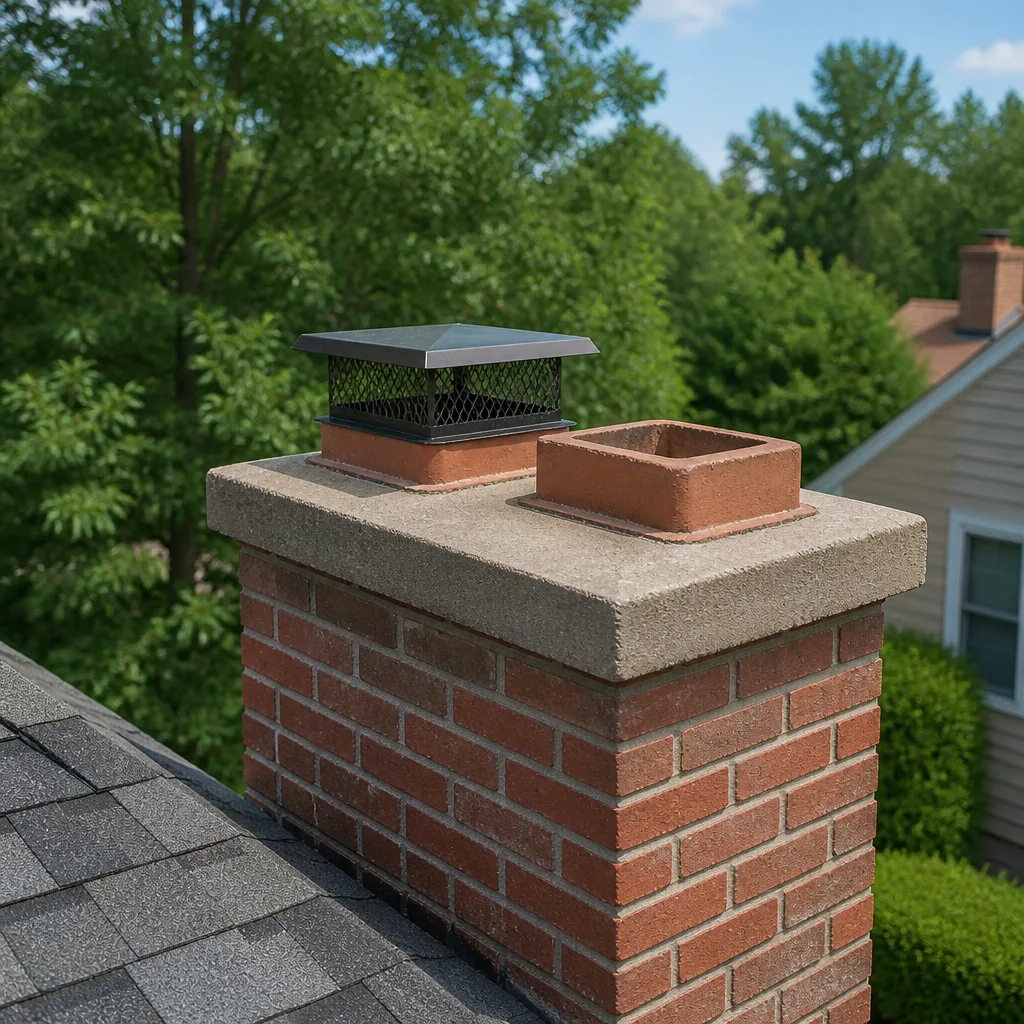 Sweep & inspection
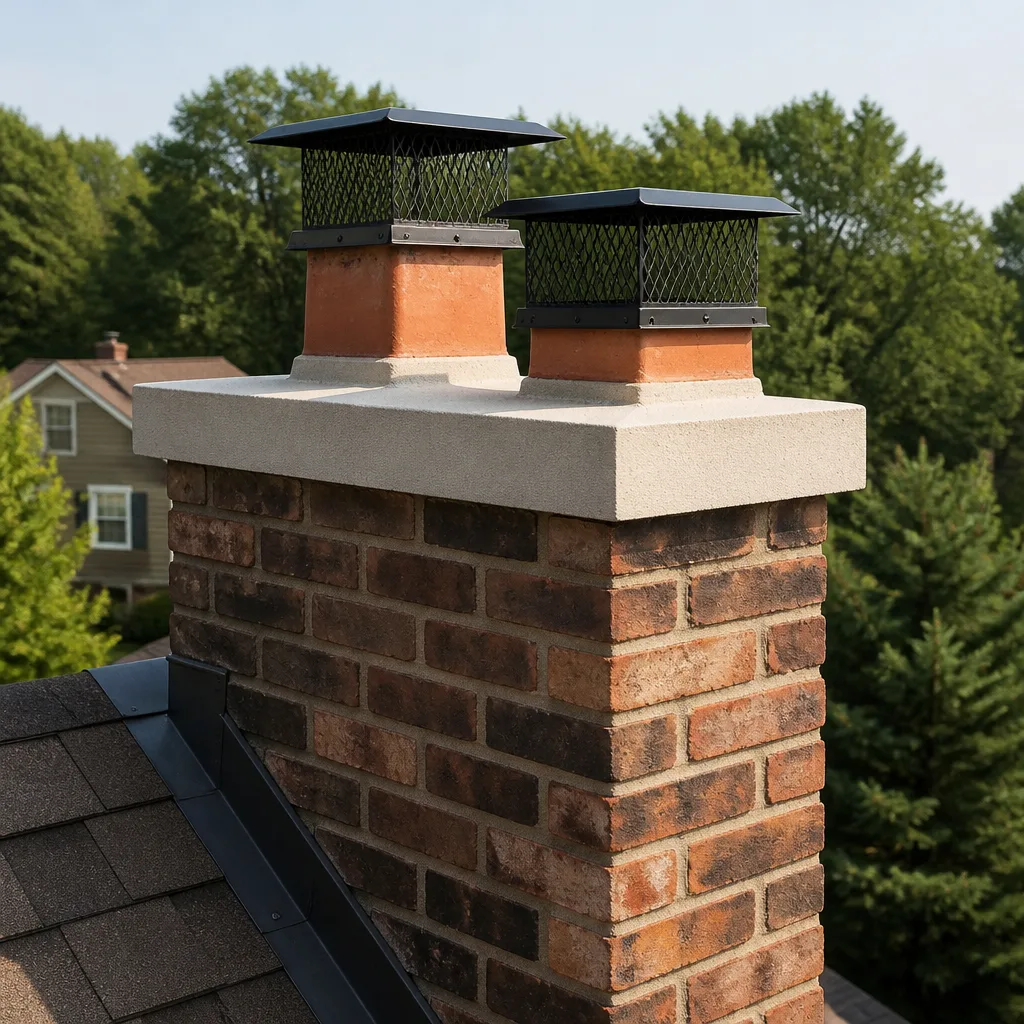 Caps & crowns
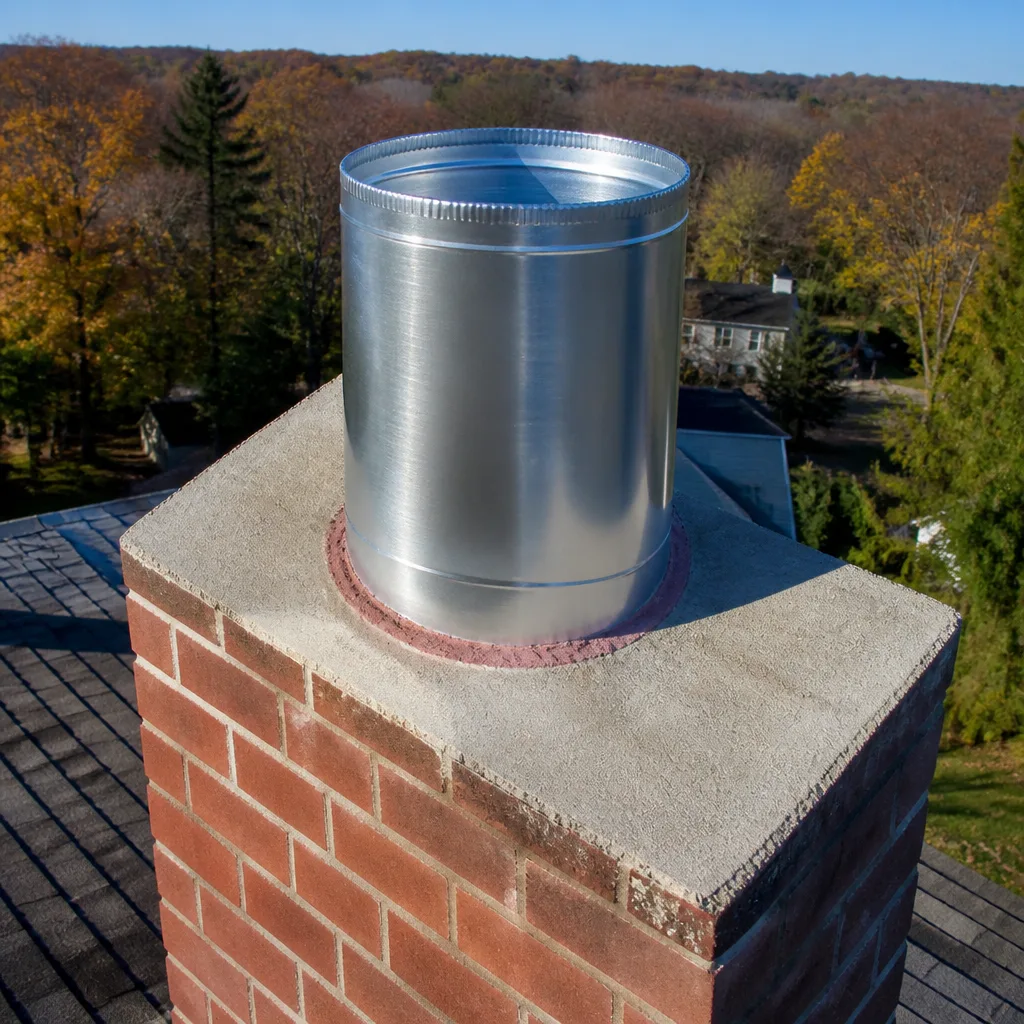 Flue relining
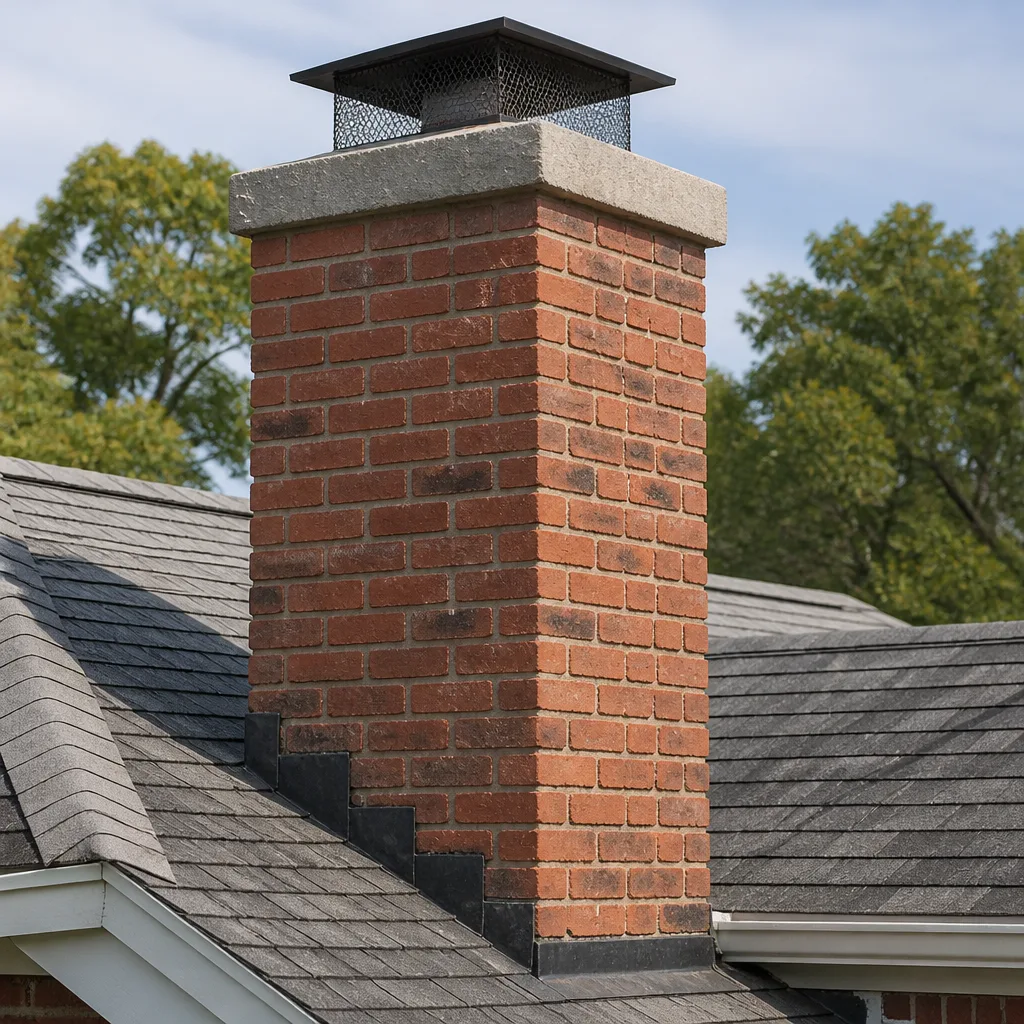 Masonry repair
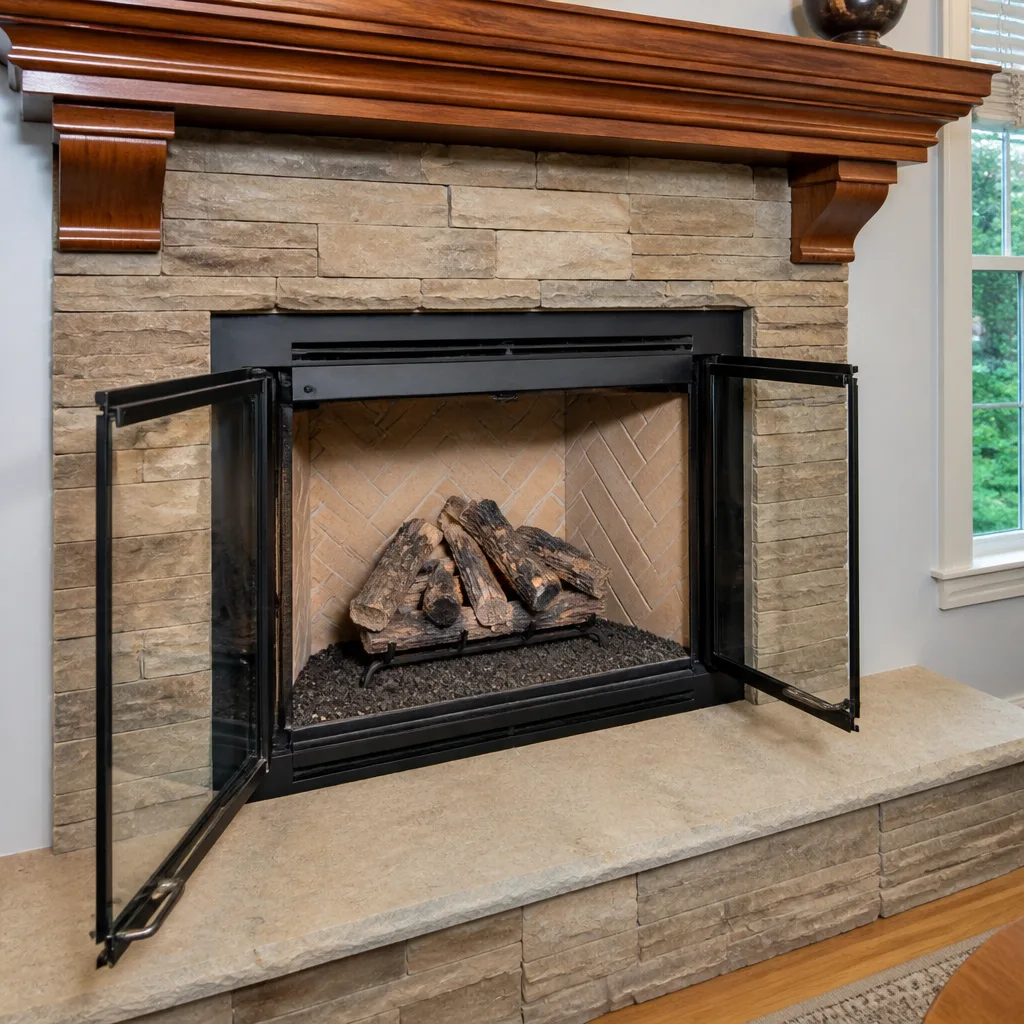 Gas fireplace service
Level 1 sweep and inspection to the NFPA 211 annual standard - flue, crown, cap, and flashing checked and photographed
Chimney sweep logs do not sweep chimneys. They loosen some creosote - which then falls where a brush and vacuum still have to collect it.
Seasonal Chimney Cleaning Care for Fort Wayne: Year-Round Homeowner’s Guide
Most people think a chimney only needs attention when it’s cold. In Fort Wayne, that belief is exactly what turns a simple sweep into a spring repair bill. The truth is that your flue, crown, and masonry are under stress in every season, not just winter. Summer humidity, fall temperature swings, and spring thaw each do their own kind of damage, and each season calls for a different kind of care. This guide breaks annual chimney maintenance into four separate seasonal jobs and shows you how to build a schedule around Fort Wayne’s actual weather, so nothing gets missed and no repair is ever a surprise.
Quick Answer
Chimney care in Fort Wayne is best handled as four seasonal tasks, not one yearly cleaning. Book a sweep and inspection in late September before heating season, monitor the flue through winter, get a post-season inspection in spring after the last fire, and use summer to check the cap, crown, and flashing while humidity is high. That rhythm matches what the weather is actually doing to your chimney system and catches problems before they become structural.
Styles & brands we work with
- Sweep & inspection
- Caps & crowns
- Flue relining
- Masonry repair
- Gas fireplace service
Table of Contents
- Why one annual cleaning isn’t enough in Fort Wayne
- Fall: the late September cleaning window
- Winter: safe mid-season monitoring habits
- Spring: post-heating-season inspection priorities
- Summer: humidity, odors, and cap-and-crown work
- How to build a four-season schedule around Fort Wayne’s frost dates
- What Fort Wayne’s climate does to masonry and metal
- Common mistakes to avoid
Why one annual cleaning isn’t enough in Fort Wayne
A single brush-out once a year is not the same as caring for a chimney. Fort Wayne’s four distinct seasons each stress a different part of the system, and the problems compound if you only look at the flue. Creosote is a fall and winter issue. Mortar softening from repeated freeze-and-thaw is a spring issue. Odor and animal intrusion are summer issues. Treating all of it as one yearly event means you’re always reacting late.
Chimneys are effectively outdoor structures bolted to your house. They take on water, dry out, crack, and settle. The chimney in a Fort Wayne home on a wooded lot in the Aboite area behaves differently from a chimney on an exposed lot near Foster Park, but they share the same annual cycle of moisture and freeze stress. The right question isn’t “did we sweep this year?” It’s “what is the weather doing to my chimney right now, and what does that call for?”
That reframing is the whole point of this guide. Once you start thinking in four seasons, the annual maintenance picture becomes much clearer, and costly surprises become rare. We inspect it, clean it, and fix what we find, and the timing of each step matters as much as the work itself.
What each season actually does
- Fall: the flue transitions from dormant to in use; last year’s creosote and any summer moisture get pulled into the first hot burn.
- Winter: heavy, frequent use builds creosote fast, and sudden cold snaps stress the masonry shell.
- Spring: repeated freeze-thaw cycles open hairline cracks that were invisible in the fall, and winter soot settles into the liner.
- Summer: high humidity pulls moisture into creosote deposits and drives foul odors down the flue into living spaces.
Fall: the late September cleaning window in Fort Wayne
Late September is the sweet spot for a Fort Wayne chimney cleaning. Chimneys are dormant, creosote from last winter has fully dried, and you get ahead of the pre-November rush when every homeowner suddenly remembers the fireplace. Book too early and you leave lingering summer deposits unchecked through the cooling weeks. Book too late and you’re competing for scheduling and starting the season with a dirty flue.
Fall is also when you want to catch liner damage before the first fire. If there’s a problem, you want a clear month to fix it, not a scramble. Liner integrity isn’t optional, it’s the difference between a working fireplace and a fire hazard, and no one wants to learn about a compromised flue on the first cold snap.
Our technicians have up to experience and treat the fall visit as the centerpiece of the annual cycle. A proper fall service runs in three phases.
- Inspection first. Camera inspection and a photo report come before any cleaning. You see what’s inside your flue, not just a summary.
- Sweep second. We brush the flue and smoke chamber based on what the inspection actually found, not a fixed routine.
- Documentation last. You receive a written record of what was found and what was cleaned so future visits have a baseline to compare against.
Late September cleaning also gives you a running start on that all-important first fire. If your inspection flags a firebox crack, a failing damper, or a liner that needs resurfacing, we can plan the repair and schedule it before heating season forces delays. For a fireplace that’s ready to go, you walk into October knowing exactly what you have. And when a repair is flagged, our chimney repair service is handled by the same crew that did the sweep and the inspection, so nothing gets handed off and nothing gets lost in translation.
Winter: safe mid-season monitoring habits
Winter is the one season you can’t just leave to the calendar. Use your fireplace thoughtfully, and know which warning signs mean stop using it immediately. You don’t need to inspect the flue yourself, but you do need to notice the things a trained eye would want to know about.
Heavy mid-season burning builds creosote fast, especially with unseasoned wood. Real, dry hardwood burns cleaner and creates less of the sticky, flammable deposit that leads to chimney fires. Store firewood off the ground and keep it dry before it ever touches the firebox.
Warning signs that mean stop using the fireplace
- Draft reverses suddenly: smoke rolls into the room instead of going up the flue.
- Your smoke and carbon monoxide detectors go off, or you smell gas while the fire is burning.
- There’s a strong, sharp smell of burning that isn’t normal wood smoke.
- You hear a low roaring sound or creosote flakes fall into the firebox.
- Visible damage to the firebox, damper, or chimney rear wall.
Any of those is a reason to shut the fire down, open a window, and get a professional out before you light another fire. Carbon monoxide has no smell and no warning of its own, which is why the alarm is the first line of defense. If you don’t have working CO detectors on every level, that’s a winter task worth handling before the fireplace gets heavy use.
We answer 24/7, and a mid-winter call about a flue concern is a call we take seriously. Fast dispatch, 7am-7pm, Sunday through Friday gets a technician out to evaluate the system before anything worse happens.
What to check between professional visits
- Listen to the fire: excessive crackling or a roaring sound means creosote is burning, not wood.
- Watch the smoke: it should clear up the flue, not fill the room.
- Note the smell: unfamiliar burning smells or chemical odors warrant a call.
- Keep the damper working: no sticking or grinding when you open or close it.
- Log your burn hours: more burn time means more creosote, and a heavier burn year warrants an earlier spring inspection.
Mid-season monitoring is a habit, not a project. Watch, listen, note anything unusual, and call for professional care when something feels off. That’s the whole winter playbook.
Spring: post-heating-season inspection priorities
Spring is inspection season, and for Fort Wayne homes that burned wood through a hard winter, it’s the most important inspection of the year. Now you see what the heating season actually did, before summer humidity and fall weather start compounding the damage. The chimney is quiet, the weather cooperates, and any repair found in spring has the whole summer to be completed before the next fire.
Freeze-thaw is the big spring concern. Fort Wayne gets enough hard freezes and warm daytime thaw to open hairline cracks in mortar and masonry that were invisible in fall. A spring inspection catches those early, when they’re still small. Left alone, those same cracks take on water through the summer and shear wider the following winter.
Spring inspection priorities
- Liner condition. Look for cracked or spalled ceramic tile, gaps in the flue, and any evidence of overheating from the winter season.
- Masonry and mortar. Hairline cracks that showed up over the winter freeze-thaw cycle get flagged and repaired before summer storms push water into them.
- Creosote depth. Heavy winter use means creosote build-up that should be swept before it glazes hard and becomes difficult to remove.
- Crown and cap. Winter ice and wind do a surprising amount of damage to the crown and cap, and the damage is much easier to fix in spring than in summer heat.
- Firebox and damper. A winter of heavy burning reveals wear that the fall inspection couldn’t predict.
A spring inspection also tells you what kind of repair you’re likely facing. Some chimneys need a sweep and nothing more. Some need resurfacing. A few need full relining. Getting that signal in spring means a summer of unhurried, methodical work instead of a fall scramble. Our ability to resurface with HeatShield means a ceramic flue can often be restored rather than fully relined, which extends the life of the liner while saving the cost of a complete reline. That’s a spring-caught repair a lot of homeowners never hear about.
Summer: humidity, odors, and cap-and-crown work
Summer is the worst season for chimney odors in Fort Wayne, and it has nothing to do with how clean the flue is. High summer humidity drives moisture into creosote deposits on the flue walls, and that damp creosote gives off a sour, smoky smell that pushes down through the flue and into living spaces. The smell is often misdiagnosed as a mold issue, a ductwork problem, or a dead animal, when the actual source is the deposits sitting in the chimney.
The fix isn’t more cleaning. The fix is addressing the source with a proper sweep, then improving airflow so the flue can breathe. That’s why summer is the season to get a thorough sweep if it wasn’t handled in spring, and it’s also the moment to check the cap and crown before another heating season.
Why cap and crown maintenance is a summer job
- The weather is dry, which means sealants and repair materials cure properly instead of being chased by rain.
- Masonry repair is easier to schedule in summer than in the fall rush.
- Cap and crown issues get caught before fall storms and freeze damage compound them.
- Animal intrusion is a summer problem: birds, squirrels, and raccoons look for warm, dry flues to nest in, and a properly fitted cap keeps them out.
We work with DuraFlex and Olympia Chimney on the liner and cap side, and that matters in summer because the damaged cap or corroded flue often isn’t the only issue. When you catch it in June, the repair plan is straightforward. When you catch it in October, the repair window is short and the stakes are higher.
Animal intrusion check
If you hear scratching, chittering, or flapping from the chimney in summer, something is living in it. Don’t try to smoke it out and don’t block the flue with a board. Call for a professional inspection. An animal and its nesting material in a flue is a fire risk, and a properly fitted cap is the long-term fix.
How to build a four-season schedule around Fort Wayne’s frost dates
Fort Wayne’s first frost typically lands in October and the last frost in late April, and you can build a real chimney calendar around those two markers. Work backward and forward from them and you have a schedule that matches the actual weather.
- Mid to late September: schedule the fall sweep and inspection. Aim to be done before the first frost, not after.
- October to mid-November: handle any repair flagged in fall before heavy heating season.
- December to February: monitor the fire season; watch for the warning signs above; call if anything is off.
- Late March to April: book the post-season inspection, ideally after the last hard freeze and before the last frost.
- May to June: complete any spring-flagged repair, including crown, cap, and resurfacing work.
- July to August: if summer odor is a problem, address it with a sweep and an airflow check.
- Early September: confirm the fall sweep is on the calendar so nothing crowds it out.
That’s the whole year, all four seasons, in seven steps. If you can only commit to two of them, make it the late-September sweep and the late-March inspection. Those two anchor the year and give you the earliest warning on anything that needs attention.
What Fort Wayne’s climate does to masonry and metal
Fort Wayne’s climate is the reason this guide exists. Our winters freeze hard, thaw above freezing fairly often, and repeat the cycle dozens of times in a season. Every freeze-thaw cycle pulls moisture out of masonry and mortar, then pushes it back in. Over a few years, that opens hairline cracks, softens mortar joints, and stresses the crown. That’s not a Fort Wayne-specific disease. It’s just what happens in a place where the ground actually freezes and actually thaws in the same month.
Summer humidity is the other half of the picture. Fort Wayne summers are humid enough to hold moisture in creosote deposits and keep masonry from drying out fully. That combination – wet masonry in summer followed by freeze-thaw in winter – is the stress cycle that ages a chimney. Homes with mature trees close to the structure, common in the older parts of town, add another variable: shade keeps masonry damp longer, and heavier leaf litter on the crown encourages moss growth and cracks.
The practical takeaway: Fort Wayne chimneys need to be checked at both ends of the heating season, and the work needs to match the season. A fall sweep alone doesn’t catch the freeze-thaw damage that opens in spring. A spring inspection alone doesn’t catch the creosote that builds after a hard winter. Both matter, and the schedule above is built around that fact.
Common Mistakes to Avoid
- Sweeping only in November. By the time heating season demand spikes, chimney sweeps are booked out, and a problem flagged in November may not get repaired before the first fire.
- Assuming a clean flue means a safe flue. Cleaning doesn’t check masonry, mortar, crown, cap, or liner integrity. The sweep and the inspection are two separate jobs, and you need both.
- Burning unseasoned or green wood. It deposits more creosote, which compounds through the winter and becomes a summer odor problem as humidity pulls moisture into it.
- Blocking the flue in summer to keep animals out. A board over the flue traps humidity and nesting material. A proper cap is the correct fix.
- Ignoring a spring smell and calling it mold. The sour smell that starts when humidity climbs in Fort Wayne is usually creosote in the flue, not mold, and it won’t go away with a bathroom fan.
- Skipping the spring inspection after a hard winter. Winter use and freeze-thaw are the two biggest drivers of masonry damage, and spring is when you catch them early.
- Treating a repair as a reason to call a general contractor. Chimney work is specialty work. A sweep who can’t do the repair is only half the job, and it’s the repair that keeps the system safe.
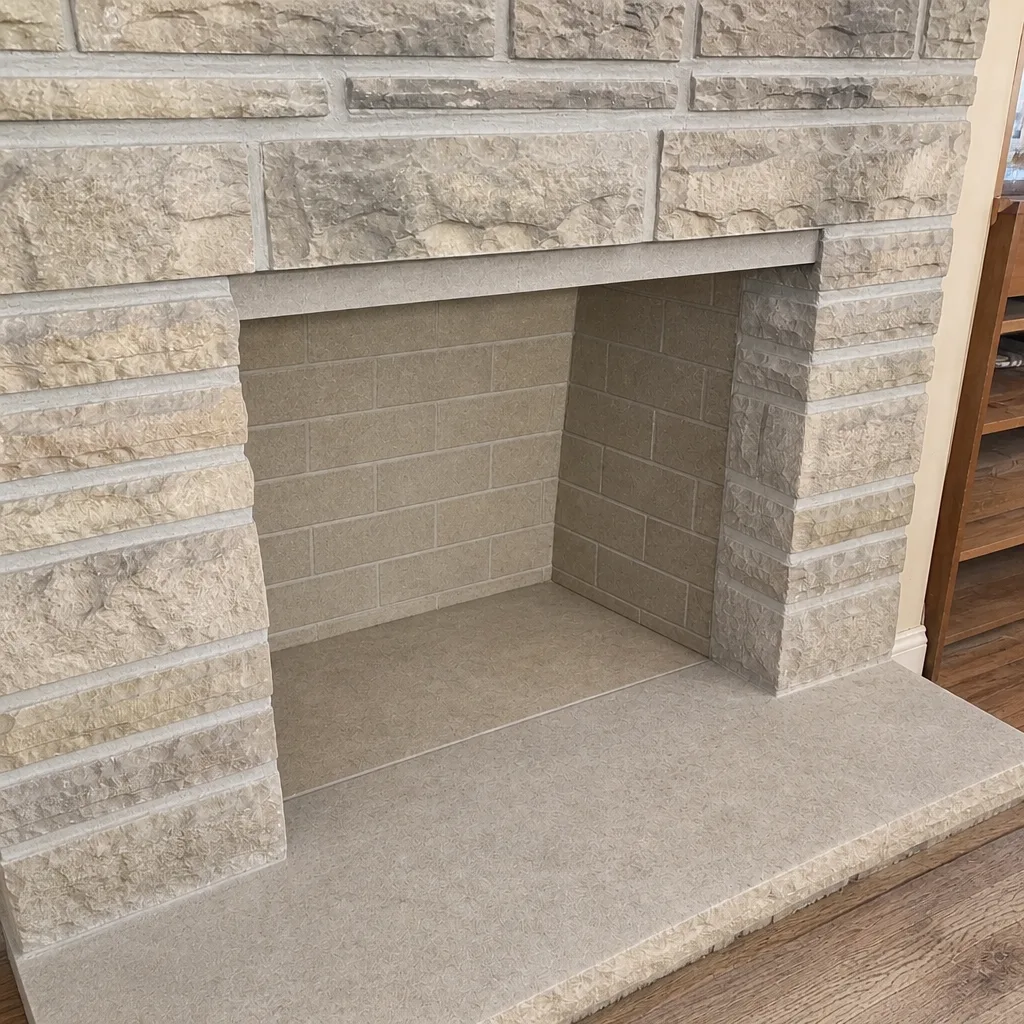
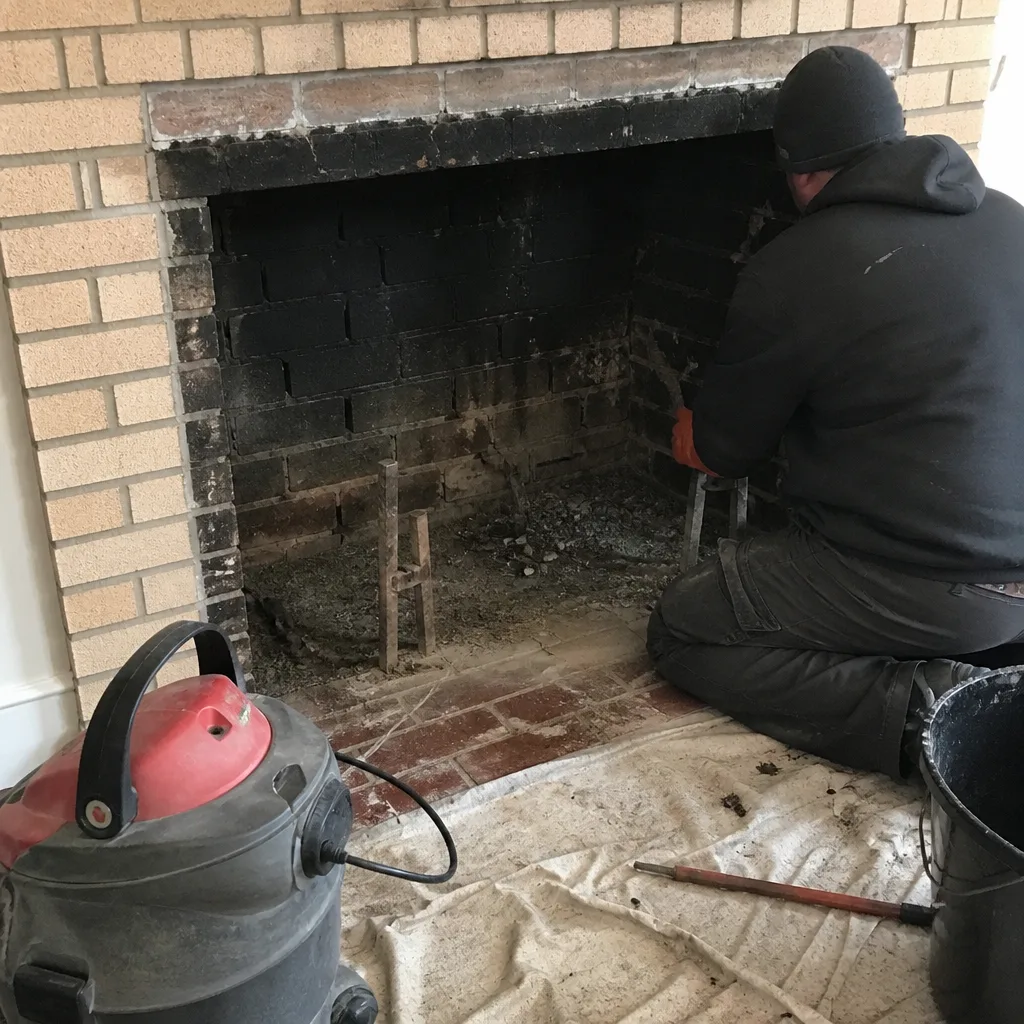
See the difference
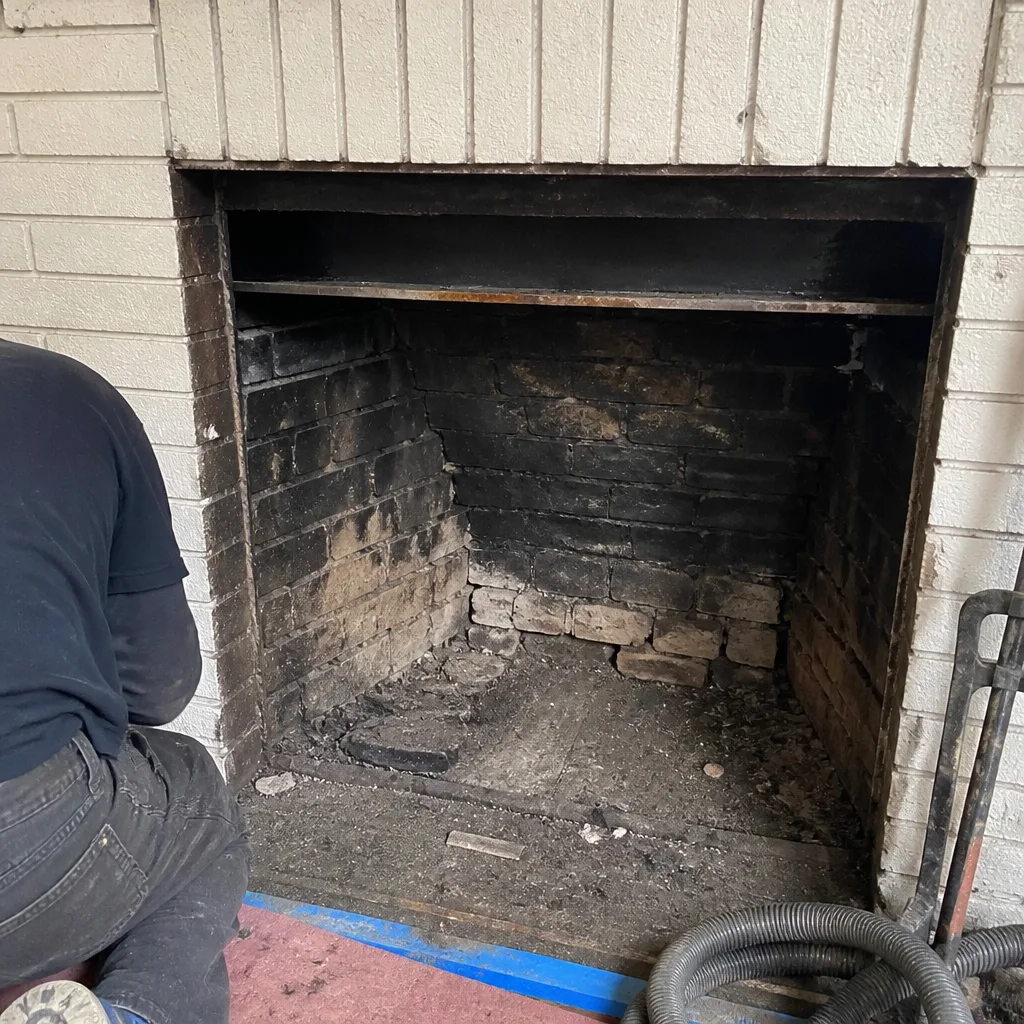 Before
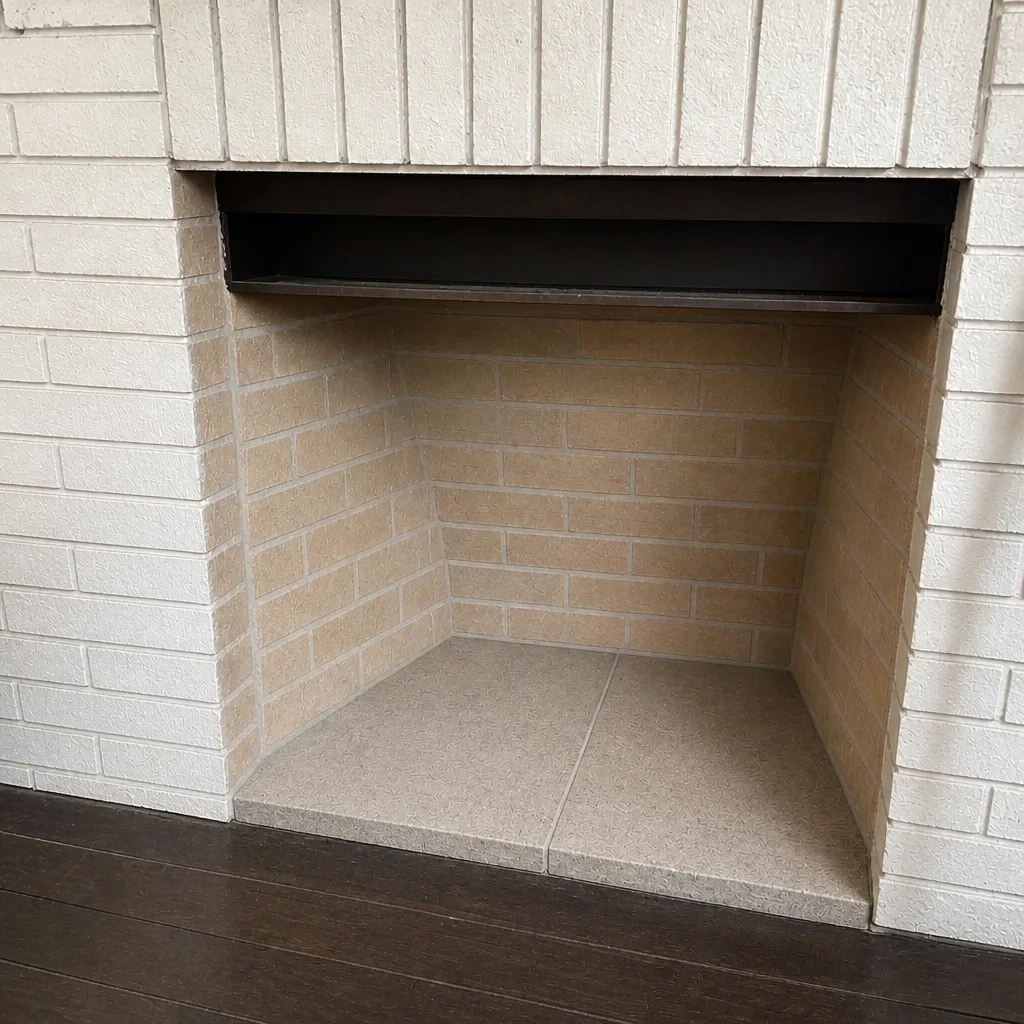 After
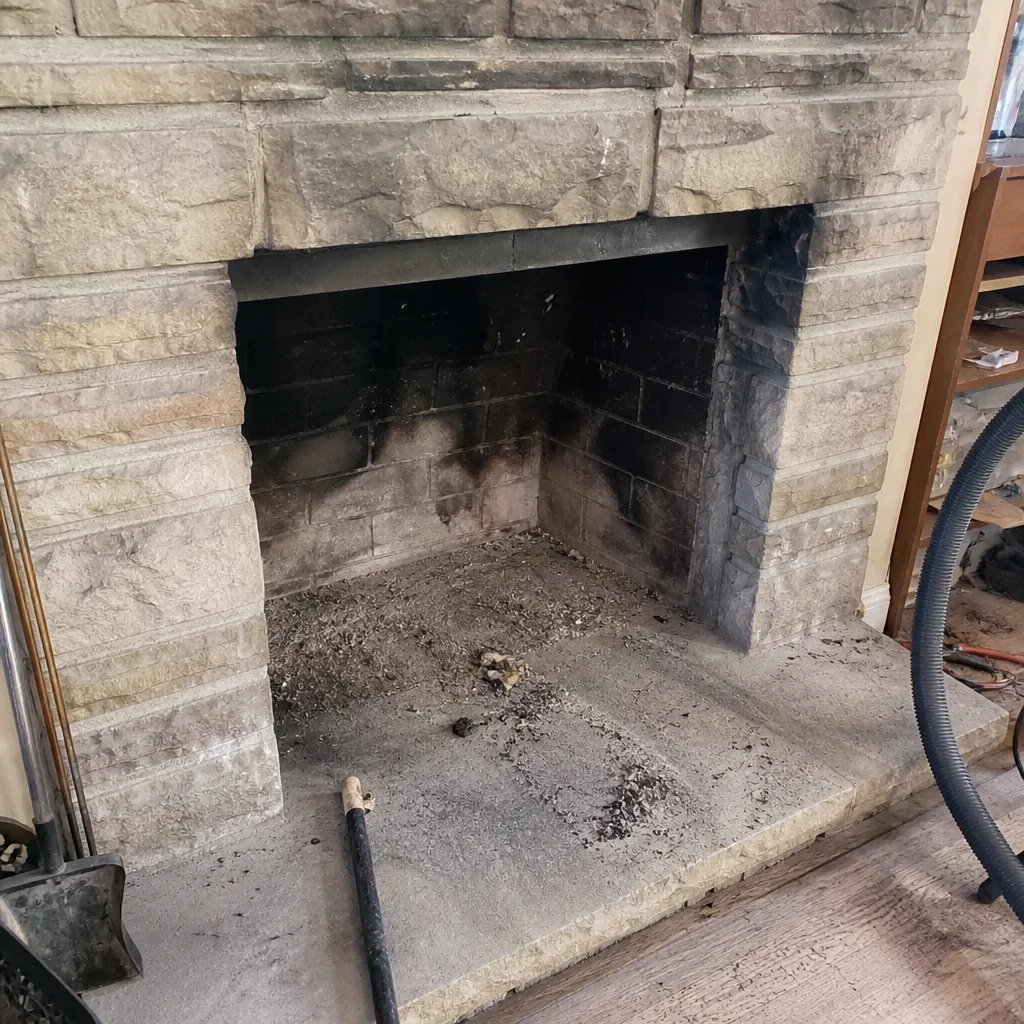 Before
 After
 Before
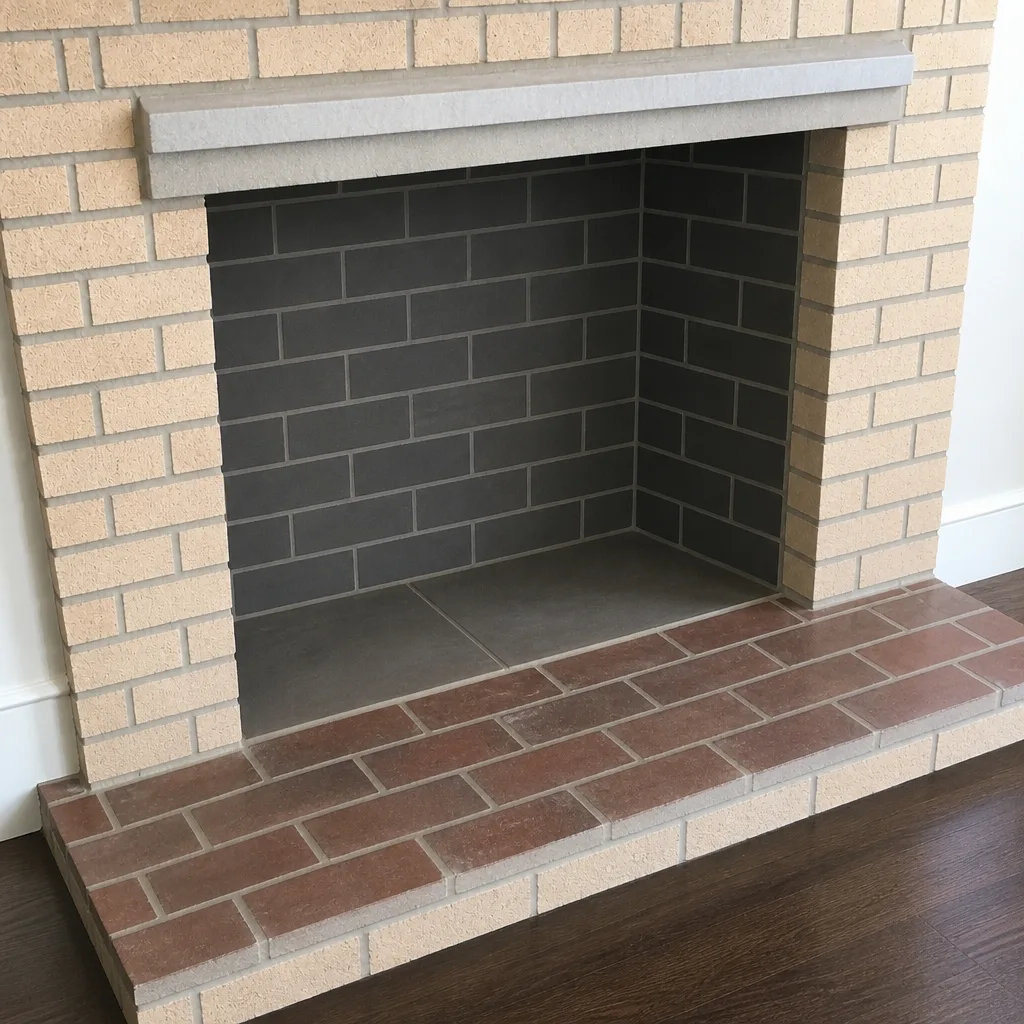 After
When to Call a Professional
Call a professional for a fall sweep-and-inspection if it wasn’t booked by late September. Call after any fire season that included a chimney fire, a low roaring sound, falling creosote flakes, or a smell you couldn’t explain. Call for a spring inspection if the winter was heavy on the fireplace. Call for a summer service if you’re getting a persistent sour smell from the flue, hearing scratching, or seeing animals around the top of the chimney. And call whenever you’re not sure: the cost of an inspection is small compared to the cost of missing structural damage. Fort Wayne Chimney Sweep offers free estimates in Fort Wayne. Call (866) 589-6152, and we’ll look at the system, show you what we find, and give you a written estimate before any work begins. For a full overview of what we do, see our Fort Wayne Chimney Sweep home page, or explore our Fort Wayne service area.
Frequently Asked Questions
Once a year for most homes, tied to the late-September window, but homes that burn wood heavily through a hard winter often benefit from a spring sweep as well. If you’re burning several cords a season, plan on an annual inspection plus an inspection any time you notice the warning signs in this guide. When in doubt, an inspection tells you whether a sweep is actually needed.
Creosote keeps building, and the risk of a chimney fire climbs. More important, spring freeze-thaw damage that goes unaddressed gets a full summer of water into the cracks, and the repair grows. A skipped year isn’t a disaster in every case, but it’s a risk you don’t get to measure from the outside, because liner and masonry condition aren’t visible from the house. That’s why an inspection is worth it even when you think nothing is wrong.
Humidity drives moisture into creosote deposits on the flue walls, and the damp deposits push a sour smell down into the living space. It gets misdiagnosed as mold or ductwork, but the source is the flue. A proper sweep, plus a check of the cap and airflow, usually clears it up. It’s the most common summer chimney call in Fort Wayne, and it rarely has anything to do with how recently the flue was cleaned.
You can, but the parts that matter most – the inspection, the liner check, the mortar and crown evaluation – aren’t something a homeowner can safely do from the firebox with a brush. The cleaning is the easy part; the diagnosis is the expert part. For a system that’s had a hard winter or hasn’t been looked at in years, that diagnosis is exactly what you’re paying for.
Spring and summer, once the heating season ends. The masonry and flue are easiest to work on in dry weather, and materials cure properly. Booking repairs in spring gives you a full summer to complete the work before the next heating season. A repair flagged in late fall is much harder to schedule and riskier to leave half finished.
For any real diagnosis, yes. A camera lets the technician see inside the flue and chimney without pulling the liner, and it lets you see what they found, which is the whole point. Nothing is recommended without camera evidence you can see for yourself. If an inspector can’t show you the inside of the flue, ask why.
The Bottom Line
Fort Wayne chimneys face four distinct seasons of stress, and matching the work to the season is what keeps the system safe, functional, and repair-schedule friendly. Book the sweep in late September, monitor through winter, inspect in spring, and use summer for the humidity and cap-and-crown work. That schedule matters more than any single task, because it catches problems early in the season when they’re still cheap and easy to fix. Whether you’re in Aboite, near Foster Park, or out on a wooded lot in the county, the timing is the same. We inspect, we clean, and we fix what we find, and the schedule above is built to get the most out of every visit. When you’re ready to put your chimney on a season-by-season calendar, call (866) 589-6152. We answer 24/7. Fast dispatch from 7am to 7pm, Sunday through Friday. The estimate is free, and the written estimate sets the final price.
Written by the team at Fort Wayne Chimney Sweep.