
Last updated November 15, 2026
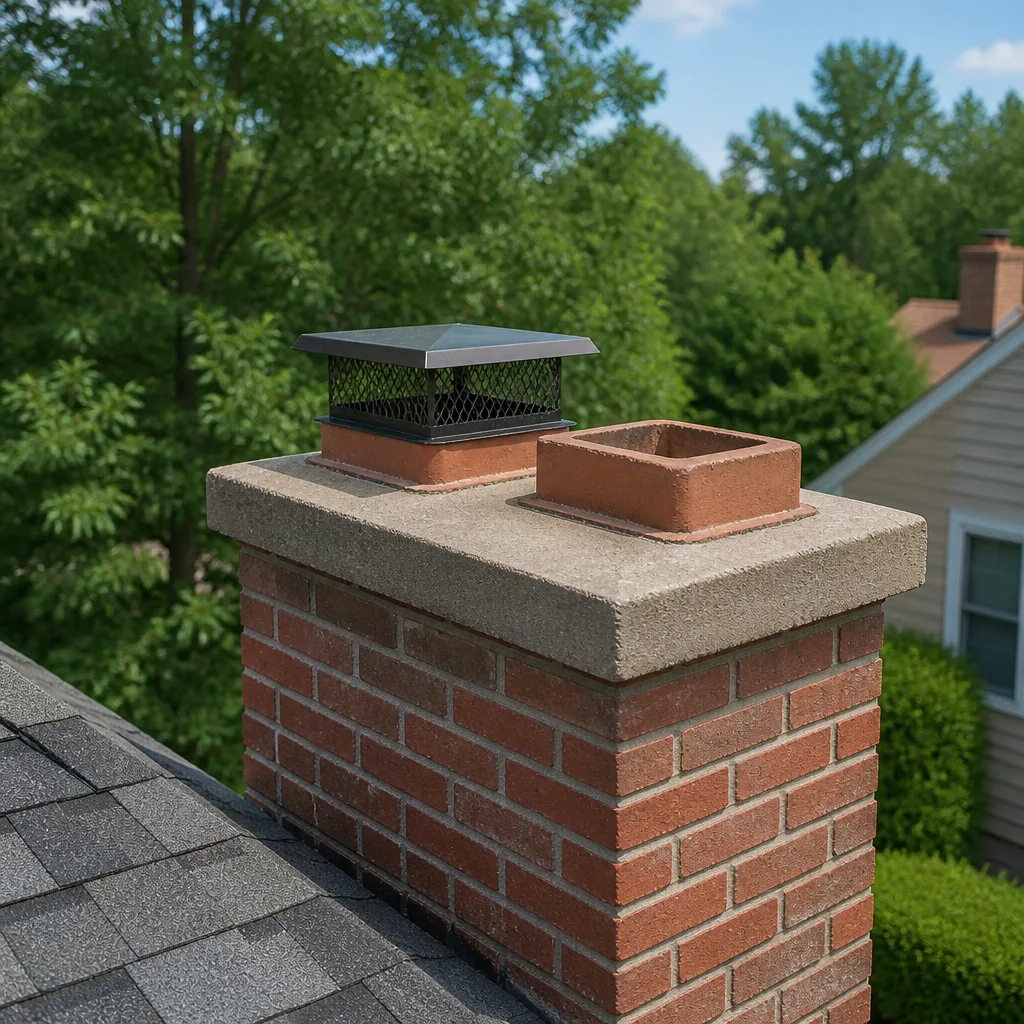 Sweep & inspection
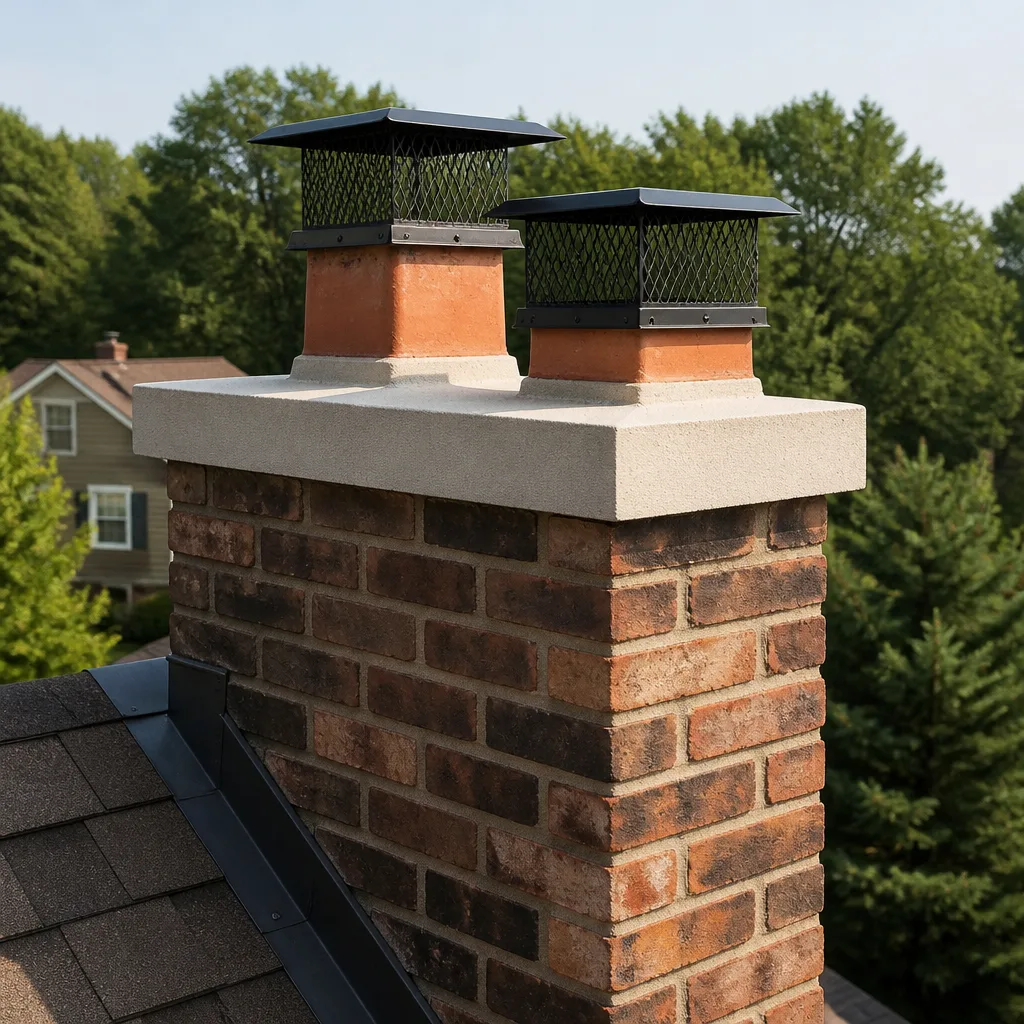 Caps & crowns
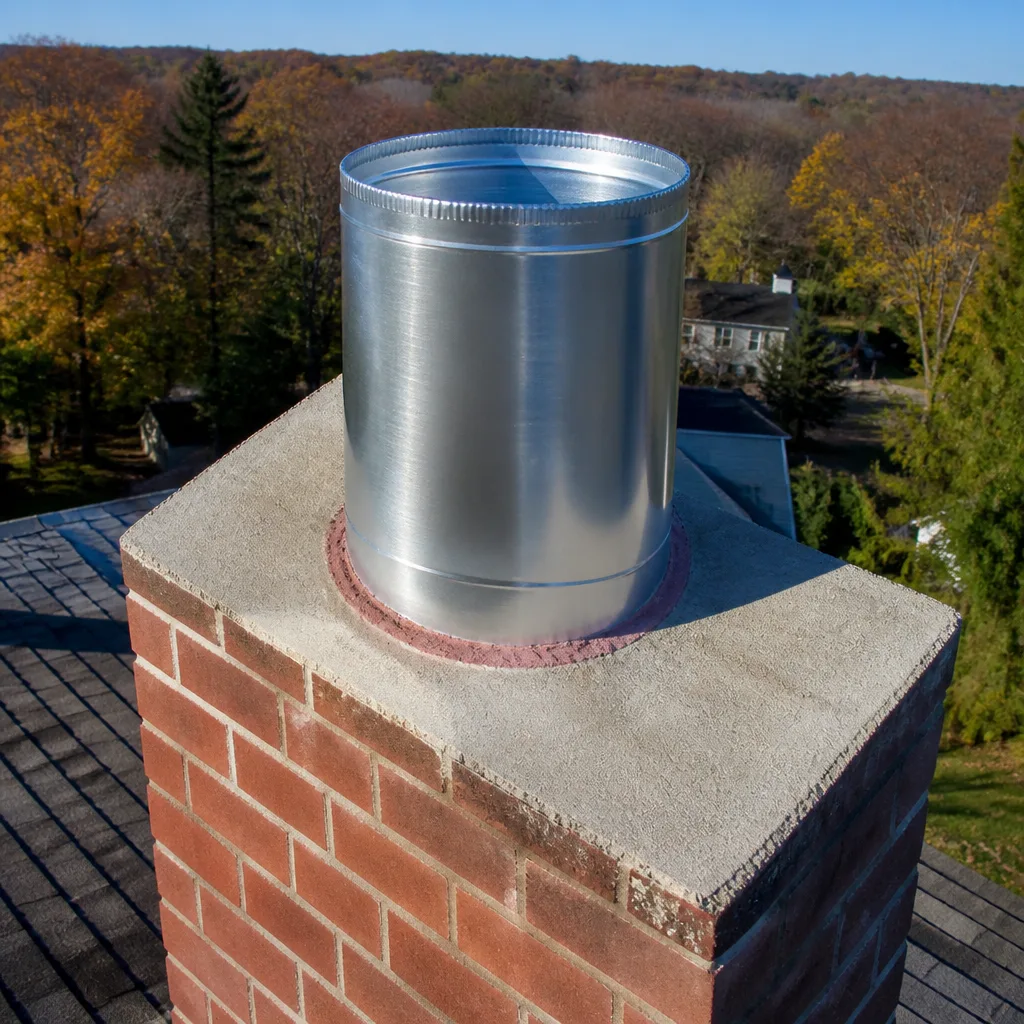 Flue relining
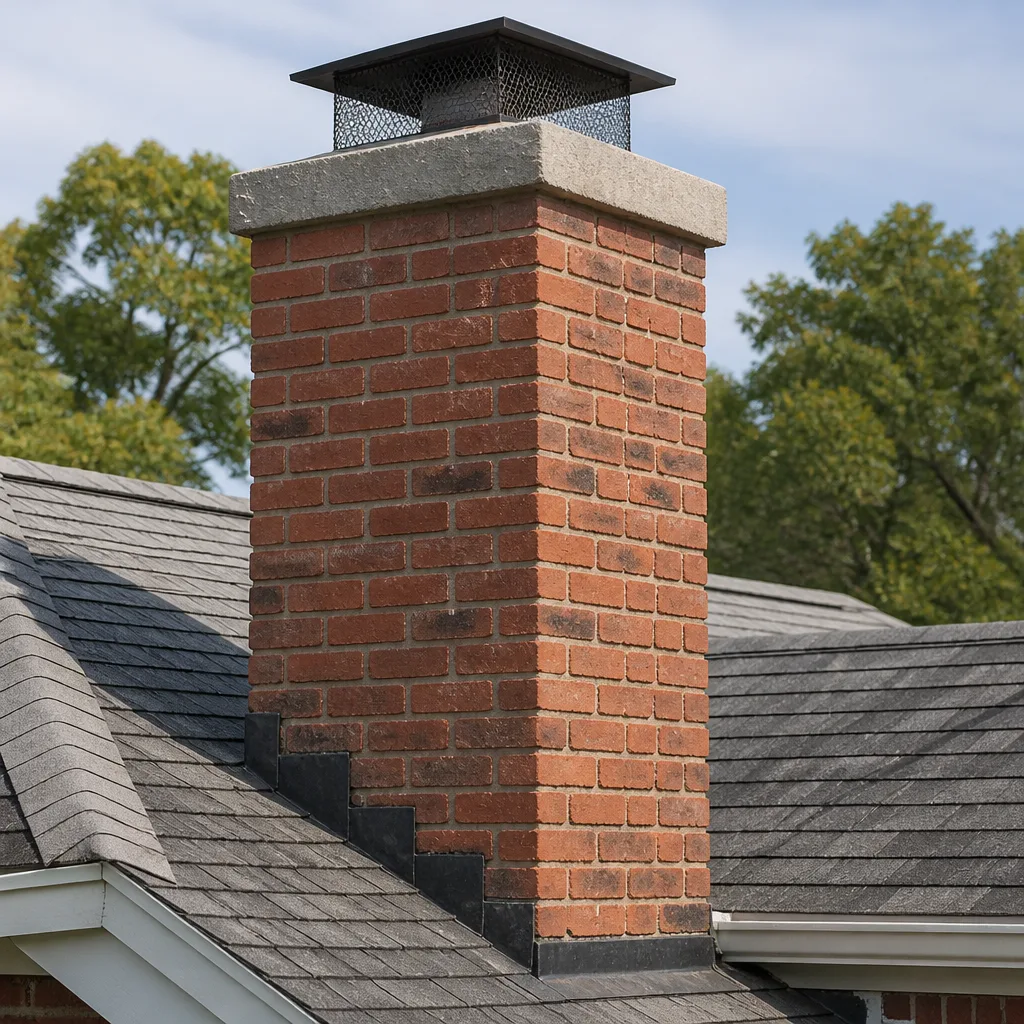 Masonry repair
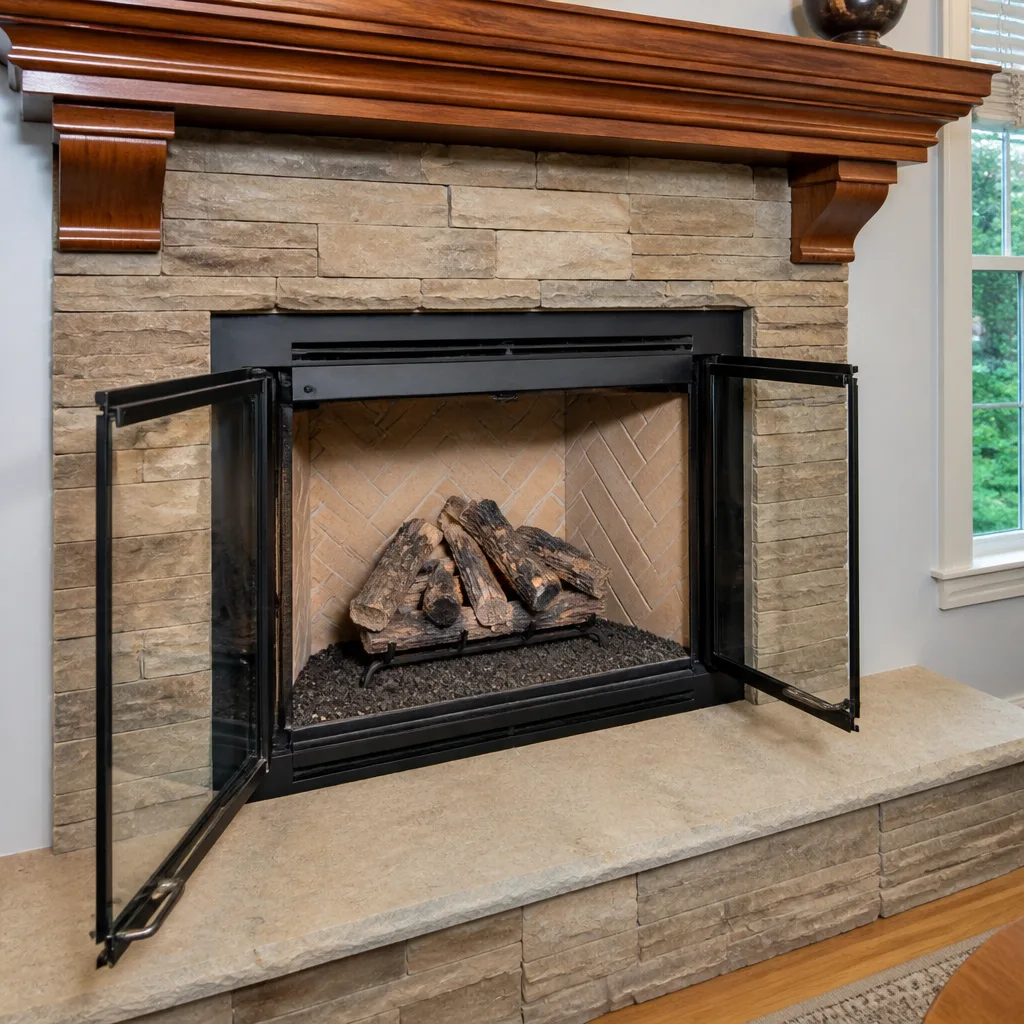 Gas fireplace service
Level 1 sweep and inspection to the NFPA 211 annual standard - flue, crown, cap, and flashing checked and photographed
Chimney sweep logs do not sweep chimneys. They loosen some creosote - which then falls where a brush and vacuum still have to collect it.
Chimney Cleaning Permits, Codes & Inspections in Fort Wayne, IN: What You Need to Know
The most expensive chimney problem usually isn’t the masonry. It’s the paperwork. A relining job done without the required building permit in Fort Wayne isn’t only a code violation on paper; when a fire claim comes through, the insurer pulls the permit record, and what they find there shapes whether the claim gets paid. Most homeowners never think to ask a contractor about permits until a sale or a claim forces the question. This guide walks through exactly where routine maintenance ends and regulated work begins, which chimney jobs in Fort Wayne require a permit and which don’t, how inspection findings trigger repair obligations, and how permit history shows up during a home sale. By the end, you’ll know what to ask before anyone touches your flue.
Quick Answer
Routine chimney sweeping in Fort Wayne generally does not require a building permit. Anything beyond cleaning – relining, masonry rebuilding, firebox repair, or installing a new appliance – typically does require one under local building ordinances, and the work must meet Indiana Residential Code and NFPA 211 standards. Ask for the permit record and the inspection findings in writing before you approve repair work, and verify that any contractor guarantees a Level 2 inspection before quoting a liner.
Styles & brands we work with
- Sweep & inspection
- Caps & crowns
- Flue relining
- Masonry repair
- Gas fireplace service
Table of Contents
- What Codes Actually Govern a Chimney in Fort Wayne?
- Which Chimney Jobs Need a Permit in Fort Wayne?
- How a Level 2 Inspection Triggers Mandatory Repair
- What the Re-Inspection Process Looks Like
- What “Code Compliant” Means on an Invoice
- How Permit Records Affect a Home Sale in Fort Wayne
- How to Verify a Contractor’s Claims
- Common Mistakes to Avoid
- When to Call a Professional
What Codes Actually Govern a Chimney in Fort Wayne?
Three layers of rules apply to a chimney in Fort Wayne, and understanding how they stack is the first step toward knowing whether a job needs a permit. The first layer is NFPA 211, the national standard for chimneys, fireplaces, vents, and solid fuel appliances. It defines inspection levels, clearances, and the condition a flue must be in to be considered safe. The second layer is the Indiana Residential Code, which adopts the International Residential Code in modified form and converts many of NFPA 211’s recommendations into legally enforceable requirements for homes. The third layer is Fort Wayne’s own building ordinance, administered through the city’s building department, which governs who can pull a permit, when one is required, and what inspections must happen before a job is signed off.
Where homeowners get confused is the overlap. NFPA 211 tells you what a safe chimney looks like. The Indiana Residential Code tells you which parts of that standard are required by law in a new or altered installation. Fort Wayne’s ordinance tells you the procedural steps – the permit application, the inspection sequence, the sign-off – that have to happen along the way. A contractor who only knows one layer is working with an incomplete map.
The practical breakdown
- NFPA 211 sets inspection levels (Level 1, 2, and 3) and the technical condition standards for flues, liners, and clearances.
- Indiana Residential Code makes the core provisions legally binding for residential construction and alteration in the state.
- Fort Wayne building ordinance determines when a permit is required, who is authorized to pull it, and which inspections close it out.
In our experience, most maintenance work never touches the third layer. It’s the moment work crosses from cleaning to alteration that all three layers become relevant – and that’s also the moment homeowners discover that a sweep-only contractor can’t help them with the paperwork. That’s one of the reasons we handle inspection, cleaning, and repair as Fort Wayne Chimney Sweep – so the homeowner doesn’t have to re-explain the situation to a second contractor halfway through.
Why Fort Wayne’s climate matters here
Fort Wayne winters are hard on masonry. Repeated freeze-thaw cycles work moisture into mortar joints and hairline cracks, then expand it, and the damage compounds year after year. By the time a homeowner notices a problem, the flue lining may already be compromised. That’s why the code questions on this page matter more than they would in a milder climate – the seasonal wear here pushes more chimneys into “alteration” territory than homeowners expect, which pushes more of them into permit territory. A chimney that held up fine for a decade in a warmer place may need liner attention sooner in Fort Wayne. That’s the local reality the code is built to catch.
What “residential” means for your chimney
Nearly all work on a single-family home in Fort Wayne falls under the Indiana Residential Code’s provisions for one- and two-family dwellings. If your home has a wood-burning fireplace, a gas insert, or an older masonry chimney, the residential provisions govern. Commercial and multi-family work follows a different track, but for the typical Fort Wayne homeowner, the residential framework is the relevant one.
Which Chimney Jobs Need a Permit in Fort Wayne?
Routine cleaning and inspection do not require a permit in Fort Wayne. The dividing line is alteration: any work that changes the structure or function of the chimney system – relining, masonry repair, firebox rebuilding, installing a new appliance, or altering the venting – generally requires a building permit through the city’s building department. The best single rule of thumb: if the work will require a physical inspection by a city inspector, it needs a permit.
Maintenance-exempt work
- Routine sweeping of a wood-burning fireplace or flue
- Level 1, Level 2, and Level 3 chimney inspections
- Removal of soot, creosote, and debris
- Minor cap or screen replacement where no alteration is involved
- Cleaning of stove pipe or appliance vents
None of these touch the chimney’s structure or its venting capacity. They’re maintenance activities, and they sit outside the permit sequence.
Work that typically requires a permit
- Relining a flue. Installing a new liner – stainless or otherwise – changes the chimney’s venting system and generally requires a permit. Any liner installation done without one is a red flag on the record.
- Masonry rebuilds and crown replacement. Structural masonry repairs that affect the chimney’s integrity usually fall under permit jurisdiction.
- Firebox and hearth work. Rebuilding a firebox or altering the hearth changes clearances and requires inspection.
- Appliance installation. Installing a new wood stove, insert, or gas appliance with its own venting changes the system and typically requires a permit.
- Chimney removal or shortening. Changing the chimney’s height or removing it entirely requires a permit and structural review.
Every jurisdiction draws its own line, and Fort Wayne is no exception. The specific classification of any single job should be confirmed with the Fort Wayne building department before work starts. A contractor who can’t tell you which side of the line your job falls on isn’t ready to quote it.
Why we confirm the classification before quoting
When we quote a chimney repair that will require a permit, we say so up front. It’s a procedural fact, not a scare tactic, and it changes the timeline and the paperwork. We’ve seen too many homeowners discover the permit requirement after the work was done, when the contractor’s claim that “no permit was needed” turns into a gap in the record that has to be resolved later. Confirming the classification early is simply cheaper for everyone.
How a Level 2 Inspection Triggers Mandatory Repair
NFPA 211 defines three inspection levels. A Level 1 inspection is the visual check that accompanies a routine sweep. A Level 2 inspection adds a video camera inspection of the flue interior and a closer look at accessible portions of the chimney, and it is required whenever a property changes hands, when an appliance changes, and when a Level 1 inspection reveals a concern the eye can’t resolve. A Level 3 inspection goes further, opening walls or removing parts of the chimney, and it’s used only when the concern can’t be resolved another way. The Level 2 is where most repair decisions are made, because it’s the level that produces actual evidence rather than an opinion.
Here’s the part homeowners miss: a Level 2 inspection is not optional once a concern has been flagged, and its findings create obligations. If the camera finds a cracked clay liner, a missing flue tile joint, an offset that’s collecting creosote, or a gap between the liner and the surrounding masonry, the code framework expects the issue to be corrected before the appliance is used again. The inspection report is the documentation that triggers the repair – and, in a home sale, it’s the document a buyer’s agent will read.
What the camera actually reveals
A chimney sweep with a camera sees what a visual inspection cannot:
- Cracks and gaps in clay flue tiles that let combustion gases escape into the chimney’s interior cavity
- Creosote accumulated in offsets or behind damaged tiles
- Signs of a previous liner that has failed or was improperly installed
- Missing mortar joints between flue tiles
- Evidence of moisture intrusion at tile seams
Each of these is a genuine code concern, and each one has a specific code-appropriate repair. A hairline crack in a tile at the top of a flue may be repairable with a resurfacing method like HeatShield, which restores the ceramic flue surface without pulling the liner out. A separated liner with missing sections may require a full relining with a system like DuraFlex. The inspection tells you which situation you’re in. Without it, you’re guessing.
What “mandatory” means in practice
Code doesn’t have a police force. No inspector walks through the door the moment a crack appears. What “mandatory” means is that if a fire occurs and the cause traces to a condition a Level 2 inspection would have found, the insurer’s investigation will likely uncover the missed inspection and the unperformed repair. That’s the real consequence, and it’s why the paperwork matters. A homeowner who skips the inspection isn’t escaping the requirement; they’re shifting the risk onto themselves.
What the Re-Inspection Process Looks Like
When a permitted chimney repair finishes, the work isn’t complete until it passes the final inspection. The process in Fort Wayne follows a predictable sequence, and understanding it helps you track your own project.
- The permit is pulled before work begins. The permit record documents the scope and the contractor responsible. Homeowners can pull permits for their own work in some cases, but most chimney repairs are done under a contractor’s permit.
- Rough-in inspection. For relining or structural work, a city inspector checks the installation before the system is closed up – verifying liner dimensions, clearances, and connections.
- Final inspection. Once the installation is complete, an inspector verifies the finished work meets code. This is the sign-off that closes the permit.
- Re-inspection if repairs fail. If the inspection reveals a defect – an improper clearance, an unacceptable liner joint, a missing component – the contractor corrects it and schedules a re-inspection. Time and cost for the re-inspection fall on the contractor who performed the work.
- Close-out documentation. The permit is officially closed, and the record is updated. That closure becomes a documentable fact in the property’s history.
What we handle internally, so the homeowner doesn’t have to: coordinating the inspection sequence, documenting the condition findings from the Level 2 report, and matching the repair to the code category. Because we offer inspection, cleaning, and repair under one roof, the re-inspection handoff doesn’t involve a second contractor re-reading the file. The same team that found the issue documents the fix. That matters most on relining work, where the rough-in and final inspections bracket the whole project.
What to ask your contractor before they pull the permit
Before a permit is pulled, ask three questions. Who pulls the permit? Who coordinates the inspections? And what’s the plan if the first inspection fails? A contractor who can answer all three clearly is set up to do this correctly. A contractor who says “we don’t usually bother with a permit for that” is telling you something important.
What “Code Compliant” Means on an Invoice
“Code compliant” on an invoice should mean something specific: the work was performed to the standard the applicable code requires, an inspection confirmed it, and a permit record documents the fact. What it should not mean is “the contractor says it’s fine.” The difference is verification, and verification is what turns a phrase into a fact.
What a genuine code-compliant claim includes
- The specific code provision or standard the work was performed to. For a liner, that’s a reference to the applicable NFPA 211 section and the Indiana Residential Code provision. For clearances, it’s the specific distance requirement.
- The inspection date and method. A Level 2 inspection with camera footage is different from a visual glance. The invoice should say which method was used.
- The permit number, if a permit was required. Empty permit field on a relining invoice means something was missed, and the record will show it.
- The inspection sign-off date. The final inspection date is the point the code compliance became official.
We put these details on our invoices for the simple reason that they’re the only way the customer can verify what we’re claiming. A contractor can say anything on a piece of paper; the permit record is what an insurer and a buyer’s agent will actually read.
How to spot marketing language dressed up as code language
Marketing language uses the vocabulary of code compliance without the substance. Phrases to watch for on an invoice: “meets code” with no reference, “certified to code standards” with no certification body named, “fully code compliant” with no permit number, “inspected and approved” with no inspector sign-off. Genuine code language names the standard, names the inspection, and provides a permit trail. If you can’t verify the claim in five minutes on the city’s permit lookup, it’s marketing.
Where our materials fit in
Code compliance starts with using products rated for the application. The product lines we carry – DuraFlex for stainless liner systems, HeatShield for ceramic flue resurfacing, Gelco and Olympia Chimney for related components – are all rated and listed for their intended purpose. Using a rated product doesn’t automatically mean the installation is code compliant, but an unrated product almost never achieves compliance. The permit and inspection sequence is what verifies the installation, regardless of which product went in.
How Permit Records Affect a Home Sale in Fort Wayne
When you sell a home in Fort Wayne with a fireplace or wood-burning appliance, two documents become relevant: the chimney inspection report and the permit history for any work done. Buyers’ agents are trained to check both, and either one can derail a closing or trigger a renegotiation. The permit record is often the one homeowners haven’t considered, because it’s the one that isn’t in their own file.
What buyers’ agents look for
- Open permits. An open permit – work started but never inspected or signed off – is one of the first items flagged in a title search in Fort Wayne. Any open permit has to be closed before title transfers cleanly.
- Unpermitted work. A relining or firebox rebuild performed without a permit leaves no record. The buyer’s agent sees an absence, not a completion, and that’s a negotiating point.
- Level 2 inspection reports. When a home with a fireplace changes hands, a Level 2 inspection is the standard the buyer’s agent will refer to. A prior report showing a repaired, code-compliant system supports the sale; a report showing unresolved issues tends to delay it.
- Insurance documentation. Some insurers underwrite fire coverage on fireplace-equipped homes with a more thorough review, and an unpermitted repair can complicate that review.
What to do before you list
Pull the permit history for your address from the city’s building department before the home goes on the market. If any chimney work was done without a permit, get it documented now – a retroactive permit, a fresh inspection report, and the resulting sign-off will close the gap. If a Level 2 inspection was never performed, schedule one before the buyer’s inspector finds something the record can’t explain. A clean permit history is the cheapest and quietest thing on the closing checklist, and it’s the one most homeowners forget.
What “special assessment” and “permit history” don’t have in common
Homeowners sometimes assume the permit record is invisible, because nothing happened the day the work was done. In a sale, that assumption breaks. The buyer’s title search surfaces permit history, and the buyer’s inspector surfaces condition. Fort Wayne buyers and their agents are experienced with older housing stock where chimney work has been done more than once, and they ask questions. Having the documents ready is significantly simpler than answering those questions after a contract is signed.
How to Verify a Contractor’s Claims
The licensed, insured, code-compliant framing is standard in contractor marketing. Verifying it takes about ten minutes and saves a lot of grief. Here’s the sequence.
- Check the permit authority. Fort Wayne’s building department can confirm whether a given contractor has pulled permits for comparable work. If no permits have ever been pulled, the claim of code compliance is difficult to support.
- Ask for the specific code standard. A contractor should be able to name the code and standard the work will be performed to – not a vague “meets code,” but the specific provisions.
- Ask for a Level 2 inspection with documentation. Any liner recommendation should follow a Level 2 inspection with camera evidence. If a “needs a liner” verdict arrives without camera footage, that’s a recommendation without evidence.
- Ask who performs the inspection. If the inspection is performed by a city inspector, the permit is the proof. If it’s a Level 2 chimney inspection, the report and footage are the proof. Either way, ask to see the document.
- Ask about the material brands and their rated applications. A specialist should be able to tell you which product line is rated for your specific situation – not a single product for every chimney.
- Confirm what happens if the inspection fails. Ask whether re-inspection time and cost fall on them or on you. The answer tells you how confident they are.
We carry DuraFlex, HeatShield, Gelco, and Olympia Chimney because no two fort wayne chimneys need the same fix. A single-product contractor has a single answer. That’s not a value judgment about them, but it tells you something about what’s likely to be recommended on your job.
Common Mistakes to Avoid
- Accepting “we don’t bother with permits for that” without checking. The contractor may be right, but “trust me” isn’t documentation. Confirm the classification with the city building department before work starts – it takes a phone call.
- Skipping the Level 2 inspection before a liner quote. A liner recommendation made without camera evidence is a guess. Insist on the inspection and the footage. If a contractor can’t produce either, the recommendation isn’t verified.
- Assuming the permit history doesn’t matter because the work is done. Unpermitted work and open permits surface in title searches when you sell, and Fort Wayne buyers’ agents know where to look.
- Treating “code compliant” on an invoice as verified truth. If there’s no permit number, no inspection date, and no standard named, the phrase is marketing copy. Ask for the documentation.
- Waiting until a sale forces the issue. Getting the inspection and any needed repair handled before the home goes on the market means the paperwork is in order when it matters, not in the middle of a closing.
- Assuming the climate isn’t a factor. Fort Wayne freeze-thaw cycles wear masonry differently than milder climates. A chimney that passes visually can still have interior tile failure the camera would catch.
- Hiring a generalist for a specialist’s job. A handyman or general HVAC contractor can sweep a chimney, but chimney work is a specialty with its own code framework, inspection standards, and material ratings. When the repair comes, the sweep-only or generalist contractor often can’t finish the job.
When to Call a Professional
Call a chimney specialist for the annual sweep and inspection, before the first cold snap if you can, because the inspection is what reveals the concerns no one sees. Call after any fire event in the firebox – even a small one. Call when a smoke smell persists in the house after the fire is out, when creosote buildup is visible at the top of the firebox, or when the damper doesn’t seat properly. Call when you’re buying or selling a Fort Wayne home with a fireplace and need the Level 2 inspection documentation. Call when the previous owner’s paperwork is unclear, and you don’t know whether the liner was ever installed. And call when nobody’s looked at the flue in a few years – the inspection is the only way to know whether the flue is intact. Fort Wayne Chimney Sweep offers free estimates in Fort Wayne – call (866) 589-6152. We answer 24/7, with fast dispatch from 7am to 7pm, Sunday through Friday. Our technicians have up to experience, and we do the sweep, the inspection, and the repair under one roof.
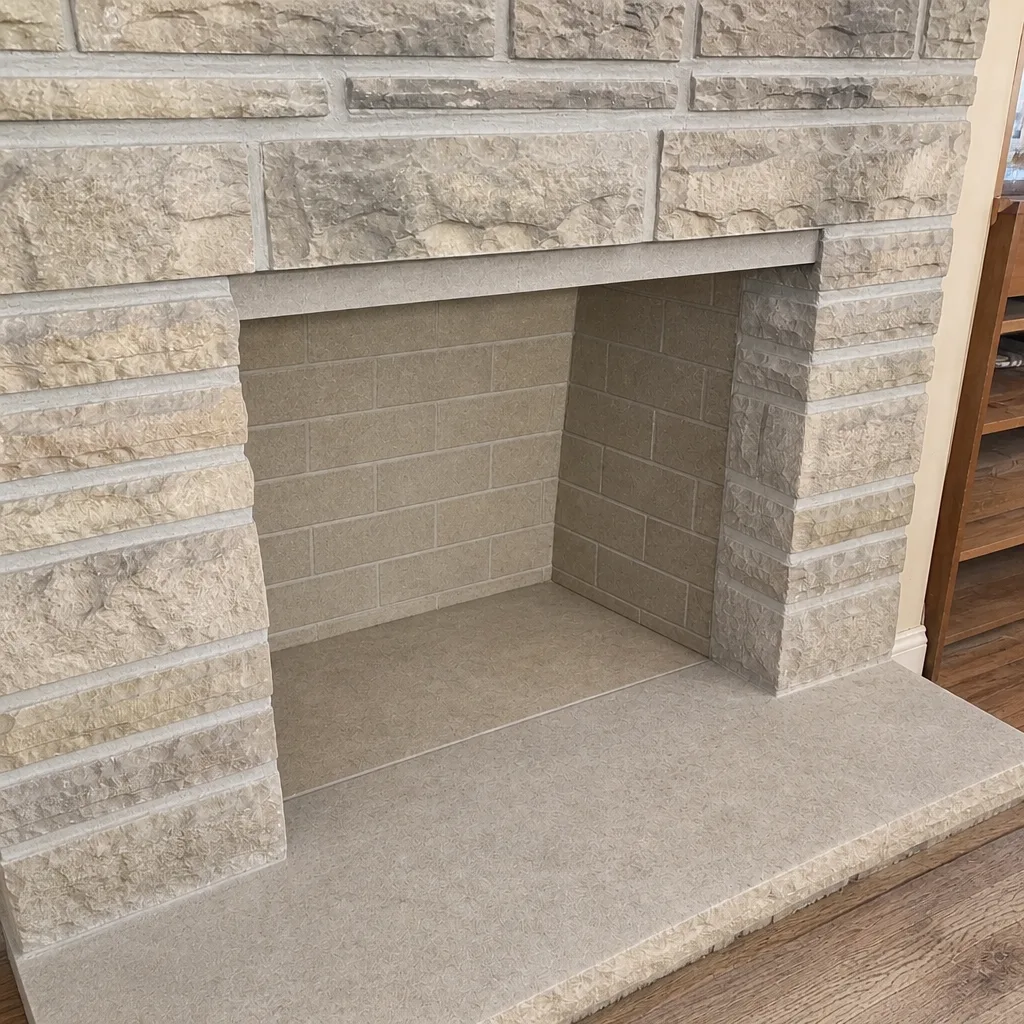
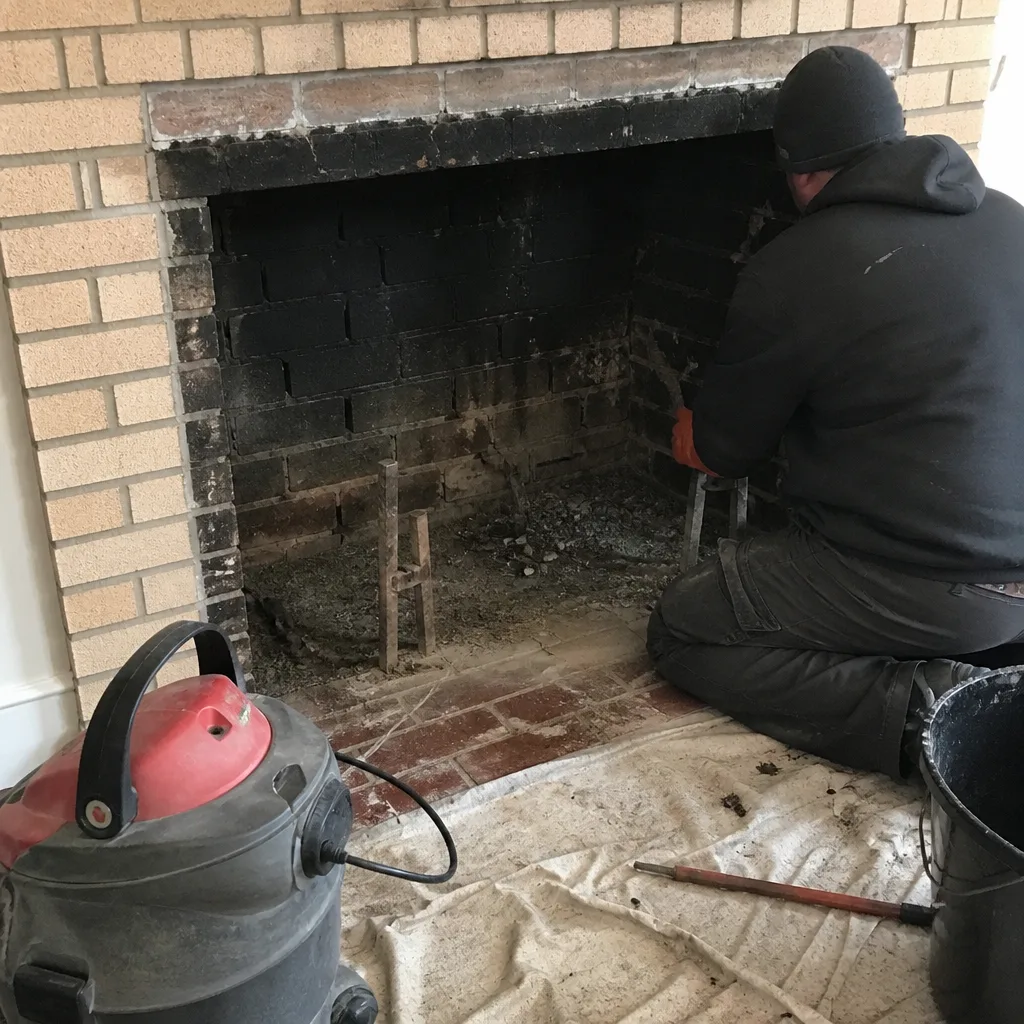
See the difference
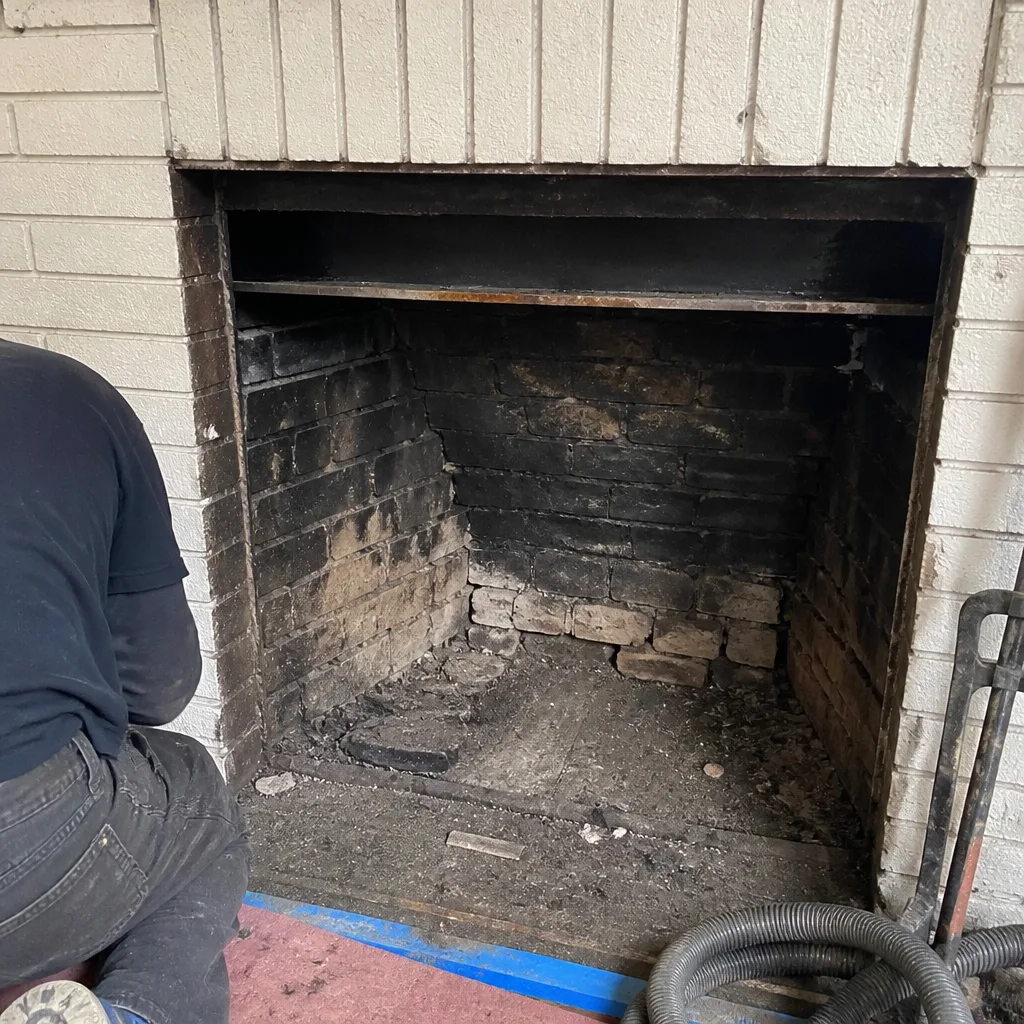 Before
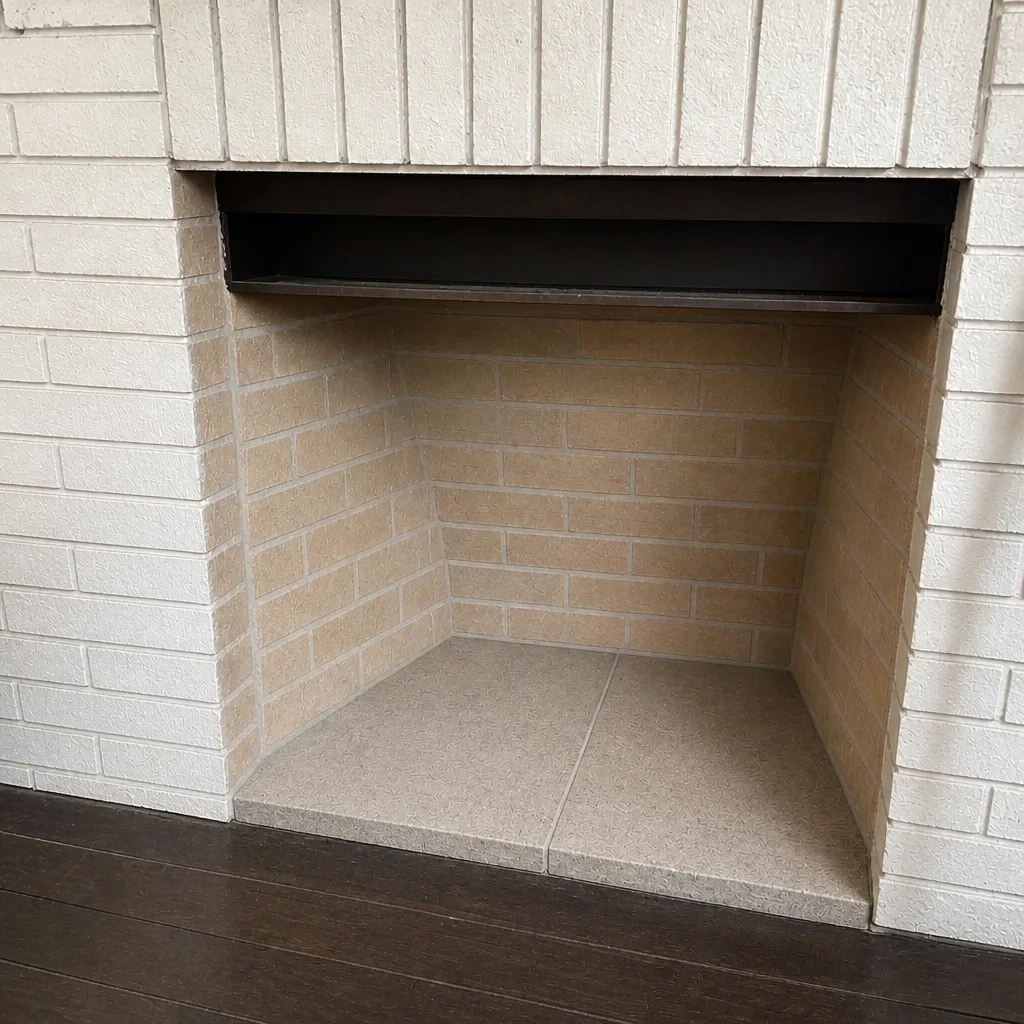 After
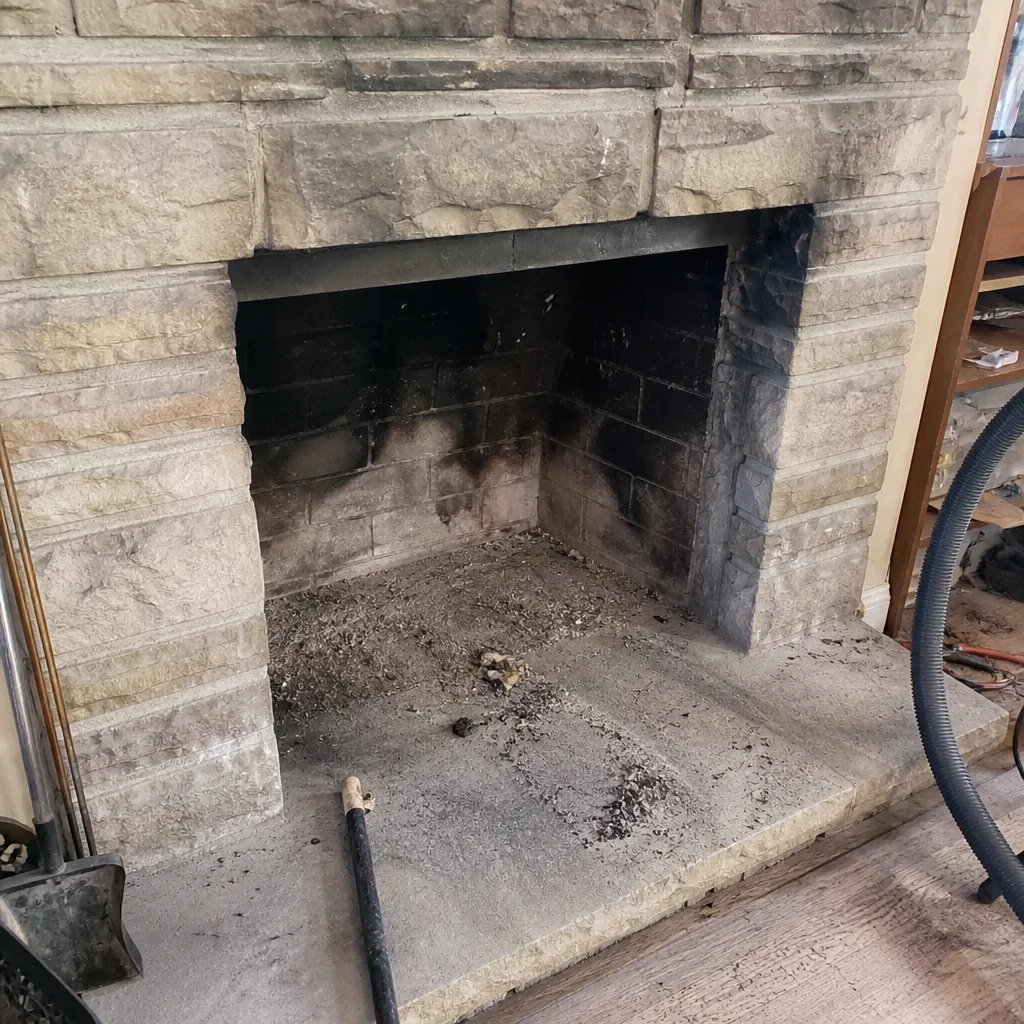 Before
 After
 Before
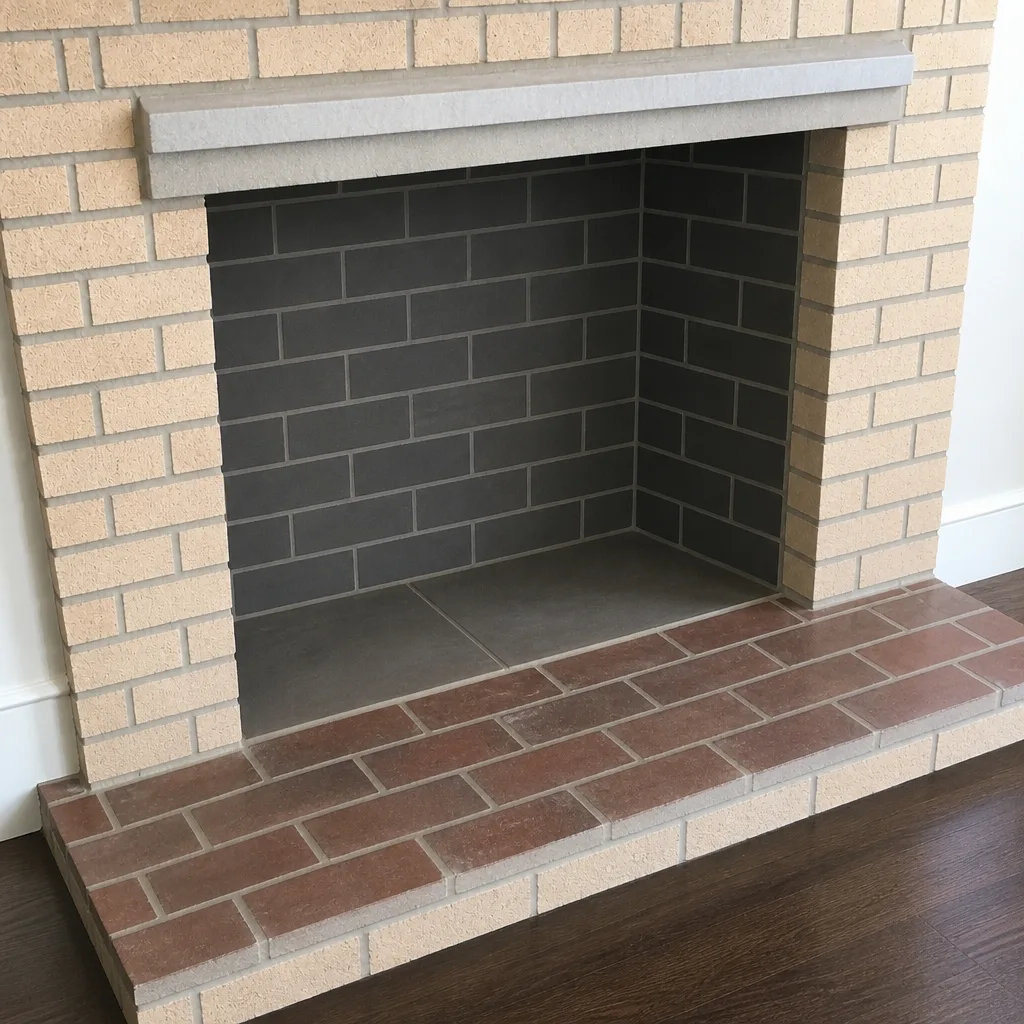 After
Frequently Asked Questions
No – routine chimney cleaning and inspection don’t require a permit in Fort Wayne. A permit becomes necessary when the work crosses from maintenance into alteration, such as relining, masonry rebuilding, or appliance installation. Call (866) 589-6152 if you’re unsure which side of the line your job falls on – that question is answered during the inspection, not after.
Relining, masonry repair and rebuilding, firebox and hearth work, new appliance installation, and chimney removal or shortening generally require a permit. The classification should be confirmed with the city’s building department for the specific job. When we quote a repair that needs a permit, we say so before work starts – call (866) 589-6152 for an exact quote.
An annual sweep and inspection is the standard for a chimney in active use, and NFPA 211 recommends an annual Level 1 inspection with a Level 2 whenever conditions change. A chimney in Fort Wayne that burns regularly through the winter should be swept every year, and any chimney – even one used occasionally – should be inspected annually. Call (866) 589-6152 to book a sweep and inspection.
A Level 2 inspection includes everything a Level 1 does plus a camera inspection of the flue interior and a closer look at accessible portions of the chimney structure. It’s required whenever a property changes hands, when an appliance changes, or when a Level 1 finding needs further investigation. If your inspection comes back flagged, ask for the footage – that’s the document a repair decision should be based on.
Yes. Open permits and unpermitted alteration work show up in title searches during a sale, and Fort Wayne buyers’ agents refer to the permit history when evaluating a home with a fireplace. Unpermitted relining or firebox work can delay a closing or trigger a renegotiation, and some insurers review the history more carefully on fireplace-equipped homes. If you’re planning to sell, pull the permit history before you list.
Real code compliance is documented: the specific code standard or NFPA 211 provision named, the inspection method and date recorded, the permit number included if a permit was required, and the inspection sign-off date noted. If an invoice says “code compliant” without any of those, it’s marketing language. Ask for the documentation – any genuine contractor can produce it.
The Bottom Line
Routine chimney sweeping in Fort Wayne is maintenance, and it doesn’t need a permit. The moment work crosses into relining, masonry rebuilding, firebox alteration, or appliance installation, the Indiana Residential Code, NFPA 211, and the city’s building ordinance all kick in – and the permit record follows the property from that point forward. A Level 2 inspection with camera evidence is the document that triggers a repair decision, and the permit record and inspection sign-off are the documents that verify it. Call (866) 589-6152 for a free estimate on a chimney sweep, inspection, or repair in Fort Wayne. We answer 24/7, with fast dispatch from 7am to 7pm, Sunday through Friday. The full sweep-to-repair cycle is handled by the same team – no second contractor, no gap in the record.
Written by the team at Fort Wayne Chimney Sweep.