
Last updated November 15, 2026
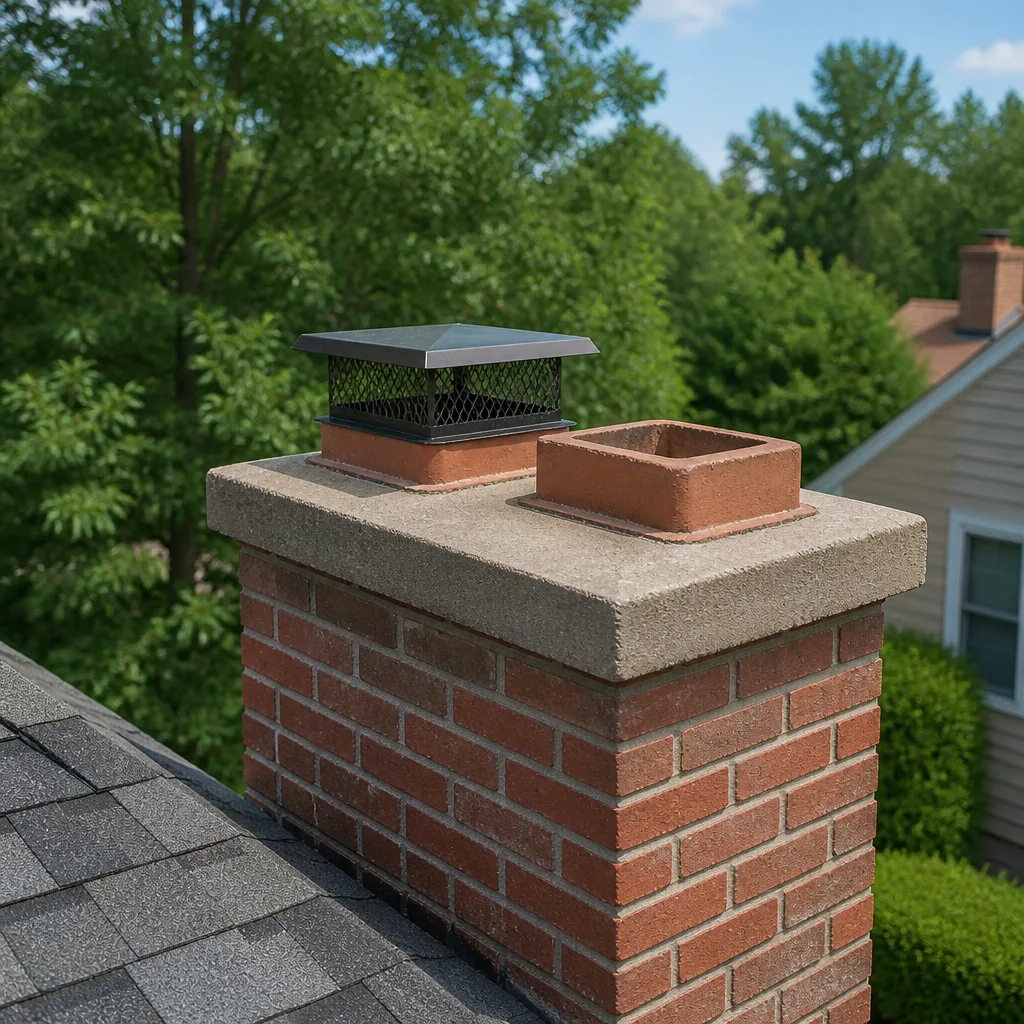 Sweep & inspection
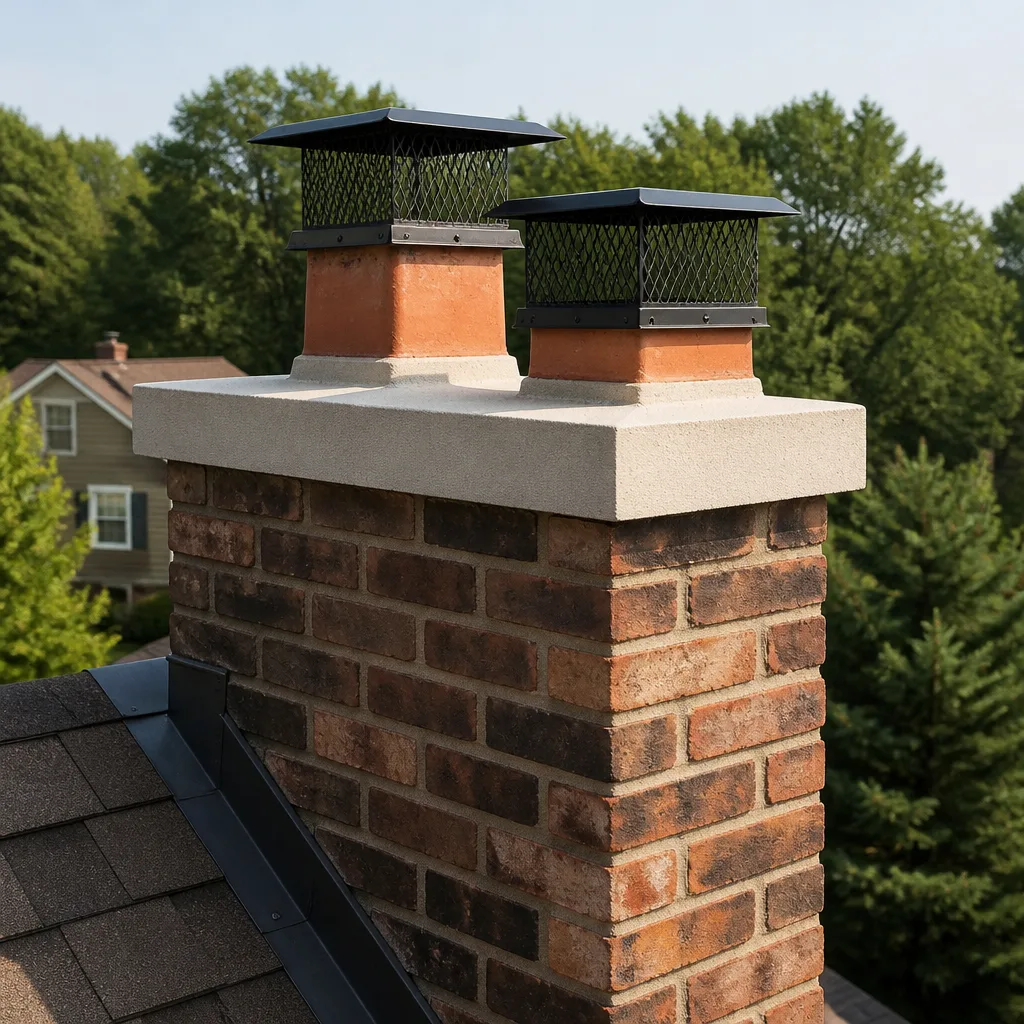 Caps & crowns
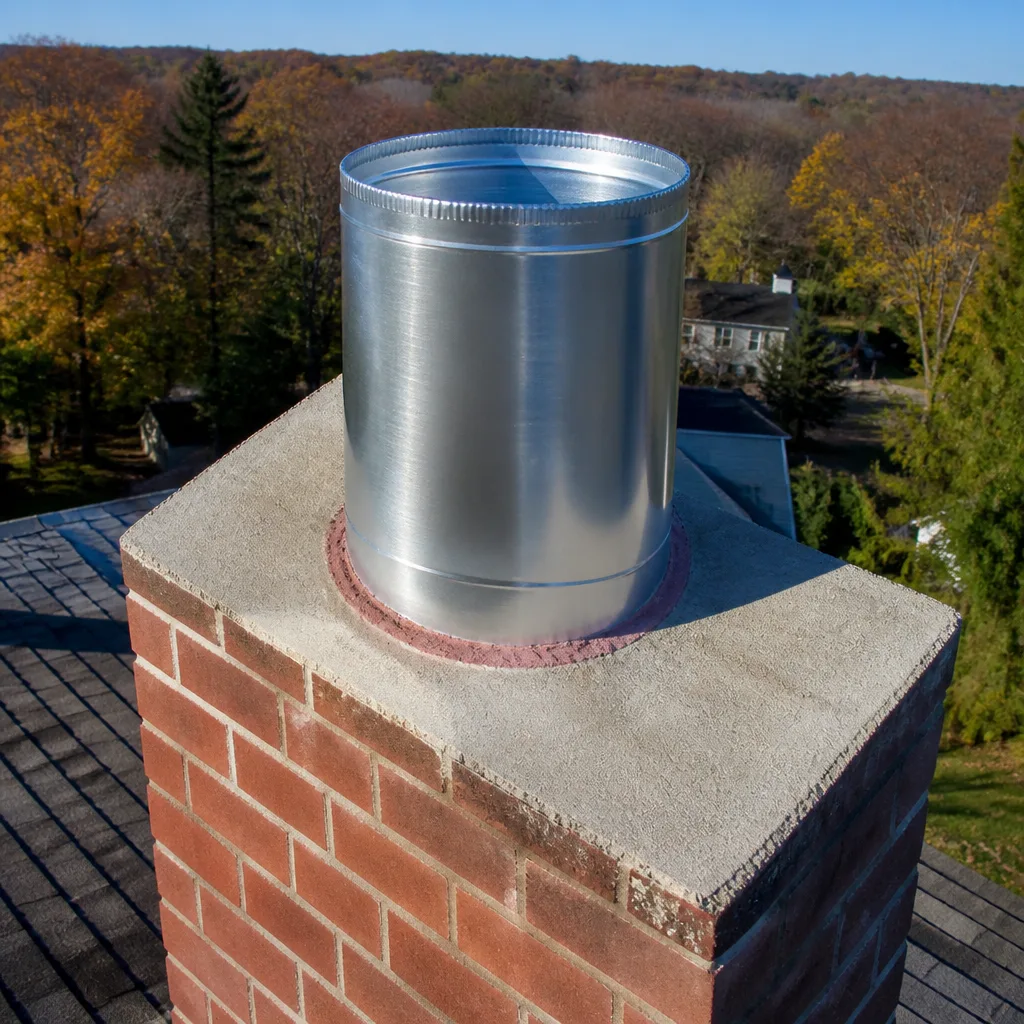 Flue relining
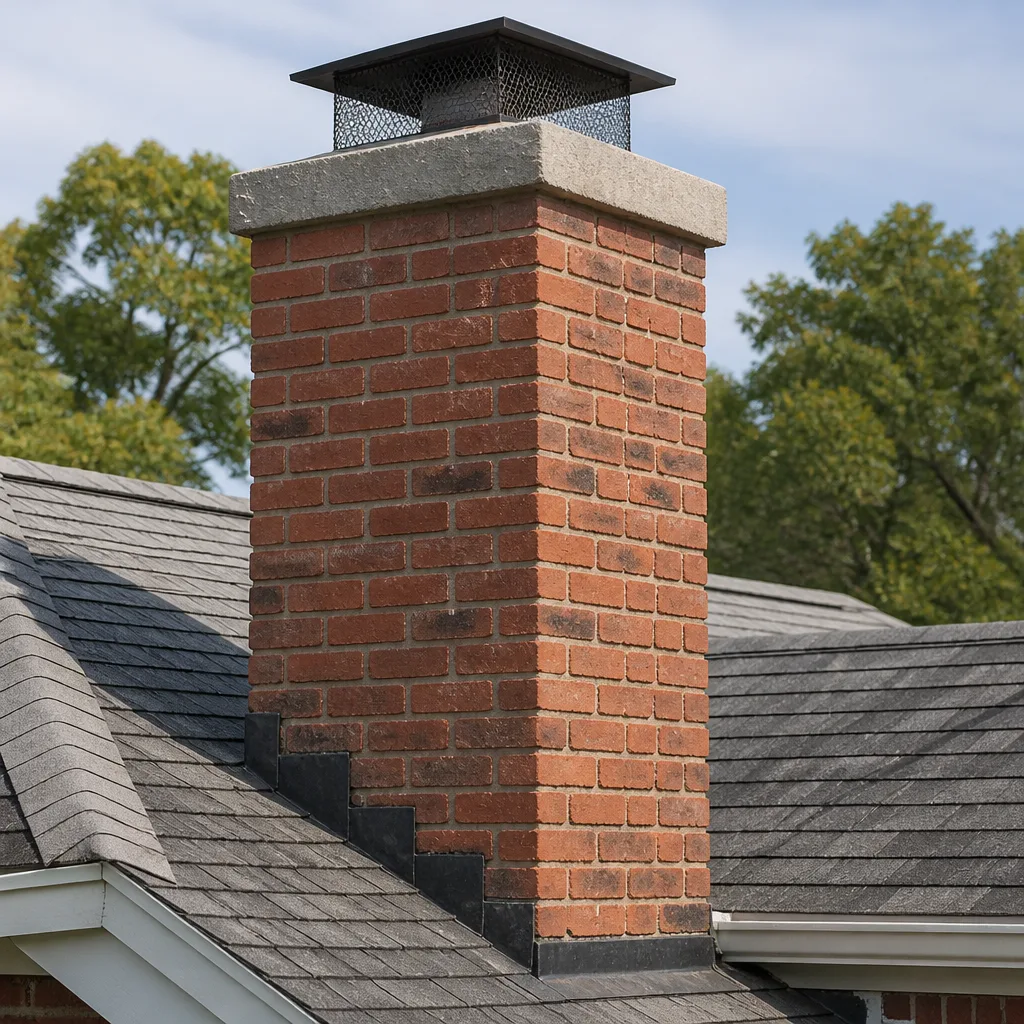 Masonry repair
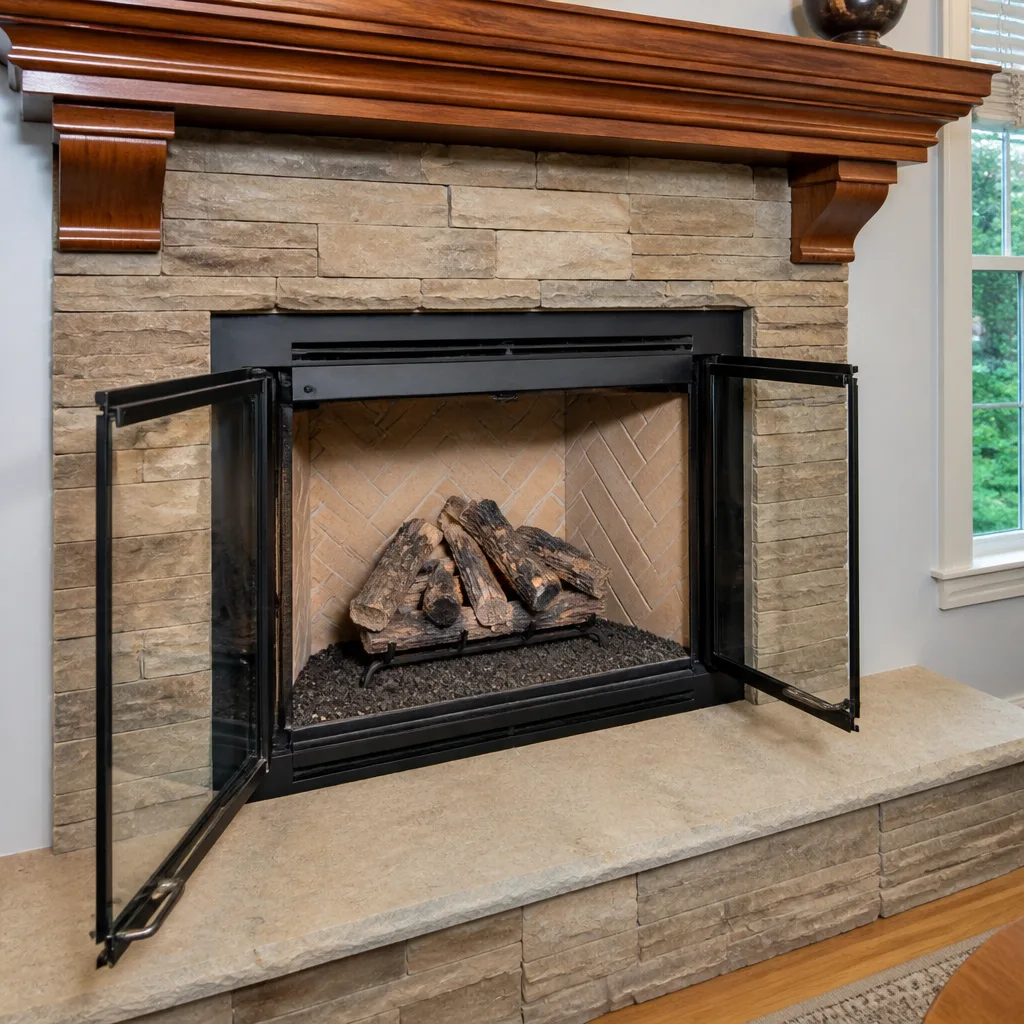 Gas fireplace service
Level 1 sweep and inspection to the NFPA 211 annual standard - flue, crown, cap, and flashing checked and photographed
Chimney sweep logs do not sweep chimneys. They loosen some creosote - which then falls where a brush and vacuum still have to collect it.
Chimney Sweep Maintenance Schedule: What to Do and When
Most homeowners treat a chimney like a smoke detector: ignore it until something goes wrong, then react. That approach fails in northeastern Indiana because the chimney year here has a shape. Masonry expands and contracts through a hard freeze-thaw window, storm season throws limbs and debris against caps and crowns, and the heating season runs long enough to load a flue with creosote faster than most national maintenance advice assumes. October is the worst month to book a sweep in Fort Wayne. By then you’ve missed the window to repair masonry before the first hard frost, and you’re in line behind every other homeowner who waited. This guide lays out the full calendar so you’re working ahead of the season instead of catching up to it.
Quick Answer
The core schedule is this: book a full inspection and cleaning in spring after the heating season ends, complete any masonry or liner repairs before fall, run a homeowner-level visual check each quarter, and sweep again in late summer or early fall before you burn. If you burn wood steadily through the winter, you may need a second cleaning mid-season. That’s the whole cycle. Everything else in this guide is detail on how to time each phase to Fort Wayne’s climate and how to know when you’ve crossed from maintenance into repair.
Styles & brands we work with
- Sweep & inspection
- Caps & crowns
- Flue relining
- Masonry repair
- Gas fireplace service
Table of Contents
- Why a Chimney Needs a Schedule, Not Just a Cleaning
- The Fort Wayne Chimney Year: A Month-by-Month Calendar
- Spring: The Inspection That Actually Prevents Damage
- Summer: The Repair Window You Shouldn’t Waste
- Fall: Pre-Season Sweep and Readiness Checks
- Winter: What to Watch and What to Leave Alone
- Quarterly Self-Checks vs. What Requires a Credentialed Sweep
- How Often Should You Sweep? Wood Type and Burn Frequency
- Maintenance Tasks That Void Insert and Liner Warranties
Why a Chimney Needs a Schedule, Not Just a Cleaning
A chimney is a venting system, and every part of it fails on its own timeline. Creosote builds up in the flue. Moisture works into masonry joints and the crown. A cap cracks and lets water in. A liner develops a gap at a seam. None of these announce themselves, and all of them get worse through a Fort Wayne winter. That’s why the schedule matters more than the cleaning visit itself. A single annual sweep catches some of these problems and misses others.
NFPA 211, the national standard for chimneys and vents, sets the baseline: chimneys should be inspected and cleaned as needed, and inspected annually even when no cleaning is done. That word “annually” is where most homeowners stop reading. The point of a schedule is that the inspection and the cleaning and the repair all land in the right season, so a problem found early is a small repair instead of a spring reconstruction.
Here’s the practical reality. In Fort Wayne, a chimney that gets a spring inspection has all summer to dry out and be repaired. A chimney that gets an October inspection usually gets told the masonry work has to wait, because you can’t properly cure mortar and sealants in freezing weather. The inspection was fine. The timing wasted the repair season.
We inspect it, clean it, and fix what we find, and the schedule is what makes that useful instead of reactive. This is all we do, which means we see the same pattern on the same chimneys year after year. The homeowners who never have a crisis are the ones who stopped treating the sweep as an October errand.
The Fort Wayne Chimney Year: A Month-by-Month Calendar
A generic national maintenance template doesn’t fit northeastern Indiana. Our heating season stretches longer, the freeze-thaw cycle is aggressive on masonry, and storm season puts real stress on caps and crowns. Here’s how the chimney year actually breaks down in Fort Wayne, month by month.
- January and February: peak burn. Watch for draft problems, smoke rollback, and unusual creosote odor. Don’t schedule anything structural now; it’s the wrong season for it.
- March: the tail end of the heating season. Start watching the firebox for ash and creosote accumulation and note any draft issues so you can report them.
- April: the critical month. Book the post-season inspection and cleaning while the weather is still stable enough for repair materials to cure.
- May and June: masonry repair, crown work, and liner assessment. This is the window most homeowners waste.
- July: storm season puts caps, crowns, and flashing to the test. A quick look after a major storm is cheap insurance.
- August: book your pre-season sweep and cleaning before the schedule fills.
- September: the pre-season cleaning is done. Do a last visual check of the cap, crown, and firebox before the first fire.
- October through December: burn season. If you burn heavily, expect a mid-season cleaning around the new year.
Notice how much of this happens in months when you’re not thinking about the fireplace. That’s the whole idea. The season you use the chimney is the season you can least afford to be without it. Do the work when it’s idle.
Spring: The Inspection That Actually Prevents Damage
April is the highest-value month on this calendar, and it’s the one homeowners skip. A spring inspection happens right after the heating season, which means the chimney is showing the damage the winter actually did. You’re not guessing at condition from a year-old memory; you’re seeing the current state after the hardest wear the system takes.
The reason April beats October is curing. Mortar, crown sealant, and the materials used in liner restoration need stable temperatures to set properly. A masonry repair done in October in Fort Wayne is racing the first hard frost. A repair done in May has warm months ahead of it. That single fact is why fall inspections so often end with the words “let’s plan this for next spring.” The repair didn’t appear in October. It was there in April and nobody looked.
A proper spring inspection covers the whole system, not just the flue. It includes:
- Firebox and damper: checking for cracked firebrick, deteriorated mortar joints, and a damper that no longer seals.
- Flue interior: looking at creosote levels and, importantly, the condition of the liner. Camera inspection lets you see what a light can’t.
- Crown and cap: the two components that fail most often and let the most water in.
- Flashing and exterior masonry: the joints and flashing where water gets in and freeze-thaw does its work.
- Chimney exterior at the roofline: spalling brick, loose mortar, and any leaning that suggests a structural issue.
Get the findings in writing, with photos if they’re offered. A camera inspection with a photo report means you’re not taking anyone’s word for it. You can see the crack, see the creosote, and decide for yourself. Nothing should be recommended to you that you can’t look at.
Summer: The Repair Window You Shouldn’t Waste
Summer is when chimney repair actually gets done properly. The materials cure, the weather cooperates, and the chimney is not in use. If your spring inspection found crown cracks, spalling brick, failed flashing, or a damaged liner, this is when you fix it. Push it to fall and you’ll be told what April would have told you: this is a spring job now.
Two repair approaches are worth understanding because they change what “repair” means for your chimney. HeatShield is a ceramic resurfacing method that restores the inside of a flue without tearing it out. For the right chimney, it extends the life of the liner without the cost and disruption of a full reline. When resurfacing genuinely isn’t enough, a full relining using a system like DuraFlex handles the complete job. The point is that the repair isn’t a single option; it’s a decision made from what the inspection found.
We carry materials from brands including Gelco, Olympia Chimney, and Famco because no two chimneys need the same fix. A crown repair on a 1950s masonry chimney and a liner restoration on a more recent one aren’t the same job, and treating them that way is how a summer window gets wasted on the wrong approach.
The bigger reason summer matters: repairs compound. A cracked crown lets water in. Water in the masonry freezes and spalls the brick. Spalled brick means a bigger masonry repair next year. Every winter you leave a defect in place, it gets more expensive. Summer is when you break that cycle.
Fall: Pre-Season Sweep and Readiness Checks
Fall has one job: get the chimney ready to burn, and get it done before the schedule fills. The pre-season cleaning and inspection should be booked in August and completed in September. If you’re calling in October, you’re calling in the busiest month of the year, and you may be told the masonry work has to wait for spring regardless.
The fall routine is simple:
- Sweep the flue if the spring inspection or your burn frequency called for it, clearing the creosote load from last season.
- Confirm the liner is intact and properly sized for what you’re burning. A liner that’s too large for the appliance drafts poorly and loads creosote faster.
- Check the cap and screen for wildlife nests, storm debris, and corrosion. A blocked cap is a carbon monoxide risk, not just a draft problem.
- Test the damper through a full open-close cycle. Sticking or failing to seal is common after a summer of disuse.
- Check the firebox and clean out summer debris before the first fire.
- Confirm your detectors. A working carbon monoxide alarm on every level and a smoke alarm tested before the first burn is the last line of defense, not an optional extra.
Do this before you light the first fire of the season, not after. A chimney that fails a fall readiness check is a chimney you don’t use until it’s fixed, and knowing that in September gives you options. Knowing it in November gives you a cold house.
Winter: What to Watch and What to Leave Alone
Winter maintenance is about observation, not intervention. During burn season you’re watching for the signals that something needs attention, and you’re not scheduling structural work. The ground is frozen, the materials won’t cure, and the chimney is in use.
What to watch for during the burn season in Fort Wayne:
- Draft problems. Smoke rolling into the room, a fire that’s hard to start, or a flue that won’t draw suggests a blockage, a liner issue, or a sizing problem. Stop burning and get it looked at.
- Strong creosote odor. A sharp, tarry smell on a warm day after a cold snap often means a heavy creosote load. That’s a cleaning signal, not something to air out.
- Visible creosote in the firebox or at the damper. If you can see it glazing on the surfaces you can reach, there’s more further up.
- Carbon monoxide alarms. A CO alarm is a stop-everything moment. Get everyone out, ventilate, and don’t relight until a professional has checked the system.
- Exterior masonry changes. New cracks, spalling, or pieces coming loose at the roofline get documented and repaired in spring. Don’t climb up in winter weather to look.
Heavy burners often need a second cleaning mid-season. If you’re burning daily through January and February, a new-year cleaning keeps the creosote load from getting ahead of you. It’s a booked visit, not an emergency, which is exactly why it belongs on the calendar.
Quarterly Self-Checks vs. What Requires a Credentialed Sweep
There’s a real line between what a homeowner can check and what needs a professional. Knowing that line is what keeps self-maintenance useful and keeps you out of the emergency room. Here’s how to draw it.
What you can legitimately check yourself, quarterly:
- Cap condition. From the ground or a window, look at the cap for visible damage, a missing screen, or debris. Don’t climb up to inspect it.
- Crown cracking. From the ground, look at the concrete crown at the top of the chimney for visible cracks. If you can see one, note it and report it.
- Firebox debris. Clean out ash and any fallen debris from the firebox. Check the firebrick for obvious cracks.
- Damper operation. Open and close the damper and confirm it moves freely and seals.
- Exterior masonry at eye level. Look for new cracks or loose mortar where you can safely see the chimney from the ground.
What requires a credentialed sweep:
- Flue inspection and cleaning. Going up on a roof or working inside a flue with a brush and camera is roof and height work, and it needs the right tools and the training to read what the camera shows.
- Liner assessment and any relining. Liner integrity isn’t optional. It’s the difference between a working fireplace and a fire hazard, and it takes a professional to assess it.
- Masonry repair, crown repair, and flashing work. Structural and moisture work on the chimney needs a trained hand and the right materials.
- Any carbon monoxide investigation. CO is a life-safety issue. It’s a professional call, full stop.
If a self-check turns up something, don’t try to fix it from a ladder. Document it, stop using the fireplace if it’s anything more than cosmetic, and call. A chimney sweep who can’t do the repair is only half the job. You want the same people who find it to be the people who fix it.
How Often Should You Sweep? Wood Type and Burn Frequency
Once a year is a starting point, not a rule. The NFPA 211 standard is clear that chimneys should be cleaned when there’s a buildup of creosote, and the honest answer to “how often” is “as often as your burning makes necessary.” For a lot of Fort Wayne households that’s one cleaning a year. For heavy burners it’s two. For a gas insert it may be less, and for a fireplace used a handful of times a season it may be less still. What doesn’t change is the annual inspection.
What drives the frequency:
- Burn frequency. Daily winter burning builds creosote faster than weekend use. The more hours the fire runs, the more often the flue needs cleaning.
- Wood type and seasoning. Seasoned hardwood burns cleaner than green or soft wood. Unseasoned wood produces more creosote because more of its energy goes into driving off moisture.
- Appliance type. A wood stove or insert runs hotter and differently than an open fireplace. A gas insert is a different system again, and it still needs inspection even though it doesn’t produce wood creosote.
- Draft and sizing. A flue that’s too large for the appliance runs cooler and deposits more creosote. A flue that drafts poorly does the same.
The practical rule: if there’s a quarter-inch or more of creosote on the flue walls, or any glazed creosote at all, it’s time to clean. Glazed creosote is the dangerous kind because it ignites at lower temperatures and burns hot. You can’t see it yourself from the firebox. That’s what the inspection is for, and it’s why the annual inspection doesn’t go away even in a light-burn year.
The heating season in Fort Wayne is long enough that a mild fall and a cold February can both land on the same flue. If you’re not sure whether you’re a one-cleaning or two-cleaning household, the spring inspection tells you. It’s an evidence question, not a guess.
Maintenance Tasks That Void Insert and Liner Warranties
Most homeowners don’t learn their insert or liner warranty had conditions until they need to make a claim. Liner systems and inserts from the manufacturers we work with carry maintenance requirements, and skipping them can put the warranty at risk. Knowing what those requirements are is part of owning the appliance, not an optional detail.
The maintenance items that commonly appear in warranty terms:
- Annual inspection and cleaning. Regular inspection by a qualified professional is a standard condition. Skip it and a later claim can be denied on the basis that the damage was preventable.
- Burning the right fuel. Burning trash, treated wood, or unseasoned wood in an appliance designed for seasoned firewood can void coverage because it accelerates corrosion and creosote buildup.
- Keeping the liner free of creosote. A chimney fire caused by neglected creosote is exactly the kind of event a manufacturer will point to when declining a claim.
- Proper installation and sizing. A liner that’s undersized or oversized for the appliance may fail early and leave you outside the warranty.
The simplest way to protect the warranty is to keep the records. A professional chimney sweep leaves a paper trail of when the system was inspected and cleaned. If a liner fails and you need to make a claim, that record is what you’ll be asked for. We work with DuraFlex, HeatShield, Gelco, Olympia Chimney, Famco, and Copperfield because those product lines have clear maintenance requirements a homeowner can actually follow, and knowing the requirements is half the battle.
Common Mistakes to Avoid
- Booking the sweep in October. It’s the busiest month of the year, and it’s too late to fix masonry before the frost sets in. Book in spring and again in August for the pre-season cleaning.
- Treating the annual inspection as optional in a light-burn year. A fireplace used six times a season still has a liner, a crown, and a cap that can fail. The inspection isn’t about how much you burn; it’s about the condition of the system.
- Self-inspecting the flue from a ladder or by looking up from the firebox. You can’t see the liner seams, the creosote above the smoke shelf, or the crown from those angles. That’s roof and height work, and it’s what a sweep is for.
- Putting off a crown repair because the fire still works. A cracked crown lets water in all winter, and freeze-thaw spalls the brick behind it. The fire working today doesn’t mean the masonry is intact, and the wait is what turns a crown repair into a masonry rebuild.
- Burning unseasoned wood to save money. Green wood sends more moisture up the flue, which lowers efficiency, cools the flue, and deposits more creosote. It costs you in cleanings and in liner life.
- Ignoring a carbon monoxide alarm as a “false alarm.” CO alarms are life-safety devices. Treat a sounding alarm as real, get out, ventilate, and get the system checked before you relight.
- Assuming a general handyman can handle the full job. Sweeping, assessing a liner, and doing masonry repair all take specific tools and specific training. A generalist is a reasonable choice for many home projects; a chimney isn’t one of them.
See the difference
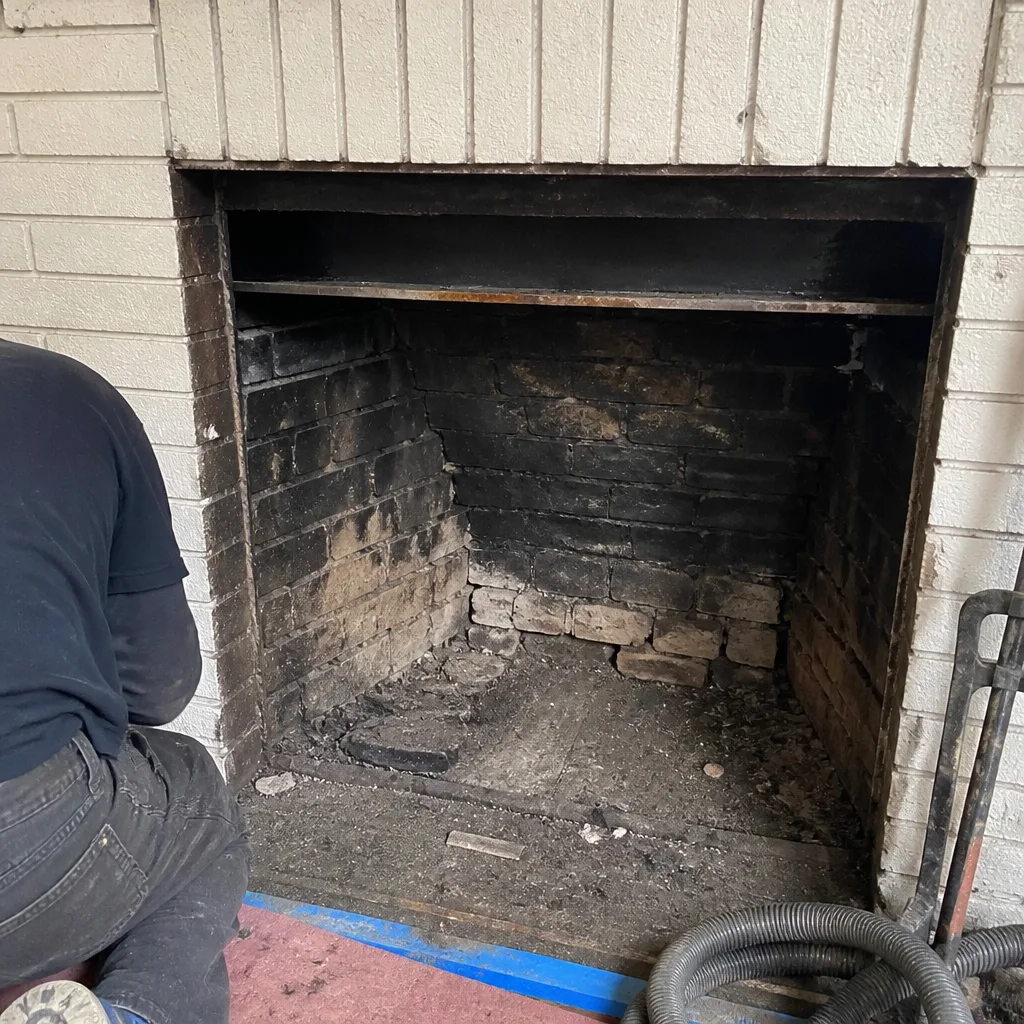 Before
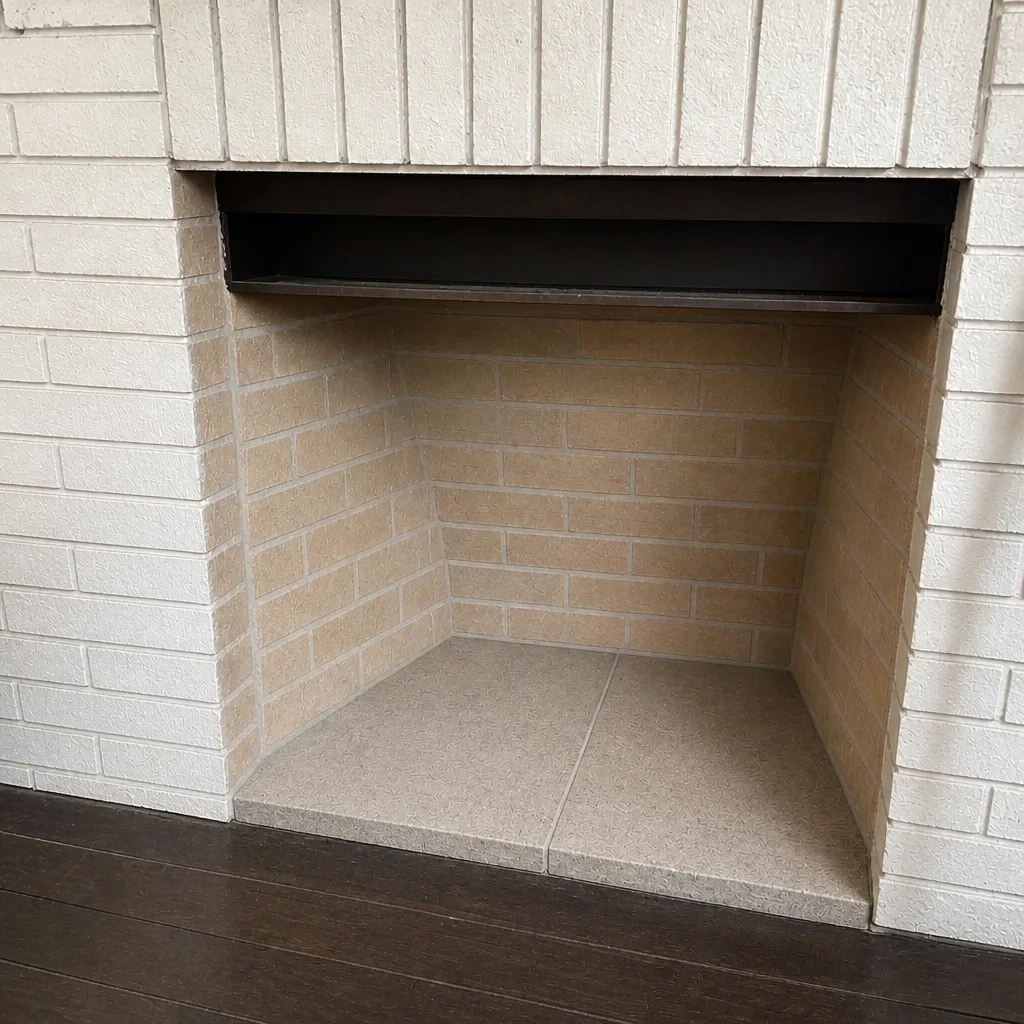 After
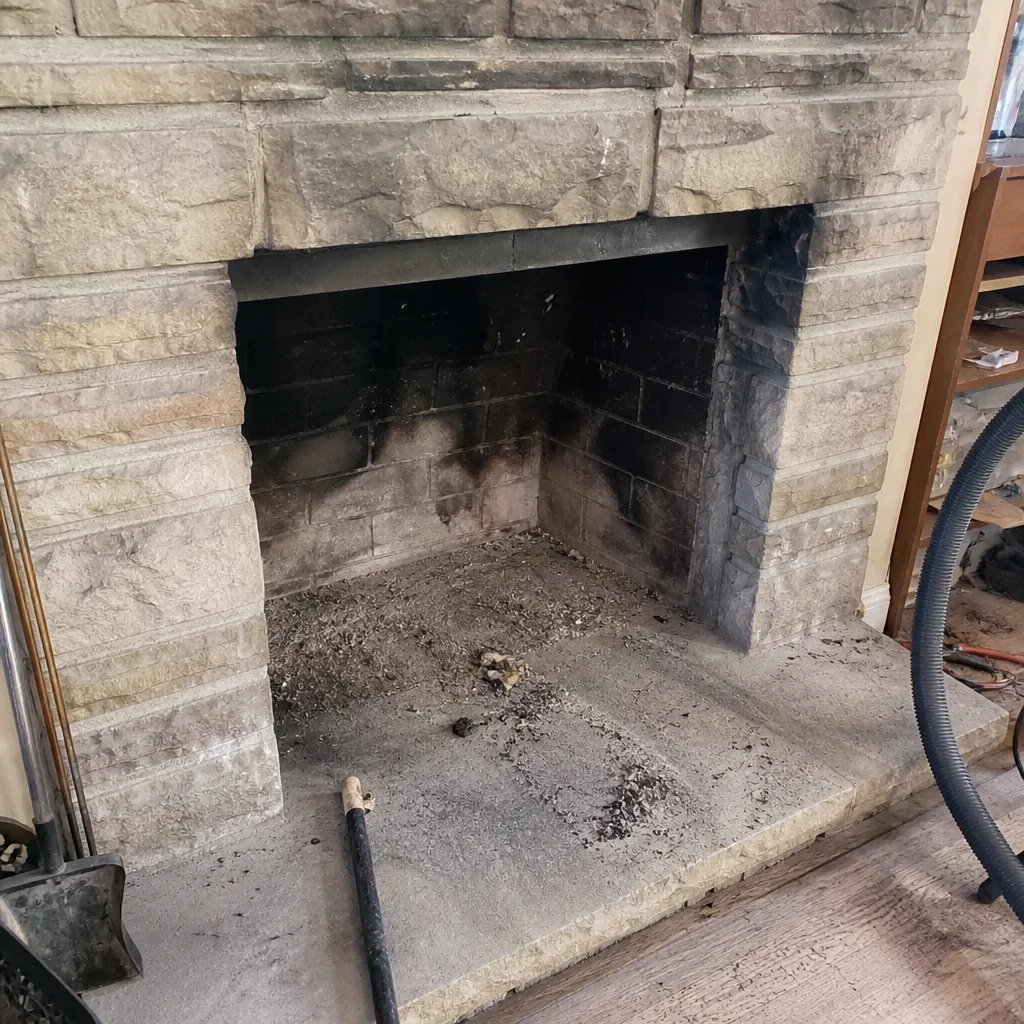 Before
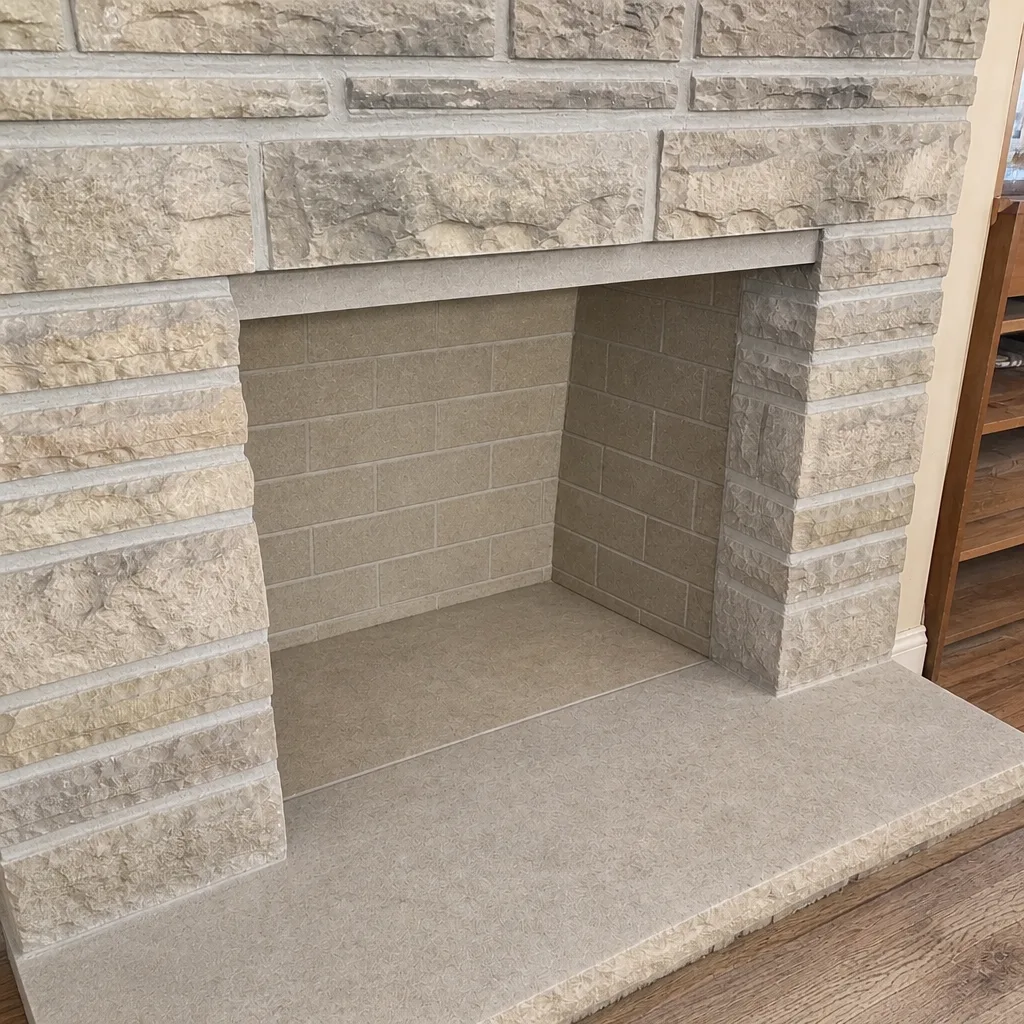 After
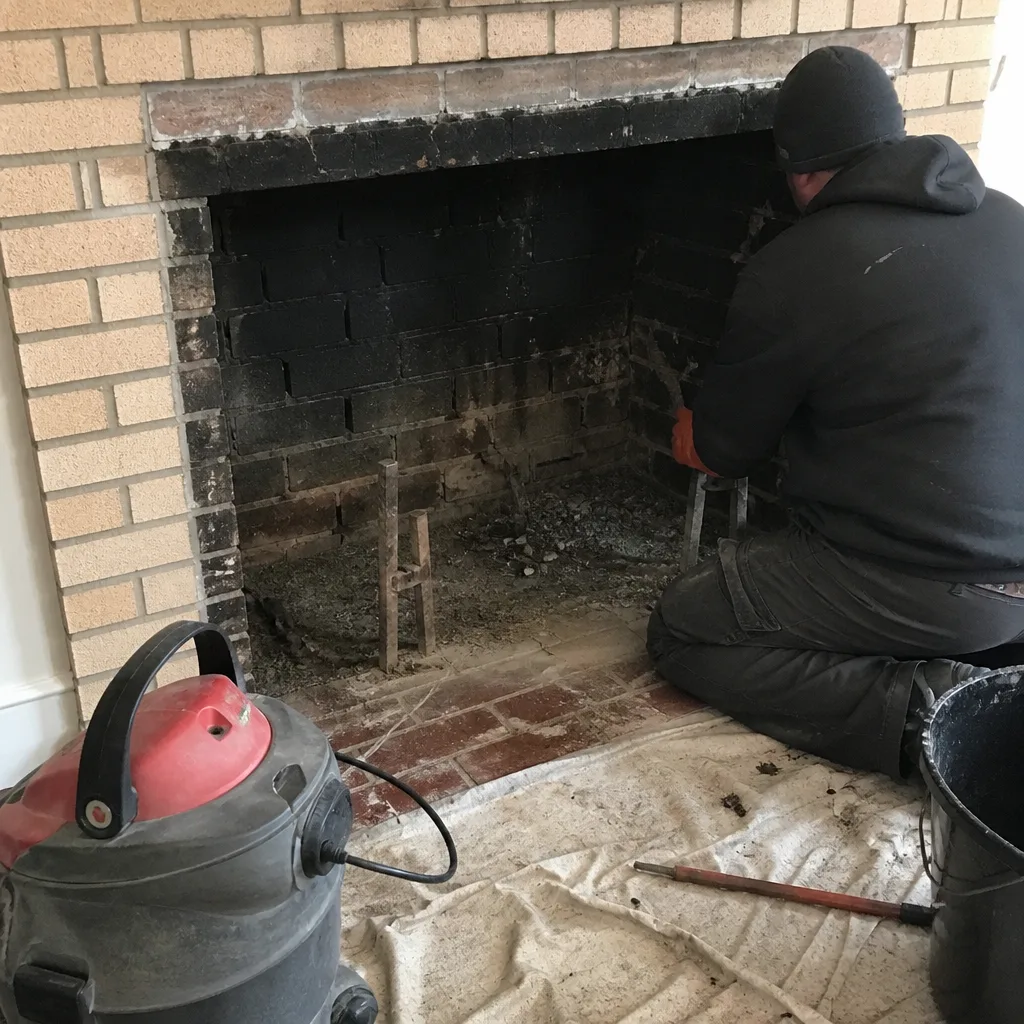 Before
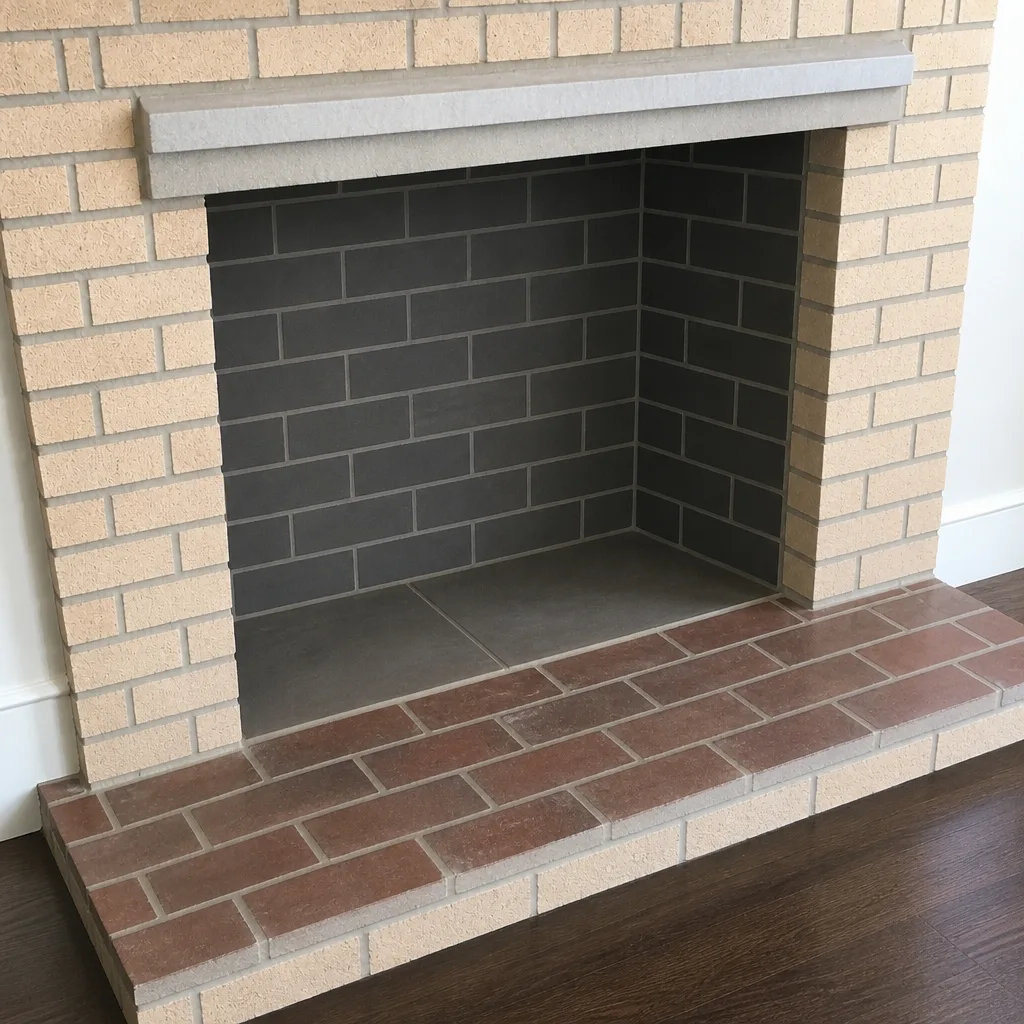 After
When to Call a Professional
Call a professional when the calendar says it’s time, when a self-check turns up something, or when the chimney tells you something’s wrong. Specific triggers: your annual inspection is due, your spring cleaning hasn’t been scheduled, you see new cracking or spalling on the exterior, your damper won’t seal, smoke rolls into the room when you light a fire, a carbon monoxide alarm has sounded, or you’ve noticed a strong creosote smell. Any of those is a call, not a project. Fort Wayne Chimney Sweep offers free estimates in Fort Wayne. Call (866) 589-6152 and we’ll book the right visit. We answer 24/7. Fast dispatch from 7am to 7pm, Sunday through Friday.
If you’re not sure whether your situation is urgent, describe it and we’ll tell you honestly. If a repair can safely wait until spring, we’ll say so. The schedule is meant to keep you out of emergency decisions, not to manufacture them.
Frequently Asked Questions
April is the best month for the main inspection and cleaning, with a second pre-season cleaning booked in August to be completed in September. April catches the winter’s damage while repair materials can still cure over the summer. Call (866) 589-6152 for an exact quote. Estimates are free.
Every year, regardless of how much you burn. The inspection checks the liner, crown, cap, and masonry, and any of those can fail from weather alone. Annual inspection is also the baseline in the NFPA 211 standard. Call (866) 589-6152 to get on the schedule. Estimates are free.
Once a year is standard for most households, and heavy wood burners often need twice. The test is creosote: a quarter-inch of buildup, or any glazed creosote, means it’s time. The annual inspection is what determines which schedule fits your chimney. Call (866) 589-6152 for an exact quote. Estimates are free.
The flue cleaning itself is roof and height work with specialized brushes and a camera, and it’s not a safe homeowner project. You can check the cap, crown, firebox, and damper from the ground or inside, but the flue interior needs a trained sweep. A general handyman isn’t the right call for the flue either. Call (866) 589-6152 to book a sweep. Estimates are free.
Creosote accumulates, which raises the risk of a chimney fire. Moisture gets into unchecked masonry and freeze-thaw spalls the brick, which turns a small crown repair into a larger masonry job. The longer the gap, the more expensive the catch-up. Call (866) 589-6152 to get back on schedule. Estimates are free.
The heating season is long and the freeze-thaw cycle is hard on masonry, so there’s a real window for repairs that cure well and a real season when they don’t. A masonry repair done in October is racing the frost; the same repair in May has months of stable weather ahead. That’s why the schedule here puts inspection in spring and repair in summer. Call (866) 589-6152 for a free estimate and we’ll help you plan around the season.
The Bottom Line
Chimney maintenance isn’t one event; it’s a calendar. In Fort Wayne, that calendar runs from a spring inspection that catches the winter’s damage, to a summer repair window that lets masonry cure properly, to a pre-season cleaning in late summer, to a winter of observation. The annual inspection is your evidence base. Everything you fix flows from what it shows, and everything you fix is easier to do in season. If you remember one thing, make it this: don’t call in October. Call in April, get the repair scheduled for summer, and book the pre-season cleaning in August so it’s done before you need the fireplace. You can stop the cycle of catch-up by working ahead of the season instead of into it. That’s what a schedule is for, and it’s how a chimney stays a working part of the house instead of a repair project waiting to happen.
We inspect it, clean it, and fix what we find, same crew, same visit window, from the first inspection through the final repair. Chimney repair, sweeping, and inspection all sit in one place, which means you’re not handed off to a second contractor when a problem turns up. If you’re in Fort Wayne or nearby and you’re not sure where your chimney stands on the calendar, call (866) 589-6152 for a free estimate. We answer 24/7. Fast dispatch from 7am to 7pm, Sunday through Friday. Book the visit, get an honest assessment you can see in a photo report, and put the next season’s maintenance on the schedule before it becomes a repair.
Written by the team at Fort Wayne Chimney Sweep.