
Last updated November 15, 2026
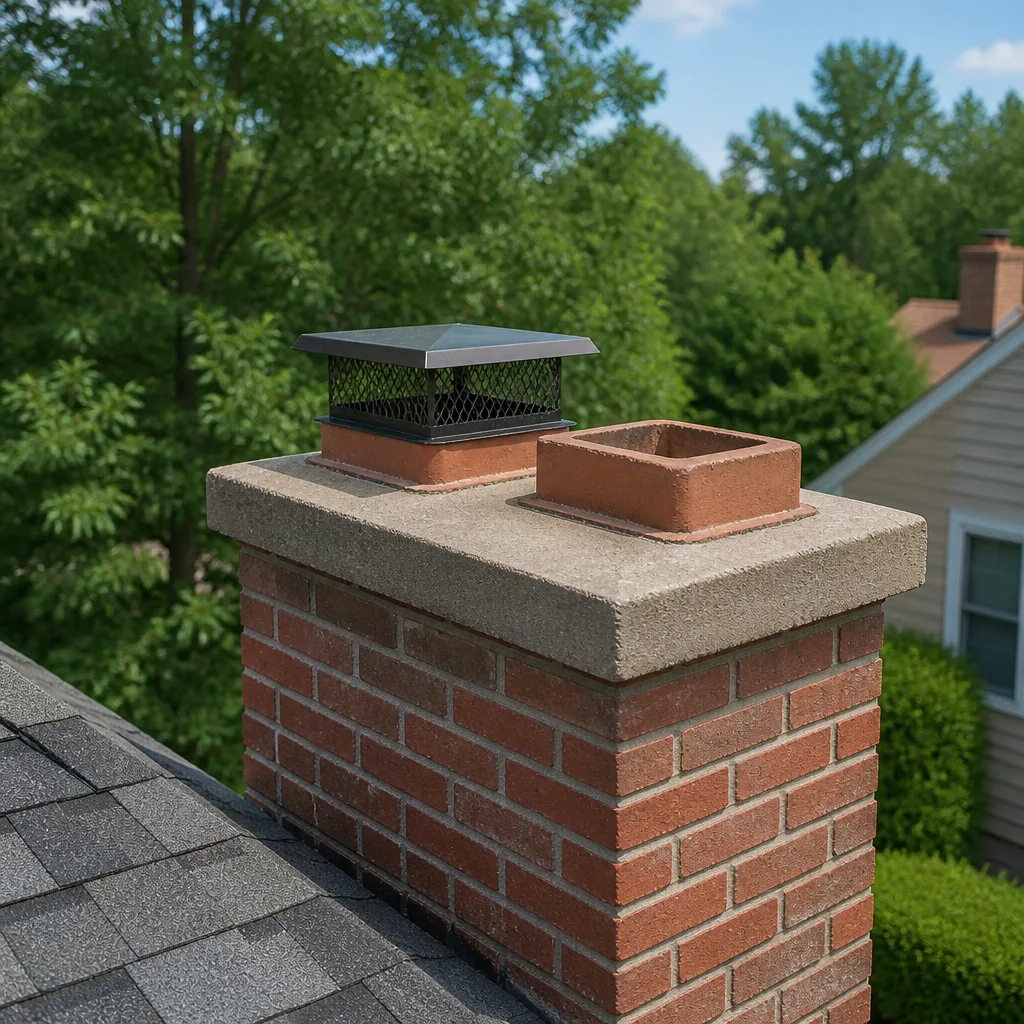 Sweep & inspection
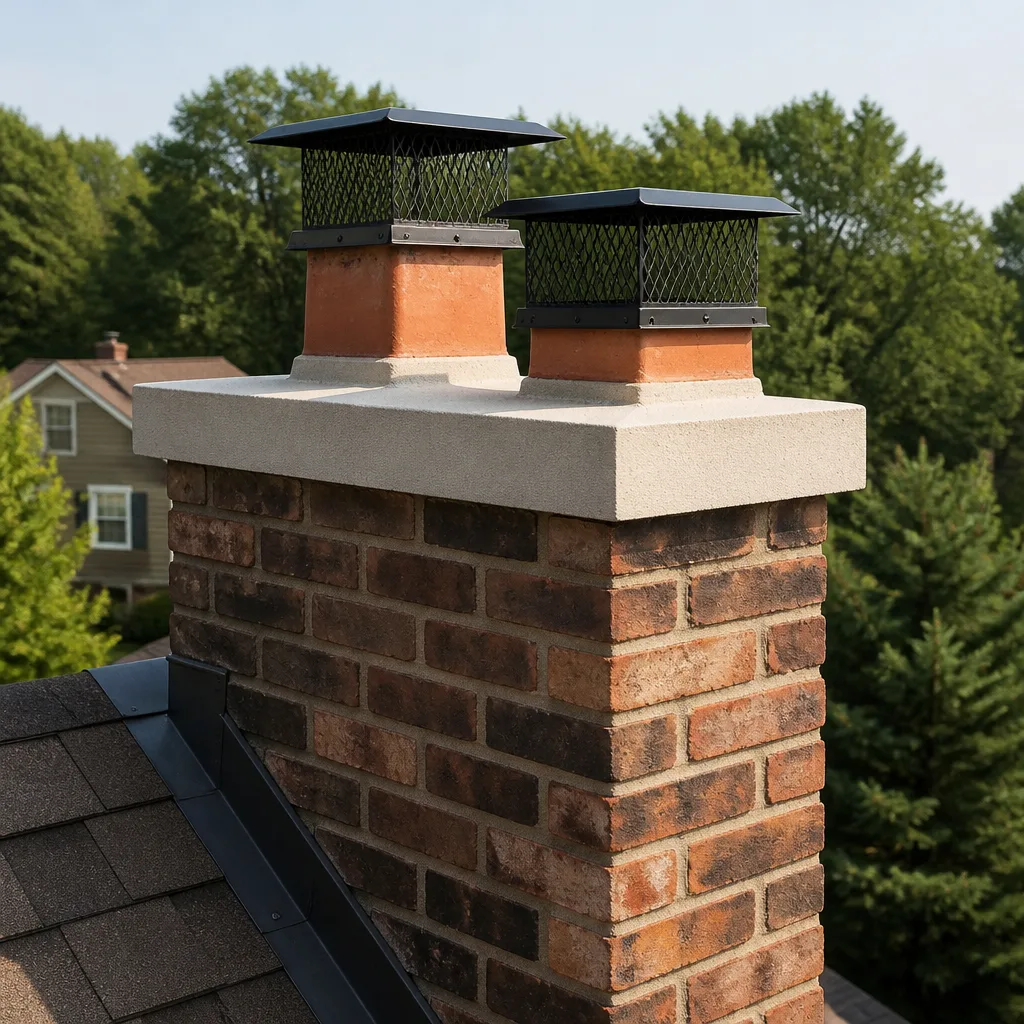 Caps & crowns
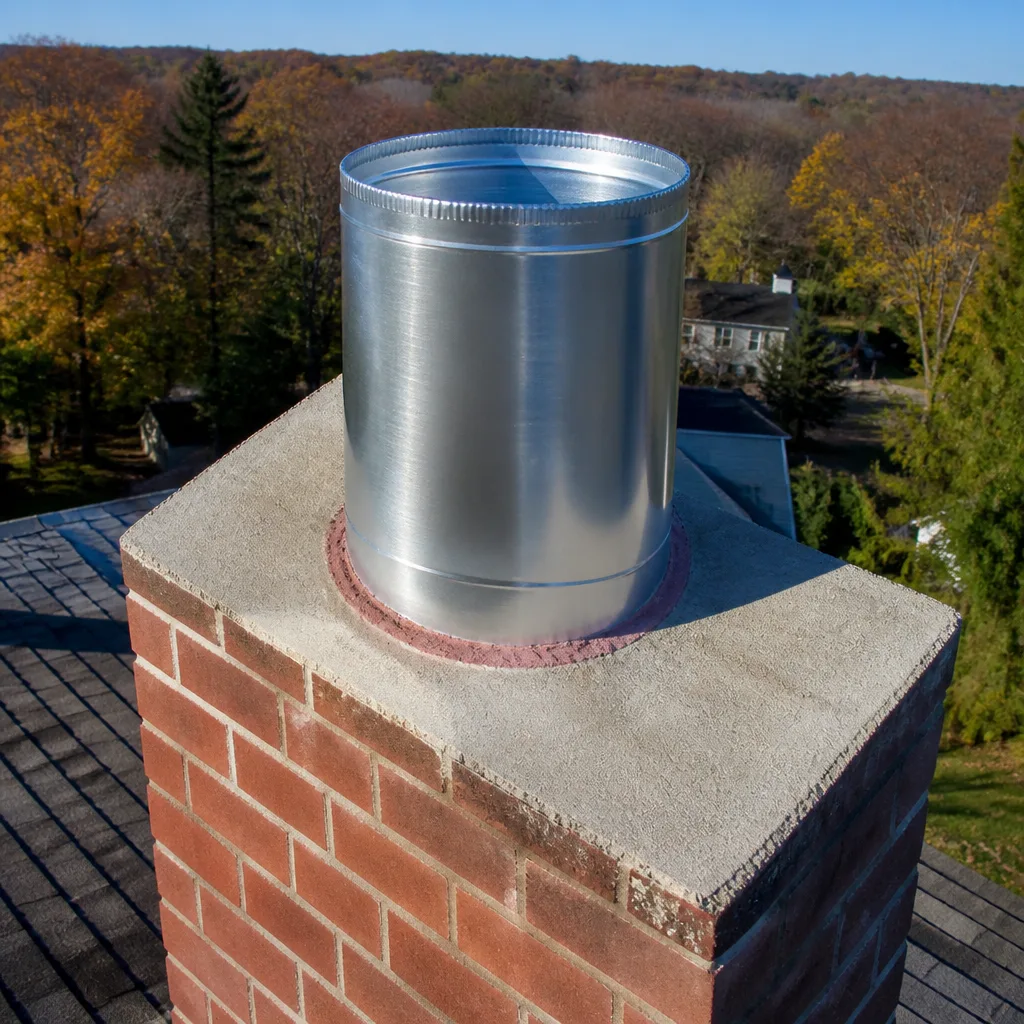 Flue relining
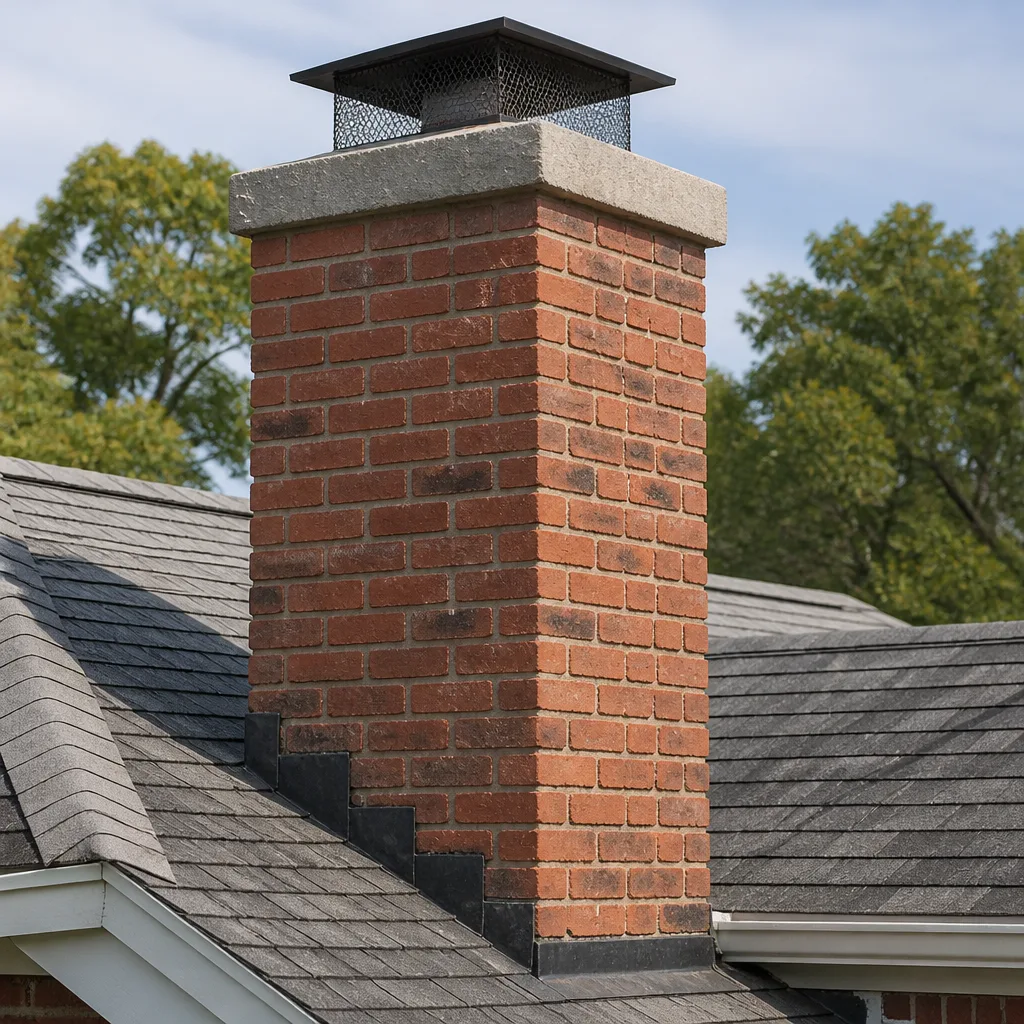 Masonry repair
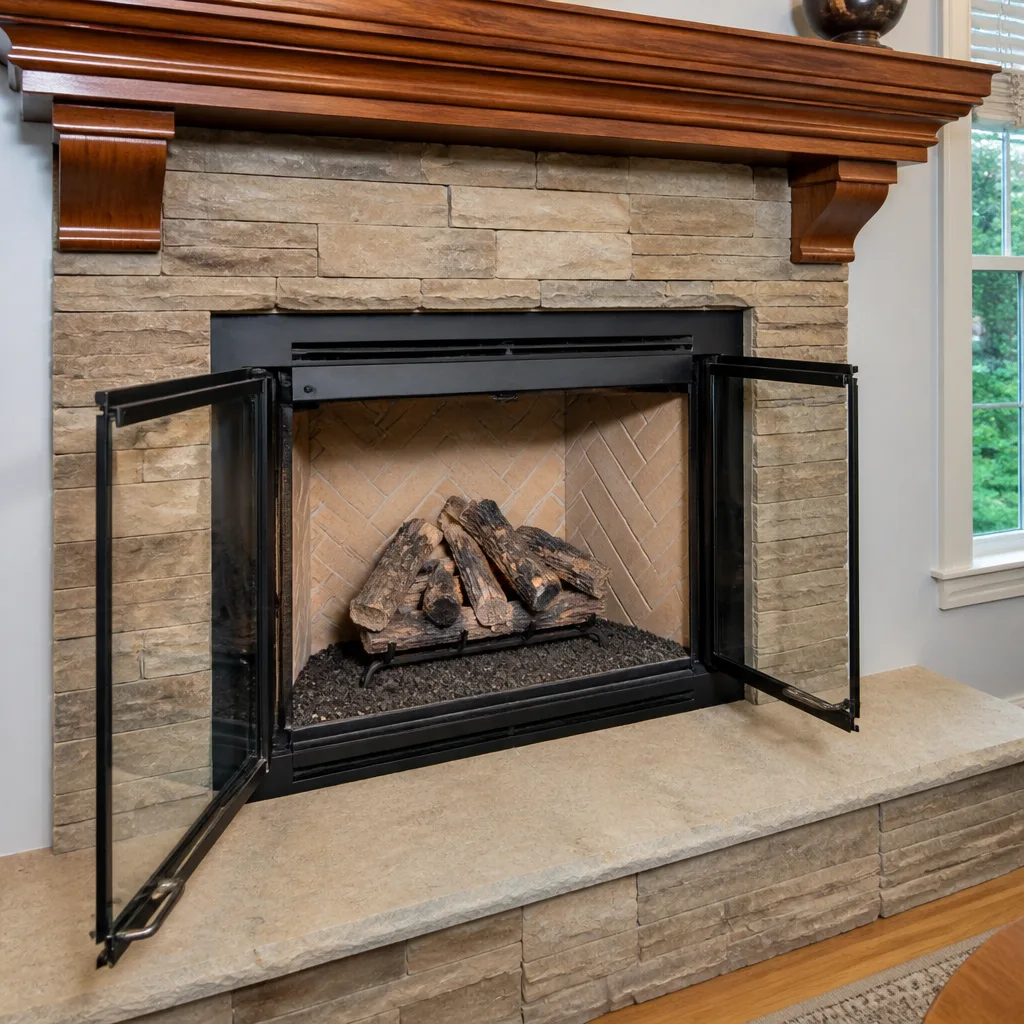 Gas fireplace service
Level 1 sweep and inspection to the NFPA 211 annual standard - flue, crown, cap, and flashing checked and photographed
Chimney sweep logs do not sweep chimneys. They loosen some creosote - which then falls where a brush and vacuum still have to collect it.
Choosing the Right Chimney Cleaning Brand: A Buyer’s Guide for Fort Wayne
Most homeowners vet a chimney company on price and a friendly phone manner. The materials never come up. That’s backward. When a contractor specifies the liner system and the sealant they’ll put in your flue, you’re holding a quality signal you can actually check. When they can’t name the materials, or say “whatever we have on hand,” that tells you something too. In this guide we decode the product brands that show up in professional chimney work – brushes, liner systems, sealants, crown coatings – so you can evaluate a Fort Wayne contractor’s supply chain, not just their sales pitch.
Quick Answer
The right chimney cleaning company is the one that can name the specific materials it uses and explain why each fits your chimney. Professional sweeps work with brushes and rods matched to the flue, sealants and crown coatings built for freeze-thaw cycles like Indiana’s, and liner systems specified to your appliance. A company that specifies brands in writing before work begins is showing you its standards.
Styles & brands we work with
- Sweep & inspection
- Caps & crowns
- Flue relining
- Masonry repair
- Gas fireplace service
Table of Contents
- Why the Materials a Chimney Company Uses Tell You More Than Its Sales Pitch
- Brushes and Rods: Professional Brands vs. Hardware Store Alternatives
- Liner Systems: What HeatShield, Supaflex, and Stainless Steel Actually Do
- Sealants and Crown Coatings: What They’re Designed For in Indiana’s Climate
- How to Ask a Fort Wayne Contractor to Specify Materials in Writing
- Red Flags in Material Selection
- The Product Lines a Specialist Works With – and Why Range Matters
- Matching the Material to the Chimney: A Step-by-Step Approach
Why the Materials a Chimney Company Uses Tell You More Than Its Sales Pitch
A chimney is a working system of flue, liner, crown, and masonry. Each part is under stress from heat, creosote, moisture, and Indiana’s annual freeze-thaw cycle. The materials a company selects are the technical answer to those stresses. A sales pitch is not.
Here’s the practical test. Ask any chimney company what brush type they’ll use, what sealant they’ll apply to the crown, and what liner specification they’d recommend if relining is needed. A specialist answers in specifics. A generalist hedges.
Why does this matter in Fort Wayne specifically? Because the housing stock here includes a real share of older masonry chimneys – – the kind where liner integrity and masonry condition become live concerns, not hypotheticals. Old brick absorbs moisture, and a Fort Wayne winter pushes that moisture through repeated freeze-thaw cycles. The materials have to be chosen for that reality.
When we talk about Fort Wayne Chimney Sweep, this is the standard we hold: every job specifies the materials, and we can explain why each one fits the chimney in front of us. That’s not a sales tactic. It’s what separates specialty work from a commodity service call.
The rest of this guide walks through the materials category by category, so you understand what you’re buying before you book the job.
Brushes and Rods: Professional Brands vs. Hardware Store Alternatives
Brushes and rods are the first place material quality shows up, and almost no homeowner asks about them. They should. The wrong brush can score a liner. The right one cleans without damage.
Professional chimney sweeps work with dedicated brush-and-rod systems – – specific brands made for the trade, with bristle types matched to the flue material. A polypropylene brush is engineered for stainless steel liners, where an abrasive brush could scratch the surface. A wire brush may be appropriate for certain heavy masonry conditions but is not the tool for every flue. Rod flexibility matters too, because it determines whether the brush follows the flue’s bends or scrapes against them.
Hardware store alternatives are built for the occasional do-it-yourselfer. The bristles are generic, the rods are stiff, and the head size is one-size-fits-all. On a straight, modern flue, that may clean acceptably. On an older Fort Wayne masonry chimney with an offset or a clay tile liner, a generic brush is the wrong tool for the job.
Why it matters beyond cleaning quality:
- Liner protection. Abrasive brushes on a stainless liner can create scratches that become corrosion points over time.
- Flue geometry. Professional rods are sized to the flue. A too-stiff rod won’t follow an offset and cleans only part of the surface.
- Creosote removal. Glazed creosote needs the right head and, often, a chemical pretreatment. The brush alone isn’t the whole method.
- Debris control. Professional brushes pair with proper drop cloths and vacuum setups. The brush is part of a system.
When you book a chimney sweep, ask what brush system they’ll use and why. It’s a short question with a long answer from a real specialist – – and a short, vague answer from someone who doesn’t do this work often.
Our technicians have up to experience, and in that time the difference between a matched brush and a generic one has shown up on plenty of flues. It’s one of the quiet quality signals in this trade.
Liner Systems: What HeatShield, Supaflex, and Stainless Steel Actually Do
Liner work is where material choice gets serious. Three broad approaches show up in professional chimney repair, and each does something different.
HeatShield: Ceramic Resurfacing
HeatShield is a resurfacing system for clay tile liners. Rather than replacing the liner, it applies a ceramic compound to the interior surface, restoring a smooth, sealed flue. It’s a technically advanced method because it preserves the existing liner structure while addressing cracks, gaps, and spalling. Not every chimney is a candidate – – the existing tile has to be sound enough to accept the resurfacing – – but when it fits, it can extend liner life without the cost and disruption of a full reline. Many sweep-only competitors don’t offer it at all.
Supaflex and Flexible Liners
Supaflex is a flexible liner category used when the existing flue needs a new continuous liner and a rigid stainless pipe won’t make the bends. Flexible liners are engineered for offsets and irregular flues. The key word is “engineered” – – quality flexible liners have a specified alloy and wall thickness, and the specification is what protects you. Cheap, thin flex liner that doesn’t meet the appliance’s rating is a red flag, not a bargain.
Stainless Steel Rigid Liners
Rigid stainless liners are the standard specification for many appliance upgrades and full relines, particularly where a straight flue allows them. DuraFlex liner systems are part of this category, and knowing the system means understanding the alloy grade and the insulation requirements that come with it. A liner isn’t a pipe dropped down a chimney; it’s a specified system with a rating that has to match the appliance.
How each fits
- HeatShield resurfacing: when the tile liner is structurally sound but has cracks or gaps that need sealing.
- Flexible liner: when the flue has offsets or irregular geometry that a rigid pipe can’t follow.
- Rigid stainless liner: when a straight run allows it and a full reline is the right answer.
The right choice depends on what a camera inspection finds. That’s why the inspection comes before the recommendation, not after. Any chimney repair recommendation should be tied to what the camera showed you, not what’s convenient to sell.
We carry DuraFlex and HeatShield because no two chimneys need the same fix. The specification follows the inspection.
Sealants and Crown Coatings: What They’re Designed For in Indiana’s Climate
Water does more damage to a Fort Wayne chimney than fire does. The crown – – the concrete cap on top of the chimney – – is the first line of defense, and it takes the worst of the weather. A crack in the crown lets water into the masonry, where freeze-thaw cycles widen it season by season.
Sealants and crown coatings are the materials that address this. They come in several categories, and each has a job.
ChimneySaver and Breathable Sealants
ChimneySaver is a water-repellent sealant designed for masonry. It’s formulated to repel liquid water while still allowing the masonry to breathe – – that second part matters. A sealant that traps moisture inside the brick is worse than no sealant, because it holds water where freeze-thaw cycles can do damage. Breathable masonry sealants are specified for exactly this reason.
CrownCoat and Crown Repair Coatings
CrownCoat and comparable crown coatings are flexible repair materials formulated to bridge cracks in the crown and stand up to weather. The key property is flexibility: a rigid patch that cracks again on the next freeze is a wasted repair. Flexible crown coatings are designed to move with the concrete rather than crack away from it.
Standard sealants and what they’re not for
There’s a difference between a sealant engineered for masonry crowns and a generic caulk. Generic caulk is not a crown sealant. It’s often not rated for exterior masonry, it doesn’t handle the temperature swings, and it fails within a season or two. Using generic caulk on a crown is a red flag – – the material doesn’t match the job.
Longevity in Indiana’s climate depends on the product, the surface prep, and the repair underneath. A breathable masonry sealant properly applied to a sound crown holds up through multiple winters. A thin patch over a cracked crown doesn’t, no matter what’s on the label.
What to ask
- Which sealant will you apply to the masonry, and is it breathable?
- Is the crown being repaired with a flexible crown coating, or is this a generic caulk patch?
- How is the surface being prepped before the sealant goes on?
Those three questions separate a specified repair from a quick patch.
How to Ask a Fort Wayne Contractor to Specify Materials in Writing
The single most useful thing you can do before booking chimney work in Fort Wayne is to ask for the materials in writing. It’s a short request, and it changes the conversation. Here’s the sequence:
- Ask during the estimate, not after. When the technician assesses your chimney, ask them to list the specific products they’d use for cleaning and any repair they recommend.
- Request the liner specification by name. If a reline or resurfacing is recommended, ask which system – – for example HeatShield, or a specified flexible liner – – and why that one fits your flue.
- Ask for the sealant and crown product names. Breathable masonry sealant and flexible crown coating should be named, not described generically.
- Ask what the inspection found and where you can see it. A camera inspection and photo report should show the condition that led to the recommendation. If you can’t see the evidence, don’t authorize the work.
- Get the written estimate in hand before booking. The written estimate sets the final price. Read it without the technician standing there, and call back with questions.
What that conversation reveals is worth more than the estimate itself. A specialist answers in specific product names and explains the reasoning. A generalist either can’t name the materials or pivots to price. You’ve learned which one you’re dealing with before any work starts.
The same conversation applies to routine cleaning. Even a straightforward sweep in Fort Wayne should come with a specified brush matched to the flue. If the answer is “whatever we have,” that’s your answer.
We put the materials in writing because it’s the only way a homeowner can check the work against the plan. The estimate is free, and the written version is what sets the final price.
Red Flags in Material Selection
Some material choices are technically incorrect and can put your chimney at risk. These are the ones to watch for.
- Cheap, unrated flex liner. Flexible liners come in different alloy grades and wall thicknesses. A thin, unspecified liner that doesn’t match the appliance’s rating may fail early – – and a failed liner is a hazard, not just a repair bill. Ask for the alloy and rating in writing.
- Generic caulk used as a crown sealant. Household caulk is not designed for exterior masonry crowns and fails quickly under Indiana’s temperature swings. A crown repair should specify a flexible crown coating, not a tube of caulk.
- Unrated firebox panels. Firebox panels are exposed to direct heat and must be rated for it. A panel that isn’t rated for the application isn’t a repair; it’s a future problem.
- No brush specification. A company that can’t name its brush system is likely using a generic one-size brush, which can be too abrasive for a stainless liner or too stiff for an offset flue.
- Recommendations without camera evidence. If a liner or masonry repair is recommended and you can’t see the camera footage or photos, don’t authorize it. The evidence should be shown, not described.
- Liner recommendations without matching the appliance. A liner has to be rated for your appliance – – wood, gas, or insert. A generic liner recommendation that doesn’t ask what you burn is a specification problem.
- Sales pressure before the inspection. If the estimate turns into a repair pitch before the camera is even in the flue, the material selection isn’t driving the recommendation. The sales pitch is.
None of these red flags require technical expertise to spot. They require the right questions, and the willingness to walk away if the answers don’t hold up.
The Product Lines a Specialist Works With – and Why Range Matters
A chimney company that works with one product line will sell you that product line. A company that works with several can match the material to the chimney. In this trade, range is a technical signal, not a marketing one.
We work with six industry-recognized product lines: DuraFlex, HeatShield, Gelco, Olympia Chimney, Famco, and Copperfield. Each covers a different part of the work – – liner systems, resurfacing, components, and related products. That range means the recommendation follows the inspection, not the supplier catalog.
Why this matters for Fort Wayne homeowners:
- Older masonry chimneys may call for a resurfacing approach like HeatShield, while a more compromised flue may need a liner system like DuraFlex.
- Component-level repairs call for parts matched to the existing system, which is where brands like Gelco and Olympia Chimney come in.
- A single-supplier company has to fit your chimney to what it stocks. A multi-line company fits the product to your chimney.
This is why we say: we carry DuraFlex and HeatShield and more because no two chimneys need the same fix. A chimney sweep who can’t do the repair is only half the job. The materials a company works with are the clearest sign of which half you’re dealing with.
If a company can’t tell you which product lines it uses and why, that’s a supply-chain question with a supply-chain answer. It’s worth asking.
Matching the Material to the Chimney: A Step-by-Step Approach
The right material follows a sequence. Here’s how a specialist approaches it.
- Inspect the flue with a camera. The inspection comes first. It shows the liner condition, creosote deposits, masonry cracks, and any gaps that affect material selection.
- Assess the appliance. Wood-burning fireplace, gas insert, or older masonry flue – – each has different liner rating requirements. The material has to match the appliance.
- Evaluate the existing liner. Sound clay tile liners may accept resurfacing. Cracked or compromised liners may need a full reline. The choice is documentation-driven.
- Check the crown and masonry. If the crown is cracked or the masonry is taking on water, sealant and crown coating go into the plan. Breathable sealant for the masonry, flexible crown coating for the crown.
- Specify the materials in writing. Name the products. State the liner specification and the sealant. The written estimate carries the final price.
- Show the evidence. The camera inspection and photo report back up every recommendation. Nothing is recommended without evidence you can see.
That last step is the one that matters most to a homeowner. The real hesitation with chimney repair isn’t the price. It’s being told you need thousands of dollars of liner or masonry work you have no way to verify. The answer is simple: see the camera footage, get the materials in writing, and ask what happens if the work waits. Sometimes it can. Sometimes it can’t. The evidence tells you which.
This is the same approach whether it’s a routine annual check or a repair recommendation. Our technicians have up to experience reading that evidence, and the camera report shows you what they saw.
Common Mistakes to Avoid
- Choosing on price alone. A low estimate that uses unrated flex liner or generic caulk isn’t cheaper – – it’s a repair you’ll pay for again. Ask about the materials before you compare prices.
- Not asking for the brush specification. A generic hardware store brush on a stainless liner can cause damage that a matched brush avoids. It’s a one-question check.
- Accepting a liner recommendation without camera footage. You shouldn’t have to take a repair recommendation on faith. The inspection and photo report should show exactly why the work is needed.
- Letting generic caulk onto the crown. Fort Wayne’s freeze-thaw cycles make a flexible crown coating essential. Caulk that isn’t rated for exterior masonry will fail within a few seasons.
- Assuming one product line fits every chimney. A company that works with multiple liner and sealant systems can match the material to the flue. A single-supplier company can’t.
- Skipping the written estimate. The written estimate sets the final price. Verbal numbers change; written ones don’t. Get it in hand before you book.
- Treating the repair as a separate project. If the sweep and the repair are handled by different contractors, the material specifications can get lost in the handoff. One company doing inspection, cleaning, and repair keeps the materials consistent from start to finish.
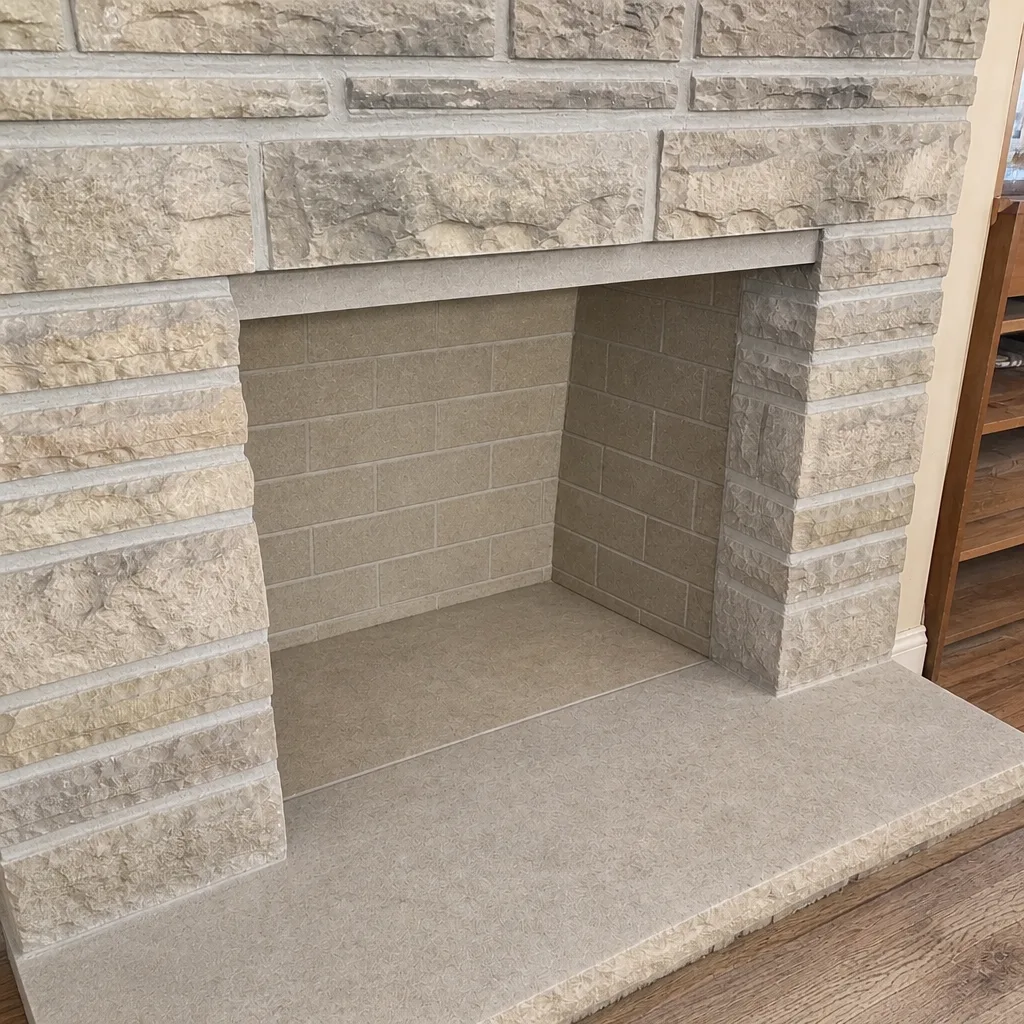
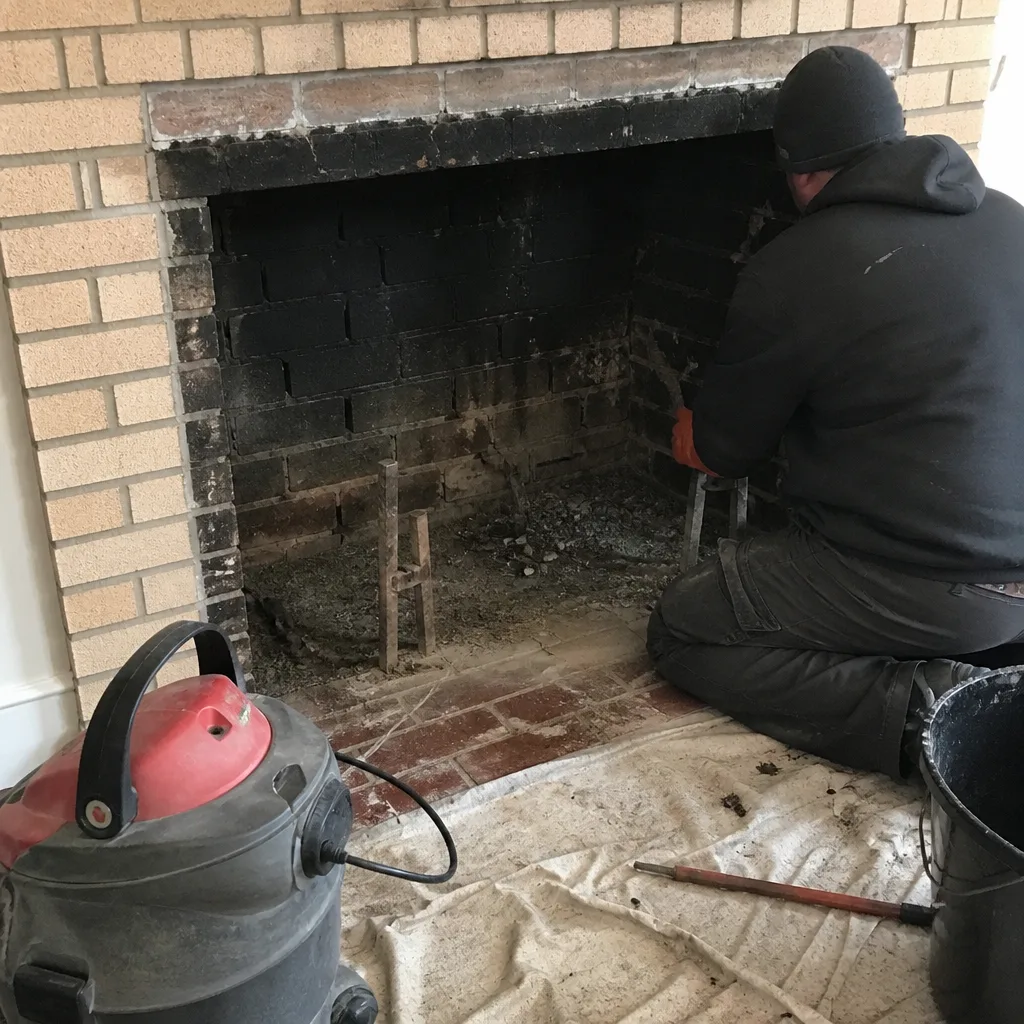
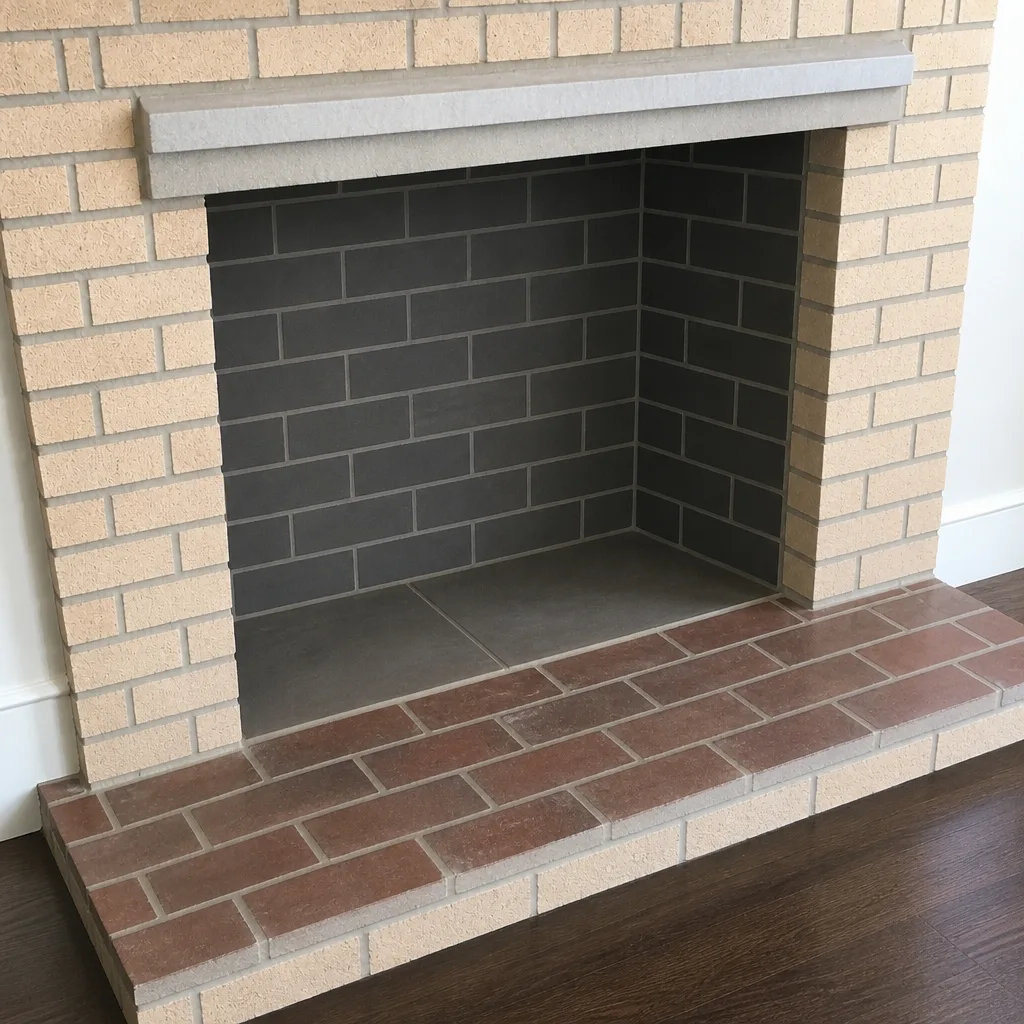
See the difference
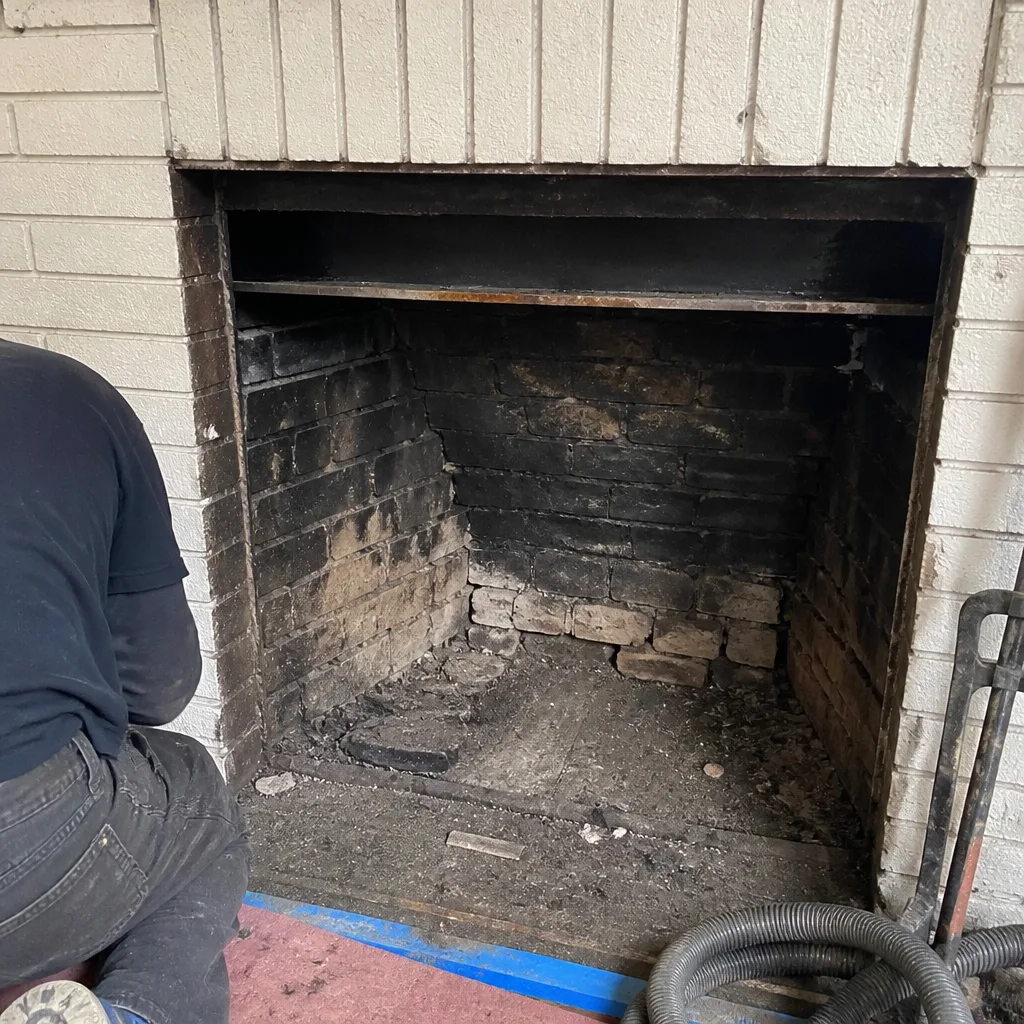 Before
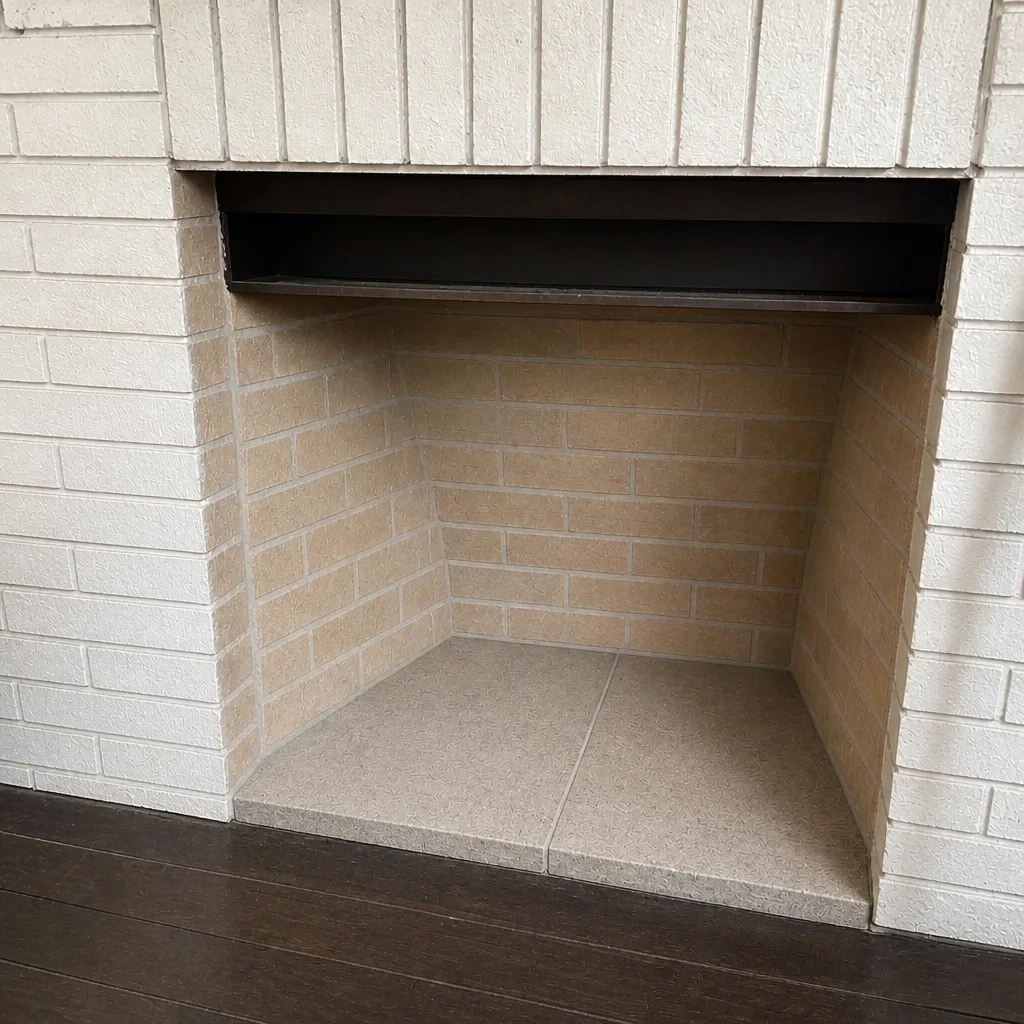 After
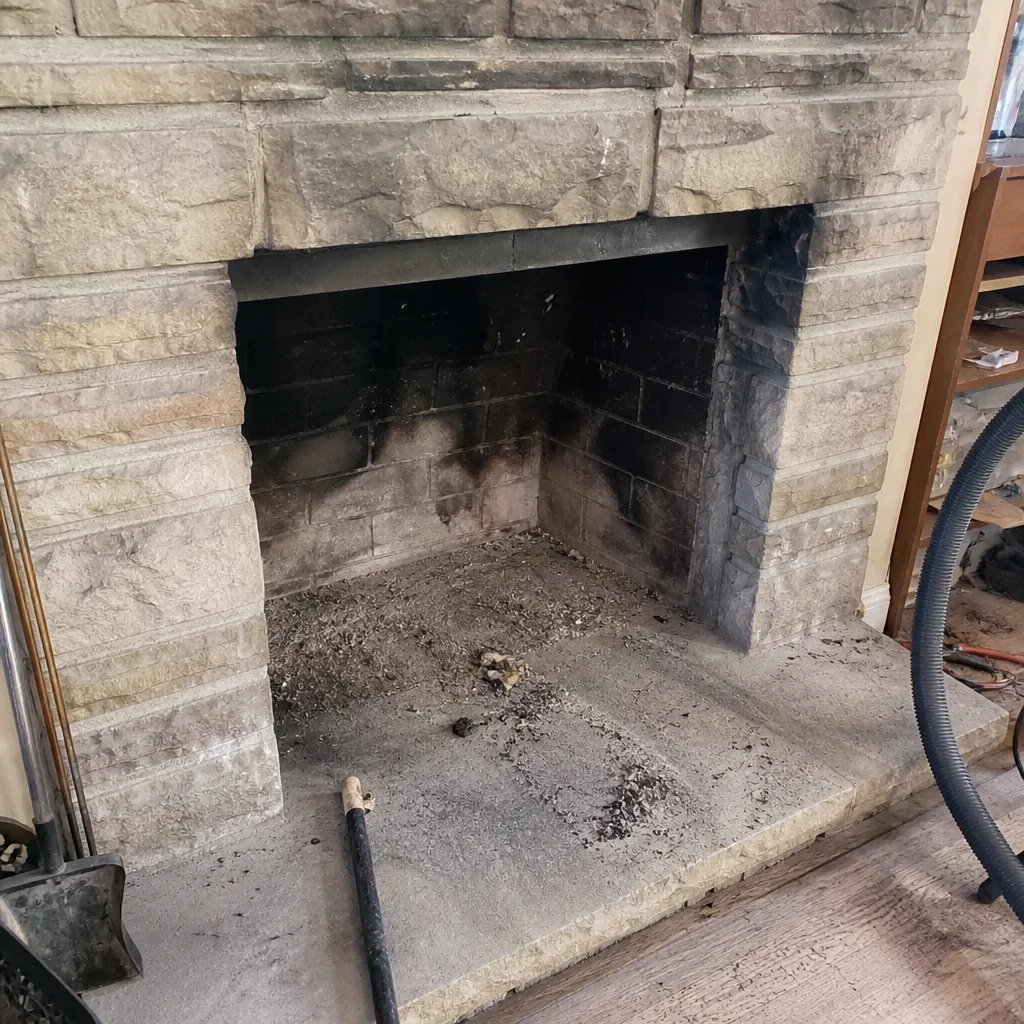 Before
 After
 Before
 After
When to Call a Professional
Some situations call for a professional, and material questions are part of the reason. If your chimney hasn’t been inspected in a while, an annual check is the starting point – – it establishes the baseline materials and condition. If you’ve noticed creosote buildup, a smoky draft, water stains on the ceiling near the chimney, or a cracked crown, the material selection needs to be specified, not guessed. If you’ve recently bought an older Fort Wayne home, the liner and masonry condition are worth documenting before the next heating season. And if a previous contractor recommended a liner or masonry repair you couldn’t verify, a second look with camera footage is worth the call.
Fort Wayne Chimney Sweep offers free estimates in Fort Wayne – – call (866) 589-6152. We answer 24/7. Fast dispatch from 7am to 7pm, Sunday through Friday.
Frequently Asked Questions
Professional sweeps use matched brush-and-rod systems with bristle types selected for the flue material – – polypropylene for stainless liners, appropriate heads for clay tile and masonry. It matters because the wrong brush can scratch a stainless liner or fail to clean the full surface of an offset flue. Hardware store brushes are generic and built for occasional use, which is fine for a straight modern flue and wrong for an older masonry chimney. Call (866) 589-6152 for an exact quote on a sweep – – estimates are free.
HeatShield is a ceramic resurfacing system for clay tile liners – – it seals cracks and restores a smooth interior without replacing the liner. Supaflex is a flexible liner category used when the flue has offsets that a rigid pipe can’t follow. A rigid stainless steel liner, like a DuraFlex system, is the standard specification for full relines on straight flues. The right choice comes from the camera inspection, not from preference. Call (866) 589-6152 to book an inspection – – estimates are free.
The best sealant for a Fort Wayne chimney crown is a flexible crown coating designed for exterior masonry, plus a breathable masonry sealant for the brick itself – – products like CrownCoat and ChimneySaver are built for that job. Breathability matters because a sealant that traps moisture inside the masonry is worse than no sealant in a freeze-thaw climate. Generic caulk is not a crown sealant and typically fails within a season or two. Call (866) 589-6152 for an exact quote – – estimates are free.
You should ask for materials in writing because it’s the only way to check the work against the plan – – specific liner systems, sealants, and crown coatings named on the written estimate. It also reveals how a company thinks. A specialist answers in product names and explains why each fits your chimney. A generalist either can’t name the materials or pivots to price. The written estimate sets the final price. Call (866) 589-6152 for an exact quote – – estimates are free.
A company that works with more product lines is more likely to match the material to your chimney rather than fitting your chimney to a single supplier’s solution. We work with six industry-recognized lines – – DuraFlex, HeatShield, Gelco, Olympia Chimney, Famco, and Copperfield – – because no two chimneys need the same fix. The recommendation follows the inspection. Call (866) 589-6152 to book an estimate – – it’s free.
The main red flags in chimney material selection are cheap unrated flex liner that doesn’t match the appliance rating, generic caulk used as a crown sealant, unrated firebox panels, and repair recommendations made without camera evidence you can see. A company that can’t name its brush system is another warning sign. None of these require technical expertise to spot – – they require the right questions. Call (866) 589-6152 for an exact quote – – estimates are free.
You need liner work only if the camera inspection shows the condition that justifies it – – cracks, gaps, spalling, or a rating mismatch with your appliance. Nothing should be recommended without camera evidence you can see for yourself. Ask what happens if the work waits. Sometimes it can safely wait; sometimes it can’t, and the footage tells you which. For an honest assessment in Fort Wayne, call (866) 589-6152 – – estimates are free.
The Bottom Line
The materials a chimney company uses are a verifiable quality signal. Brushes matched to the flue, liner systems specified by name, breathable sealants and flexible crown coatings chosen for Indiana’s freeze-thaw climate – – these are the technical decisions that separate a specialty job from a commodity service call. Ask for the materials in writing, ask what the inspection found, and ask to see the camera evidence. A specialist answers in specifics. A generalist hedges. In Fort Wayne, that conversation is the difference between a working fireplace and a fire hazard, and it’s worth having before the work begins. This is all we do – – which means we’re better at it.
Ready to get the materials specified for your chimney? Call Fort Wayne Chimney Sweep at (866) 589-6152 for a free estimate. We answer 24/7. Fast dispatch from 7am to 7pm, Sunday through Friday. We inspect it, clean it, and fix what we find – – same crew, same visit window.
Written by the team at Fort Wayne Chimney Sweep.