
Last updated November 15, 2026
 Sweep & inspection
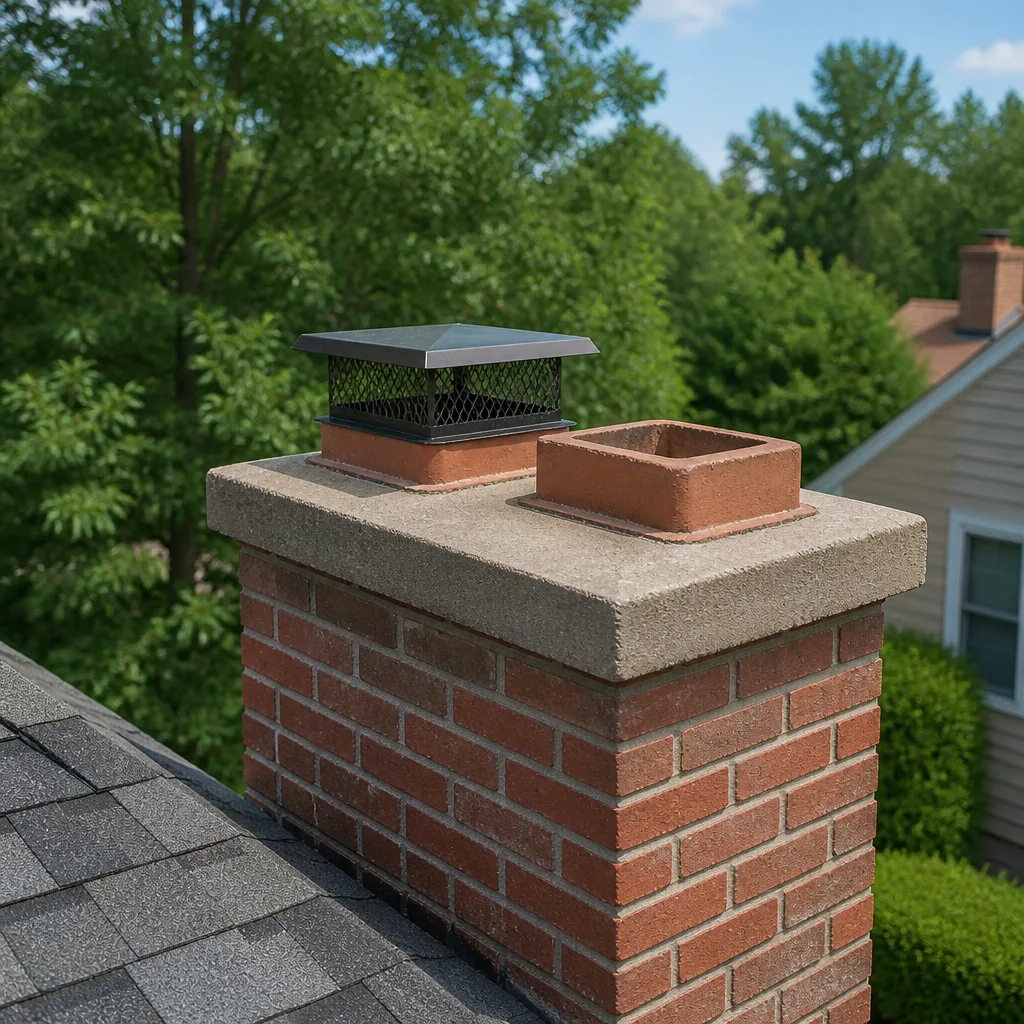
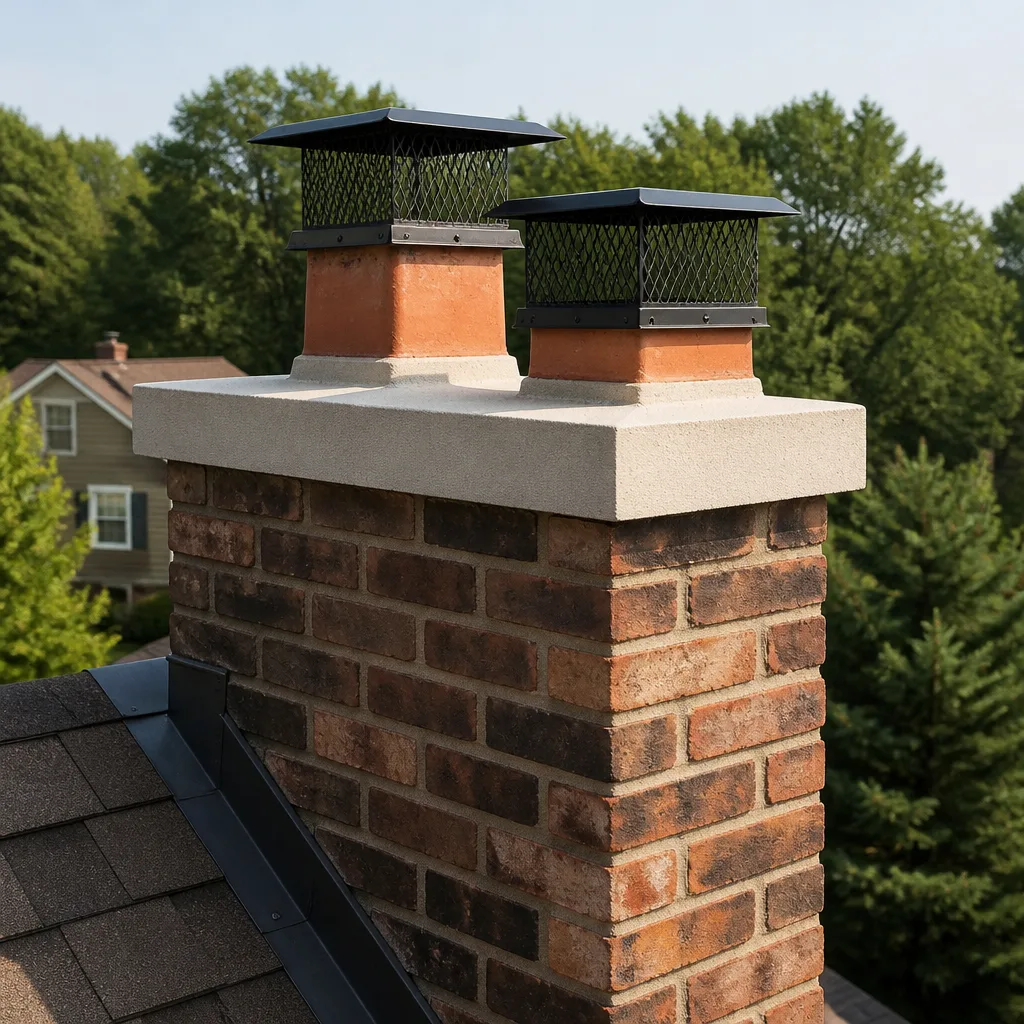 Caps & crowns
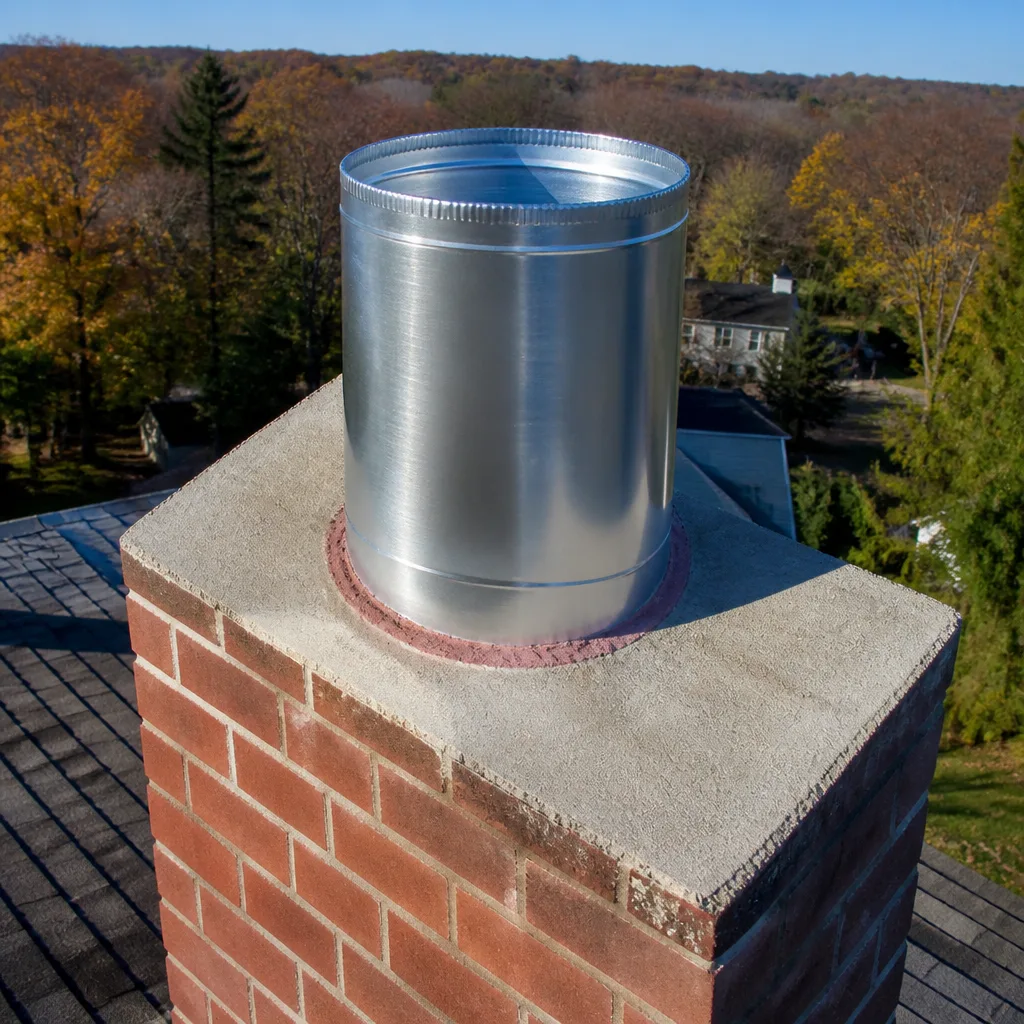 Flue relining
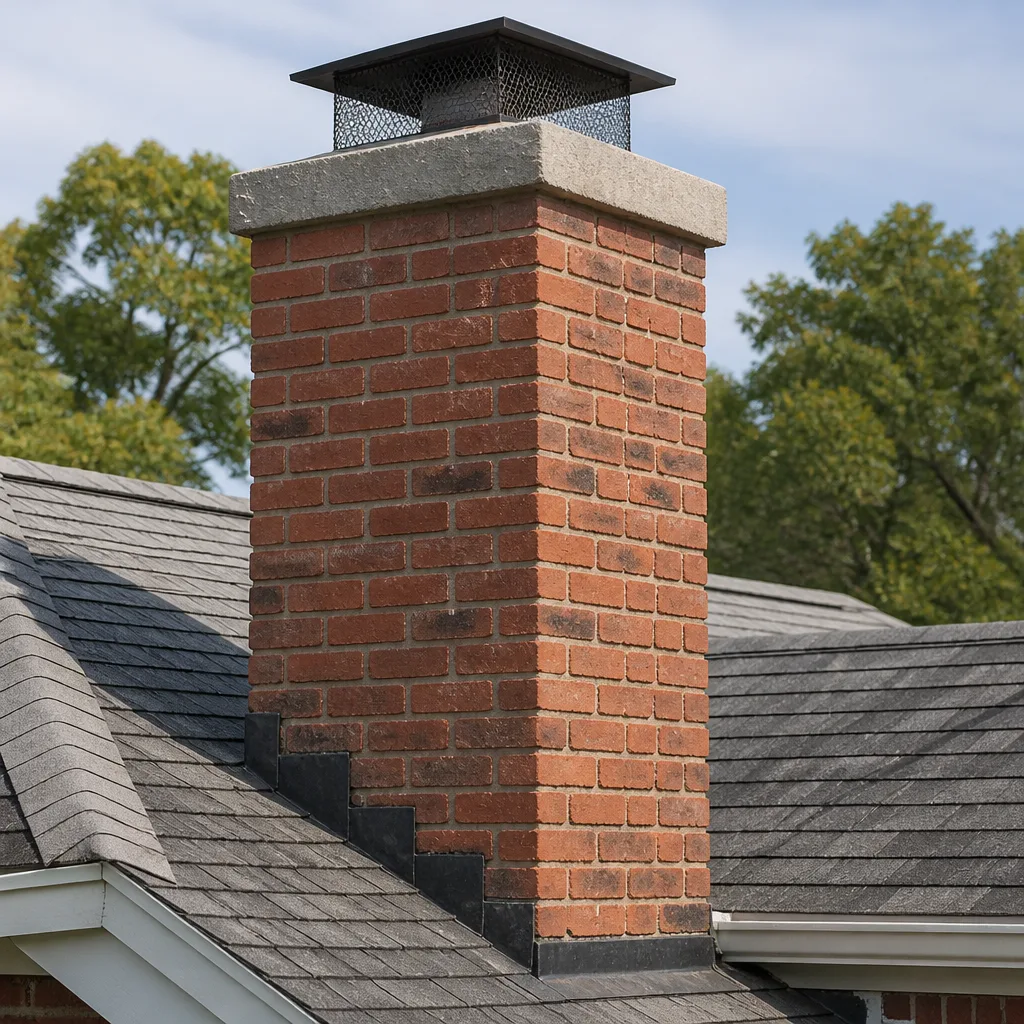 Masonry repair
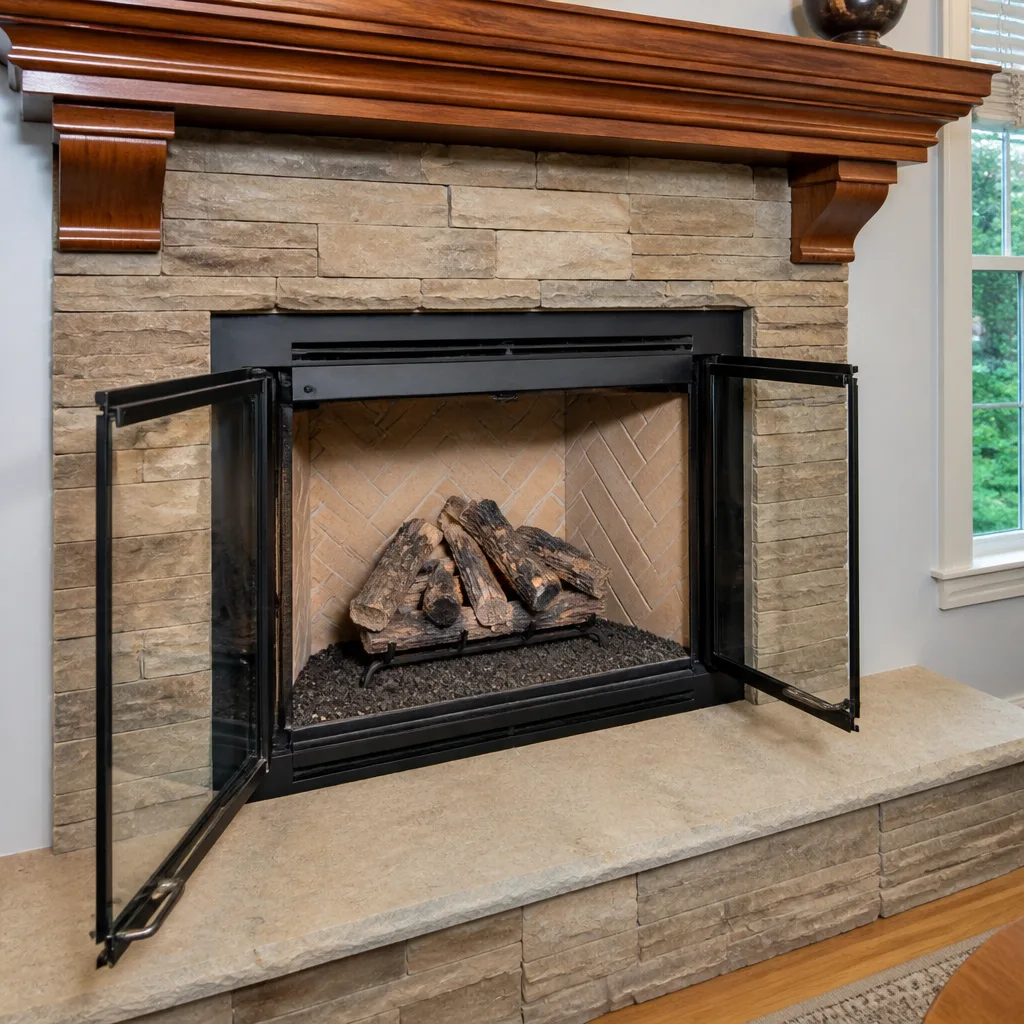 Gas fireplace service
Level 1 sweep and inspection to the NFPA 211 annual standard - flue, crown, cap, and flashing checked and photographed
Chimney sweep logs do not sweep chimneys. They loosen some creosote - which then falls where a brush and vacuum still have to collect it.
The Complete Guide to Chimney Cleaning in Fort Wayne
Most chimney fires don’t announce themselves with flames shooting from the roof. They burn slow and hot inside the flue liner while the homeowner watches TV, and the damage is done before anyone smells smoke that shouldn’t be there. Fort Wayne has a high percentage of pre-1980 masonry chimneys, and that older housing stock makes the quiet-fire scenario more likely here than in the newer subdivisions out on the edges of the county. In this guide we’ll walk through what a real cleaning involves, why Fort Wayne’s clay-heavy soil and freeze-thaw cycles change the schedule you should keep, how to read an inspection report, and when a finding means repair versus when it means nothing more than keeping an eye on it.
Quick Answer
Chimney cleaning in Fort Wayne means brushing and vacuuming the flue, firebox, smoke chamber, and damper to remove creosote and soot, paired with a camera inspection of the liner and cap. Most wood-burning fireplaces need it once a year, but older Fort Wayne masonry chimneys with oversized fireboxes and cracked clay tiles often need a look sooner after a hard winter. The cleaning is the easy part; the report you get afterward is what actually protects the house.
Styles & brands we work with
- Sweep & inspection
- Caps & crowns
- Flue relining
- Masonry repair
- Gas fireplace service
Table of Contents
- Why a Fort Wayne Flue Is a System, Not a Tube
- How Freeze-Thaw Cycles Crack Liners and Change Your Schedule
- Level 1, 2, and 3 Inspections: Which One You Need After an Indiana Winter
- Why Older Fort Wayne Fireboxes Make Creosote Faster
- What a Full Cleaning Cycle Actually Involves
- How to Read a Cleaning Report
- How Often Should You Schedule a Chimney Sweep in Fort Wayne?
- What Does Chimney Cleaning Cost in Fort Wayne?
Why a Fort Wayne Flue Is a System, Not a Tube
A chimney is not a hollow pipe that gets brushed once a year. It’s a working system of parts that interact: the firebox where the fire sits, the damper that controls the draft, the smoke chamber that funnels exhaust upward, the flue liner that carries it, and the cap and crown at the top that keep water and animals out. Change one part and the others behave differently. A cap that’s missing lets rain in, and rain degrades the mortar joints from the inside out. A crack in the crown sends water down behind the flashing. A liner tile that spalls after a freeze leaves a rough surface that catches creosote faster than the tile beside it.
When we inspect a chimney in Fort Wayne, we’re looking at all of those parts, not just whether the flue is sooty. The clay-heavy soils around Allen County hold moisture against foundations and chimney bases longer than sandy ground would, and that moisture finds its way into the masonry at the base of older chimneys. In our experience, the bottom third of the flue is where we find the most spalling and the most failing mortar in this region. A cleaning that ignores the base of the stack is only addressing the part of the system you can see from the roof.
This is the reason we treat a chimney sweep as a diagnostic visit with a cleaning built into it. The brush pass removes the fire hazard; the inspection around it tells you what’s actually going on with the masonry, the liner, and the venting. If you want the broader picture on how this works as a service, the chimney sweep page covers the whole cycle from booking through the written report.
How Freeze-Thaw Cycles Crack Liners and Change Your Schedule
Fort Wayne gets hard winters, and hard winters do specific damage to clay flue tiles. When moisture gets into a hairline crack in a tile and then freezes, it expands and widens that crack. Then it thaws, water gets in deeper, and it freezes again. Do that over a single Indiana winter and a hairline crack becomes a real opening. Do it over several winters and a tile can spall, shift, or separate at the joint.
What that means for cleaning frequency is practical. A chimney that looks fine in October may not be fine in March. The expansion and contraction cycle has been working on the masonry for five months, and the flue you inspected before the heating season is not the same flue you have after it. For Fort Wayne homeowners on a once-a-year schedule, we recommend that the annual visit happen in late summer or early fall, before the first fire, precisely because the post-winter condition is what you want to correct before you start burning again.
If you burn heavily through the season, or if your chimney was flagged for a hairline crack last year, the fall visit isn’t just a cleaning. It’s a re-check of that finding. Here’s what the annual sweep needs to confirm after a freeze-thaw winter:
- The liner tiles still line up. A shifted tile creates a gap where heat and gases can reach the framing.
- The mortar joints between tiles are intact. Joints erode faster than tile faces do in this climate.
- The crown at the top of the stack is still shedding water. A cracked crown is a slow leak into the flue every time it rains.
- The flashing where the chimney meets the roof is still sealed. Water tracking down the exterior is the most common source of masonry damage we find in Fort Wayne.
- The cap and spark screen are intact and clear. A blocked cap is a carbon monoxide problem, not a draft nuisance.
If a tile has cracked or shifted, the fix isn’t always a full reline. Ceramic flue resurfacing with HeatShield is a repair method that can restore a cracked flue and extend its life without the cost of a complete relining job. Not every liner qualifies for it, but it’s worth knowing the option exists before you accept a full-relining quote on the spot.
Level 1, 2, and 3 Inspections: Which One You Need After an Indiana Winter
Chimney inspections come in three recognized levels, and knowing which one applies to your situation tells you a lot about whether a company is being straight with you. A company that only ever quotes one level for every job isn’t inspecting; it’s running a script.
Level 1 Inspection
A Level 1 inspection covers the readily accessible parts of the chimney and venting: the firebox, damper, flue from below, and the visible portions of the exterior. It’s what you get alongside a routine annual cleaning when nothing has changed since the last visit. Same fireplace, same fuel, no known problems. In Fort Wayne, a Level 1 fits the typical wood-burning fireplace that hasn’t been altered and has no history of trouble.
Level 2 Inspection
A Level 2 inspection adds a video camera scan of the flue interior and access to the attic and crawl spaces where the chimney passes through. You need a Level 2 when something has changed: a new appliance, a chimney that changed fuel type, a home you just purchased, a chimney that survived a chimney fire or a significant weather event, or a flue that hasn’t been looked at with a camera in a while. After a hard Indiana winter, a Level 2 is often the honest choice for an older masonry chimney, because the freeze-thaw damage worth finding lives inside the flue where a flashlight can’t reach.
Level 3 Inspection
A Level 3 inspection is a diagnostic investigation that may require opening a wall or removing part of the chimney to access concealed areas. It’s reserved for situations where a serious hazard is suspected and the only way to confirm it is to get physical access. Most homeowners never need one. When a company recommends a Level 3, they should be able to tell you exactly what they suspect and why a camera scan wasn’t enough to settle it.
Here’s a simple way to decide: if you’ve had a chimney fire (even a small one), changed how you use the fireplace, bought the house without a chimney record, or you’re not sure when the flue was last camera-scanned, ask for a Level 2. If it’s the same fireplace, burning the same wood, and you’re just keeping your annual appointment, a Level 1 with the cleaning is the right call. The full comparison of how we run these inspections is on our chimney repair page, since most of what an inspection turns up falls into the repair category.
Why Older Fort Wayne Fireboxes Make Creosote Faster
Creosote is the residue left behind when wood smoke cools before it leaves the flue. It builds in three forms: a light soot you can brush away, a flaky crust, and a hard, glazed deposit that has to be removed with more than a brush. The third form is the one that matters, because glazed creosote is the fuel for the slow, hot chimney fire described at the top of this guide.
The rate at which creosote accumulates depends on the relationship between your firebox and your flue. Older Fort Wayne masonry fireplaces were often built with generously sized fireboxes and wide flues, sized for the coal or wood stoves of an earlier era. Those big openings were designed for a different fuel and a different burn pattern. Today’s homeowner burns smaller, hotter fires in a firebox that was built for something much larger, and the smoke lingers longer in a wide, cool flue before it exits. Cooler smoke means more condensation on the flue walls. More condensation means faster creosote.
A modern insert is a tighter system. It has a defined firebox, a controlled air supply, and a properly sized stainless liner that keeps the exhaust gas hot all the way to the top. That’s why an insert setup often accumulates creosote more slowly than the open hearth next door. But an insert has its own requirements, and the liner inside it has to be sized and installed correctly to work. Full relining with a DuraFlex system is what we install when an older chimney needs that proper liner, and it’s the difference between a fireplace that vents cleanly and one that keeps sooting up no matter how often you sweep it.
In practice, the older open fireplaces we see around Fort Wayne benefit from being checked for glazed creosote by camera, not just brushed and assumed clean. Brushing the top layer off a glazed deposit doesn’t remove the hazard underneath. If the flue scan shows glazing, the cleaning stops being routine and becomes a creosote removal job.
What a Full Cleaning Cycle Actually Involves
A real chimney cleaning is a sequence of steps, not a single brush pass. The brush is one stage of a process that starts at the top of the chimney and ends with the firebox floor swept clean and a written report in your hand. Here’s what the cycle looks like when it’s done properly:
- Protect the room. Drop cloths and a sealed plastic barrier around the firebox keep soot and dust out of your living space. The vacuum runs continuously through the whole job.
- Inspect the cap and the top of the stack. Before anything goes down the flue, the cap, spark screen, crown, and flashing are checked. A blocked cap or a cracked crown changes the plan for the rest of the visit.
- Run the flue brush top-down. An appropriately sized brush is worked through the flue from the roof to break up soot and creosote. The flue size matters; the wrong brush either misses the walls or damages the tile.
- Brush the firebox and smoke chamber. The smoke chamber is the sloped area above the damper and below the flue, and it’s the most overlooked part of a cleaning. Creosote collects in the corbelled shelf of that chamber and brushing the flue alone leaves it there. This is where a company that only sweeps the pipe falls short of a full cleaning.
- Clean the damper. The damper plate, frame, and pivot get brushed and checked for smooth operation. A damper that doesn’t open fully or close tight is a draft problem and a heat-loss problem.
- Camera-scan the liner. A video scan of the flue interior documents the condition of the tiles and joints, and it’s the evidence you’ll want when a repair is discussed.
- Sweep out the firebox floor and haul out the soot. The ash and debris go into sealed bags, and the room is left as we found it.
- Document with a photo report. You get the camera images and a written summary of what was found and what condition each part of the system is in.
That last step is what separates a cleaning from a diagnostic visit. A chimney sweep who can’t do the repair is only half the job, and a sweep who can’t document the condition is leaving you to take their word on faith. Our Fort Wayne Chimney Sweep team does the whole cycle, inspection through cleaning through the repair if one is needed, so you’re not handed off to a second contractor after the flue brush comes down.
One more thing worth knowing: the cleaning report isn’t a sales document. It’s a record. Keep it with your house documents; when you sell the home, a documented cleaning history is worth more than a verbal “we’ve always had it swept.”
How to Read a Cleaning Report
A cleaning report is only useful if you can tell the difference between a finding that needs action now and a finding that can wait. Most of the confusion we hear from Fort Wayne homeowners comes from reports that list conditions without saying what each one means.
Here’s how to sort the findings you’re likely to see:
- Needs repair now. A cracked or missing flue tile, a glazed creosote deposit heavy enough to fuel a chimney fire, a cracked or blocked crown, a damper that won’t open, or a cap that’s missing or crushed. These aren’t monitoring items. A missing tile seam allows heat to reach the framing around the chimney, and glazed creosote is the hazard the cleaning was supposed to address.
- Repair when convenient, monitor this season. Hairline cracks in a surface that don’t open into the flue, light sooting that cleans up easily, minor mortar erosion at a joint. It’s worth noting and worth a re-check at the next sweep, but it isn’t a call-you-tonight situation.
- Monitor only. Cosmetic wear, minor rust on an exterior component, an aging cap that still functions. Note the date and check it again next year.
What you should never accept is a report that jumps from “your flue is in rough shape” to a five-figure reline quote without showing you the camera images. The linchpin here is evidence you can see. If a report flags the liner, ask to look at the scan with the technician and have them point to the exact joint or tile that’s damaged. A genuine finding holds up to that. A finding that can’t be pointed to on the screen is one you should ask about, or get a second opinion on, before you commit.
At Fort Wayne Chimney Sweep we don’t recommend work without camera evidence you can review yourself, and we’ll tell you plainly when a finding can safely wait. If a repair is needed, we handle it in-house, using the material lines that fit the chimney rather than a single supplier’s solution, whether that’s Gelco for a flue repair, Olympia Chimney and Famco for the components that complete the venting, or a full DuraFlex liner for a chimney that needs one. That’s why we carry several brands: no two chimneys need the same fix.
How Often Should You Schedule a Chimney Sweep in Fort Wayne?
For most Fort Wayne homes, once a year is the right cadence for a wood-burning fireplace. The general rule the trade works from is annual cleaning and inspection, and homes that burn regularly are the ones that benefit most from keeping to it. But “annual” is a baseline, not a universal answer.
Here’s what shifts the schedule earlier or adds a visit:
- You burn more than a couple of cords a season. Heavy burning deposits creosote faster, and a midseason re-check is worth it.
- Your chimney predates 1980 with an oversized firebox. As covered above, the wide, cool flue condenses smoke faster and accumulates creosote sooner than a modern insert setup.
- The chimney has a known crack or a flagged joint. That finding moves it out of the annual routine and into a re-check after each winter.
- You’ve had any chimney fire, even a small one. The flue needs a camera inspection afterward, which means a Level 2, not a routine cleaning.
- You just bought the house. You don’t have the chimney’s history, so a Level 2 with camera evidence establishes a baseline you can trust going forward.
- You burn green or unseasoned wood. Wet wood produces cooler smoke, and cooler smoke condenses into creosote faster. Seasoned wood makes a real difference to how much accumulates between visits.
A gas fireplace or insert is a different case. It doesn’t produce creosote the way wood does, but its venting and the components around it still need inspection, and a flue that was sized for wood and had a gas appliance dropped into it is a common source of trouble in older Fort Wayne homes. We check those systems for proper venting and, if a change was made, recommend a Level 2 to confirm everything lines up. Scheduling around late summer is the practical move: it lands the clean flue and the current report right before the burning season starts, and it gives you time to handle any repair before the weather closes in on the roof.
What Does Chimney Cleaning Cost in Fort Wayne?
Chimney cleaning in Fort Wayne is priced per job by a written estimate, and the estimate is free. There’s no single number that fits every chimney, because the job depends on how much creosote has built up, whether the flue is glazed, how accessible the roof is, and what the inspection turns up. A straightforward cleaning on a well-maintained open fireplace is one thing; a glazed flue on a hundred-year-old masonry chimney is a different, longer visit.
The important thing to understand about cost is the split between cleaning and repair. Cleaning is a routine, recurring expense. Repair is a project, and its cost depends on the method: spot repair to a flue tile, ceramic resurfacing to restore a cracked flue, or a complete reline when the existing liner can’t be saved. A company that quotes a cleaning fee and then a separate repair charge is showing you the difference, which is how it should be. What you shouldn’t accept is a cleaning quote that turns into a repair quote on the spot with no camera evidence to justify it.
The estimate is written, and the price is set per job by that estimate before anything is booked. That’s what you compare when you call around. Call (866) 589-6152 for an exact quote. Estimates are free, and we’ll tell you when the work can safely wait.
Common Mistakes to Avoid
- Treating the brush pass as the whole cleaning. A sweep that only brushes the flue leaves the smoke chamber and firebox uncleaned, and the smoke chamber is where a lot of the creosote collects. Ask what the cleaning includes before you book.
- Assuming a pre-winter look means the chimney is fine for next winter. The freeze-thaw cycle does its work between October and March. The inspection that matters most is the one that happens before the next burning season, not the one that happened before the last one.
- Accepting a reline quote without seeing the camera scan. If a report recommends a full liner replacement, the technician should be able to point to the exact damage on the video. A repair finding you can’t verify is a repair finding to question.
- Skipping the cap. A missing or damaged cap lets rain in, and rain-soaked masonry loses more to freeze-thaw than dry masonry ever will. In this region a cap pays for itself in preserved mortar joints.
- Burning unseasoned wood to save on fuel. Wet wood smokes cooler, condenses more creosote on the flue walls, and pushes you back to the cleaner sooner. Seasoned wood is a chimney-cleaning tactic as much as a heating one.
- Waiting on a glazed flue because “it’s still drawing.” A glazed flue with good draft is a working fire hazard. Draft has nothing to do with whether the creosote can ignite.
- Hiring a general handyman for a chimney job. A generalist who sweeps the flue but can’t do the liner and smoke chamber work is only half the job. Chimney work is a specialty trade for a reason.
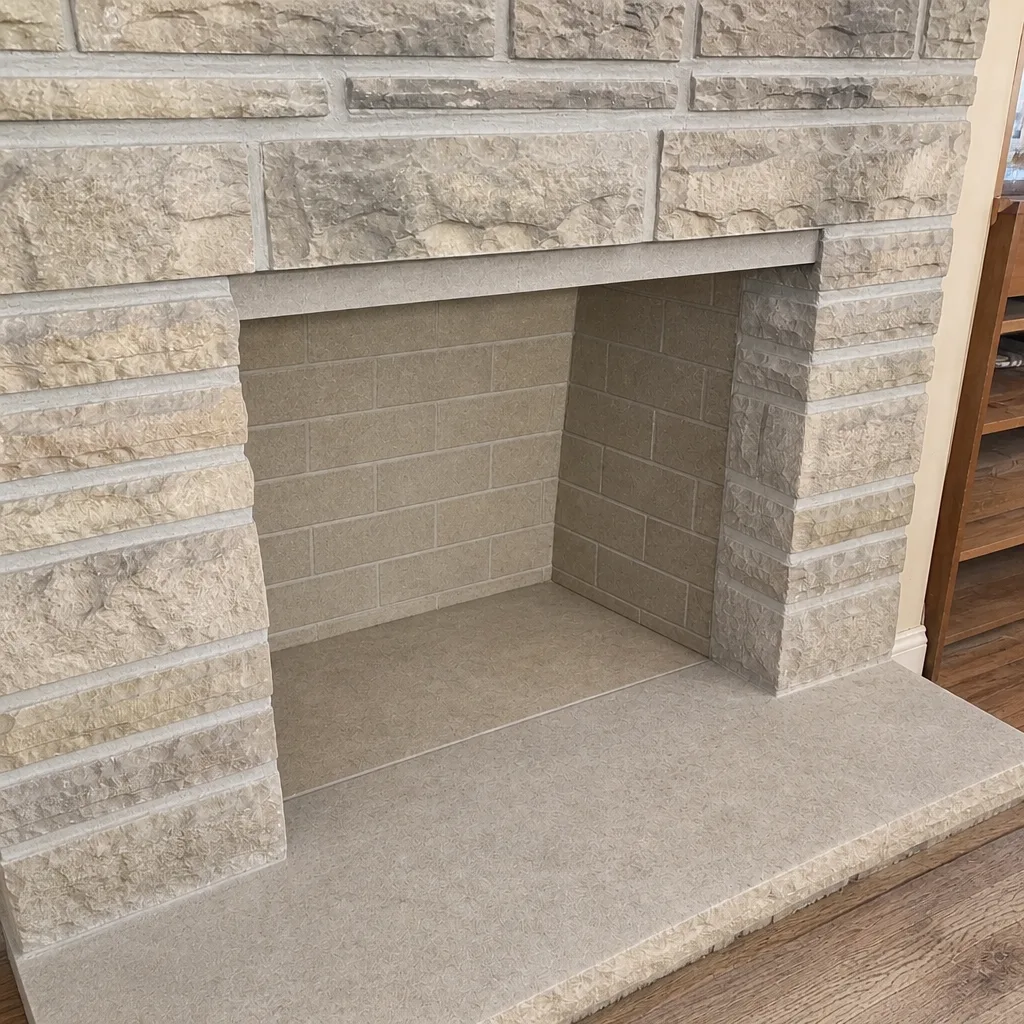
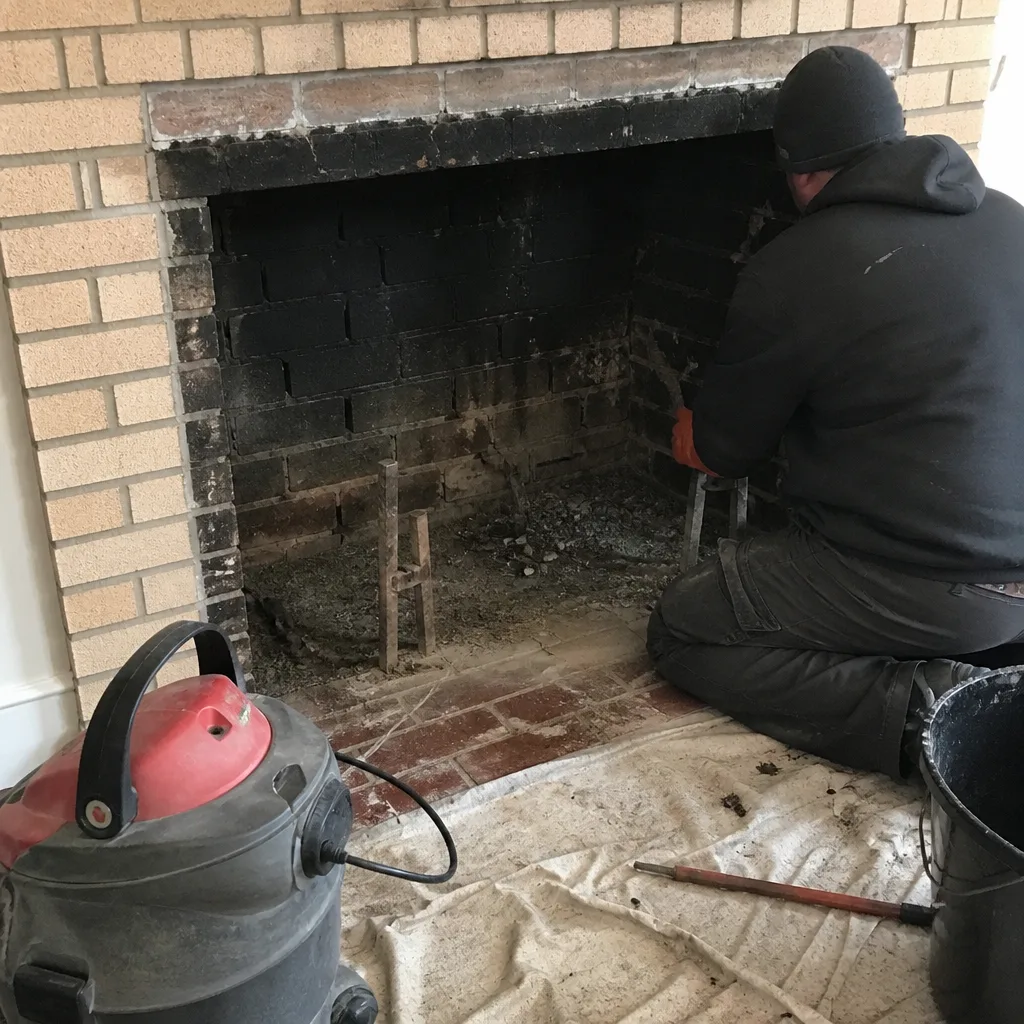
See the difference
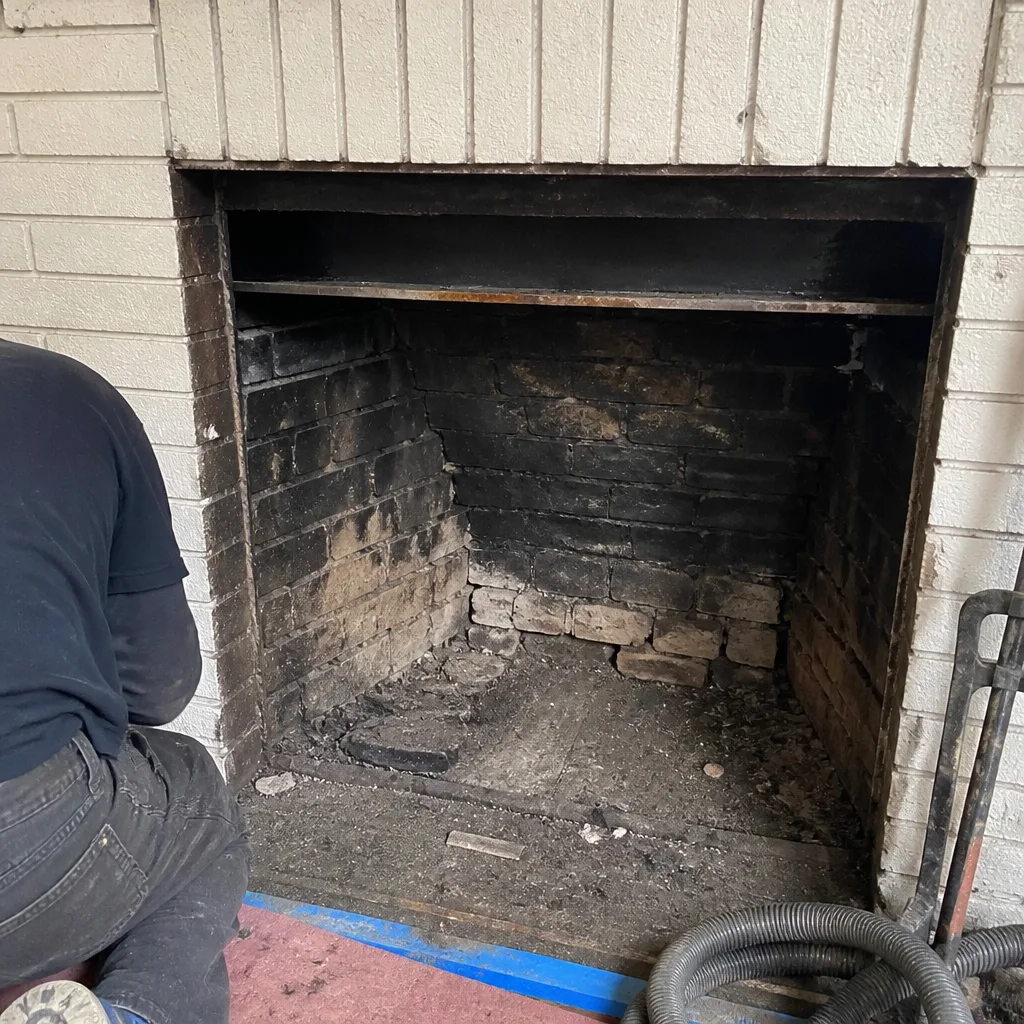 Before
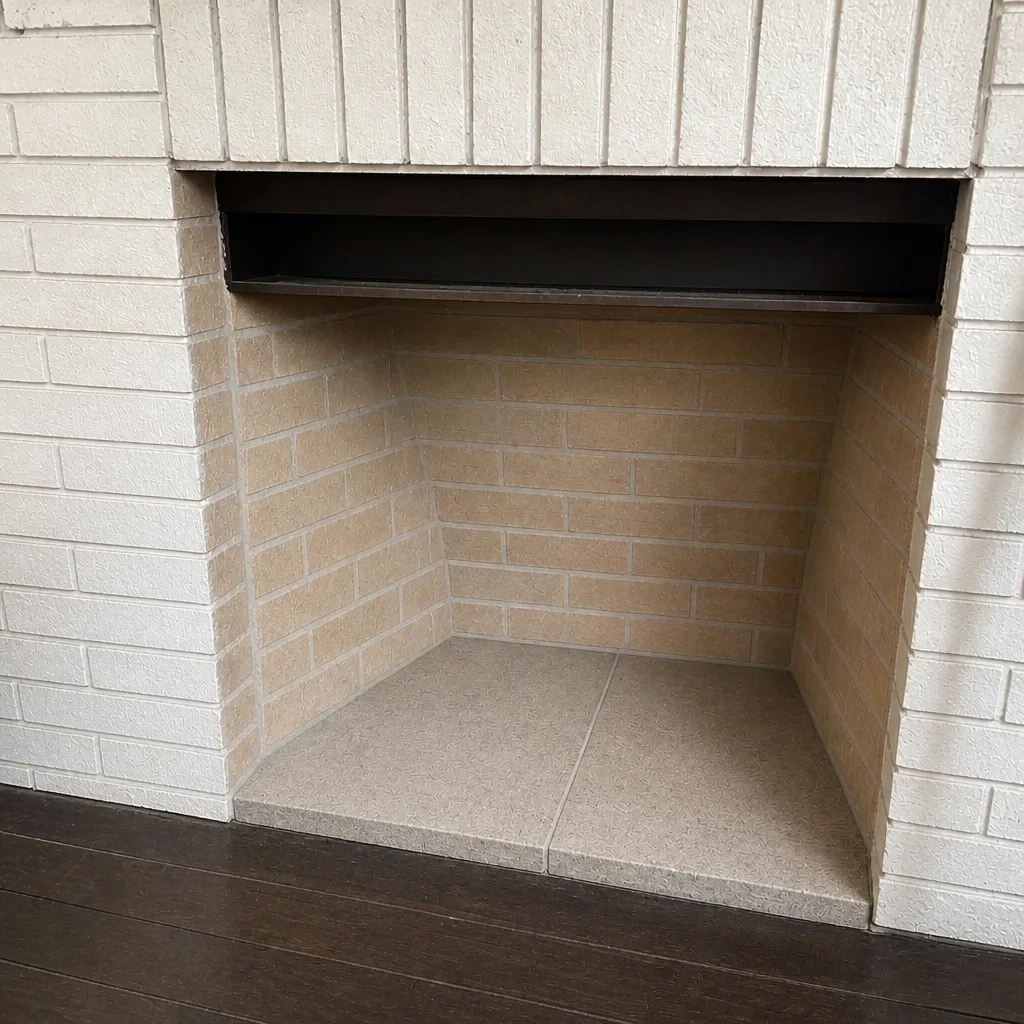 After
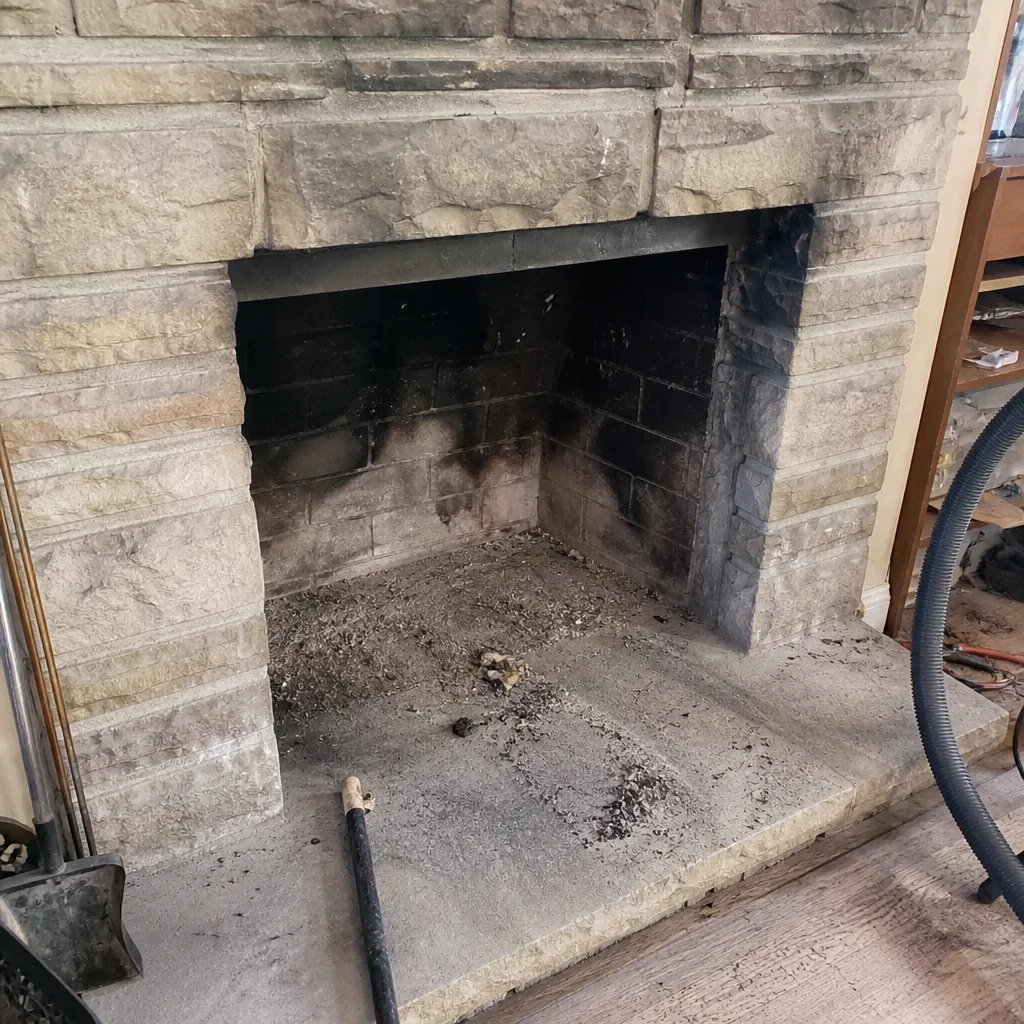 Before
 After
 Before
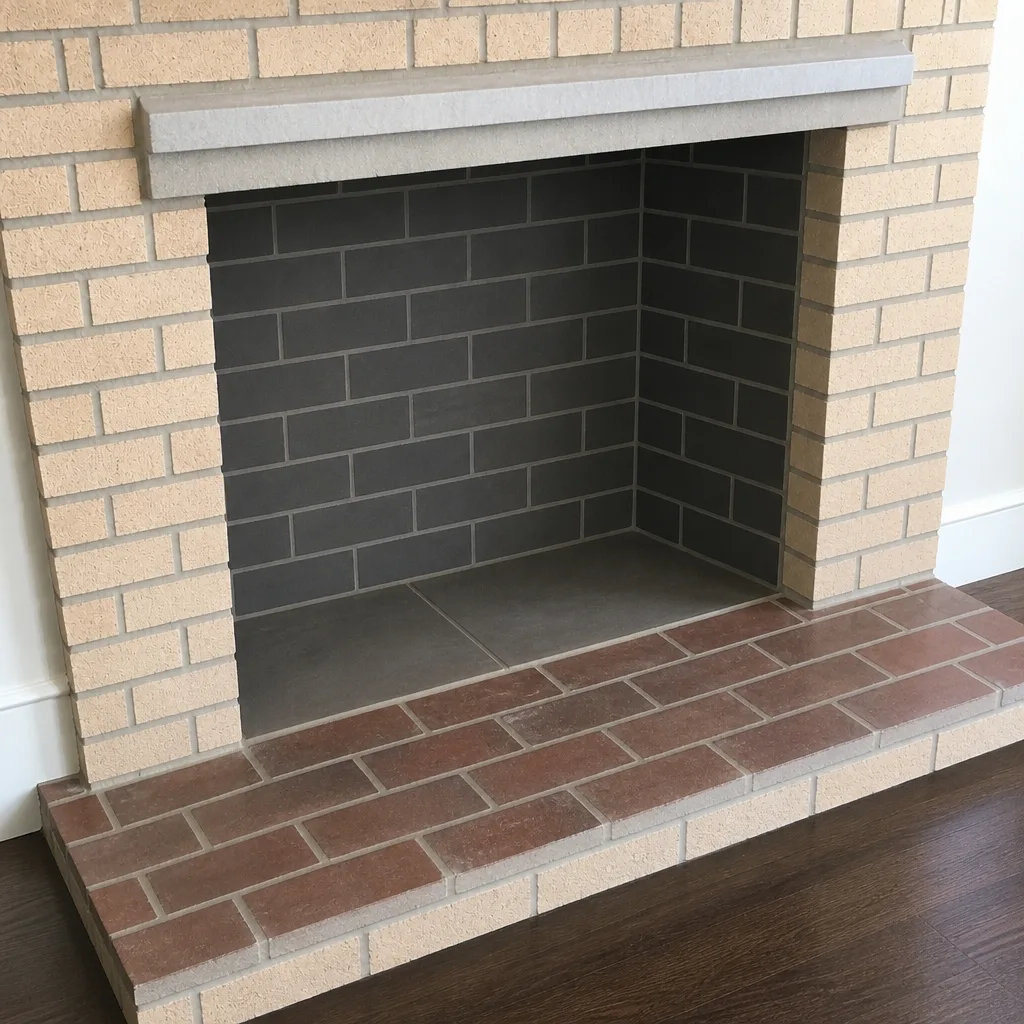 After
When to Call a Professional
Some situations want a professional rather than a wait-and-see. Call when you smell a strong, sharp, tar-like odor from the fireplace, when smoke rolls back into the room instead of going up, when the firebox or the wall around the chimney feels hot to the touch, or when you can see damaged tiles inside the flue. Call after any chimney fire, even a small one; the flue needs a camera inspection afterward. Call if you’ve just bought the house and don’t have a cleaning record. And call if it’s simply been more than a year since the last cleaning, because the annual visit is the cheapest insurance a chimney has. The general condition of the flue is the thing to keep an eye on, and a professional can tell you what’s actually going on.
Fort Wayne Chimney Sweep offers free estimates in Fort Wayne, with inspection, cleaning, and repair handled by the same crew. Call (866) 589-6152. We answer 24/7. Fast dispatch from 7am to 7pm, Sunday through Friday. Our technicians have up to experience.
Frequently Asked Questions
Chimney cleaning in Fort Wayne is priced per job by a written estimate, and the estimate itself is free; there’s no flat number that fits every flue because buildup, glazing, and roof access all affect the job. Call (866) 589-6152 for an exact quote, and we’ll tell you what the visit will involve. If the inspection turns up a repair, that repair is quoted separately, with the camera images in front of you.
Once a year is the baseline for a wood-burning fireplace in Fort Wayne, ideally in late summer or early fall before the burning season starts. Homes with older, oversized masonry fireboxes, heavy burn schedules, or a previously flagged crack should plan on a re-check after winter, which means a camera inspection, not just a cleaning. If you burn more than a couple of cords a season, ask about a midseason look.
You need it when the camera scan shows damage the liner can’t safely contain, such as a cracked or shifted tile, a failed joint, or a glazed deposit the flue can’t shed. The right answer depends on what the scan shows, which is why we don’t recommend a liner repair without evidence you can review. When the damage allows it, ceramic resurfacing with HeatShield can restore the flue and extend its life without the cost of a full reline.
Creosote keeps building, and the freeze-thaw cycle keeps working on any crack that’s already there, so skipping a year doesn’t just add soot, it lets existing damage get worse. The real risk is a slow chimney fire in a flue that’s carrying a heavy deposit behind a weakened liner. A skipped cleaning is the reason a routine visit sometimes turns into a repair quote. Call (866) 589-6152 and we’ll tell you honestly where your chimney stands.
Not always. A slow-burning chimney fire can run hot inside the flue without the roar and the flames out the top that people picture, and the first sign is often damage found later during an inspection. Any chimney fire, however small it seemed, calls for a Level 2 inspection with a camera before the fireplace is used again. If you’re not sure whether something happened, a scan settles it.
Freeze-thaw cycles drive water into hairline cracks in the clay tiles, expand it, and widen those cracks over the winter, so a flue that looked sound in fall may not be sound by spring. That’s why we recommend the annual visit land before the burning season and treat any previous finding as something to re-check, not something to assume is resolved. It’s also why a proper cap and a sound crown matter as much here as the flue brush does.
The Bottom Line
A chimney in Fort Wayne is a system shaped by its climate and its housing stock, not a universal tube that gets brushed once a year. The freeze-thaw cycle widens hairline cracks in clay tiles over a single winter, older oversized fireboxes build creosote faster than modern inserts, and the smoke chamber is the part a basic cleaning leaves behind. A real cleaning is a full cycle with a camera scan and a written report, and that report is what tells you whether a finding needs repair now or can wait. Call (866) 589-6152 for a free estimate. We answer 24/7. Fast dispatch from 7am to 7pm, Sunday through Friday, to book a Fort Wayne inspection or cleaning.
Written by the team at Fort Wayne Chimney Sweep.