
Last updated November 15, 2026
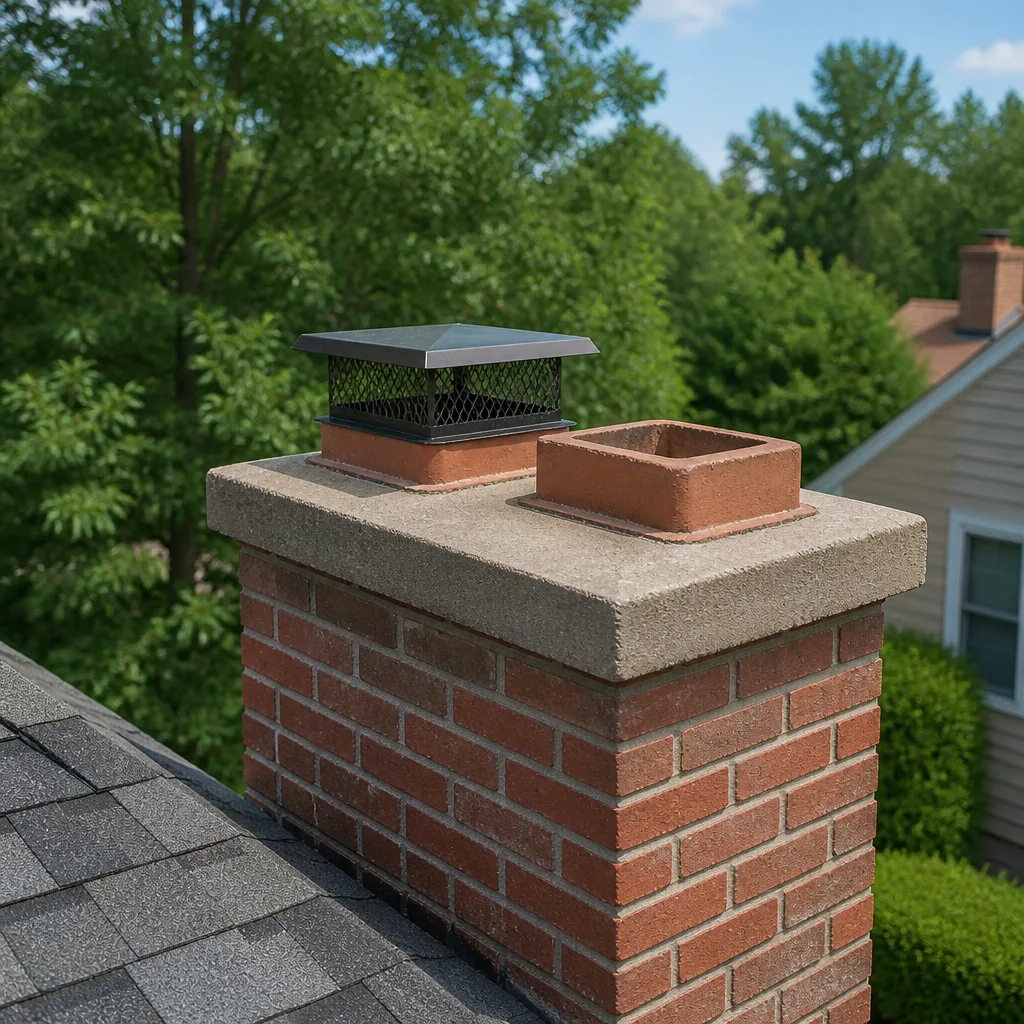 Sweep & inspection
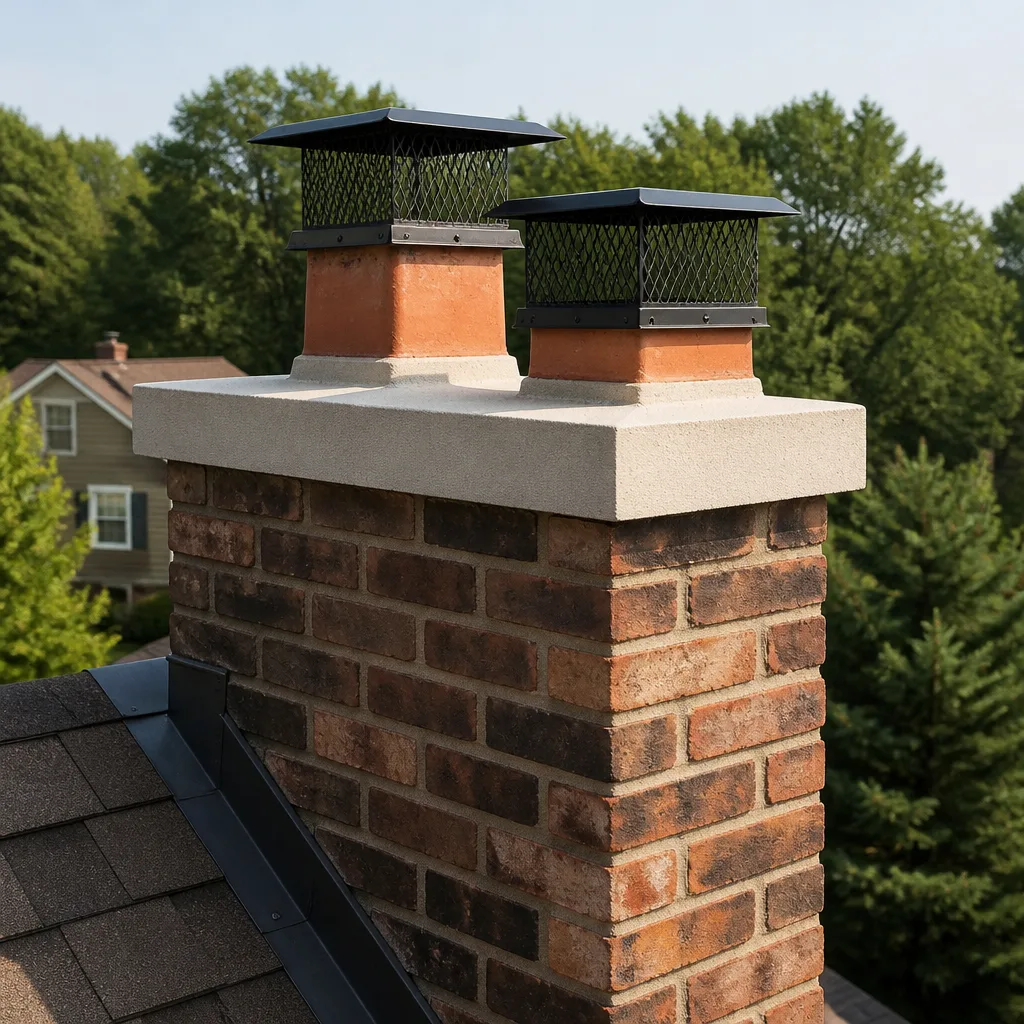 Caps & crowns
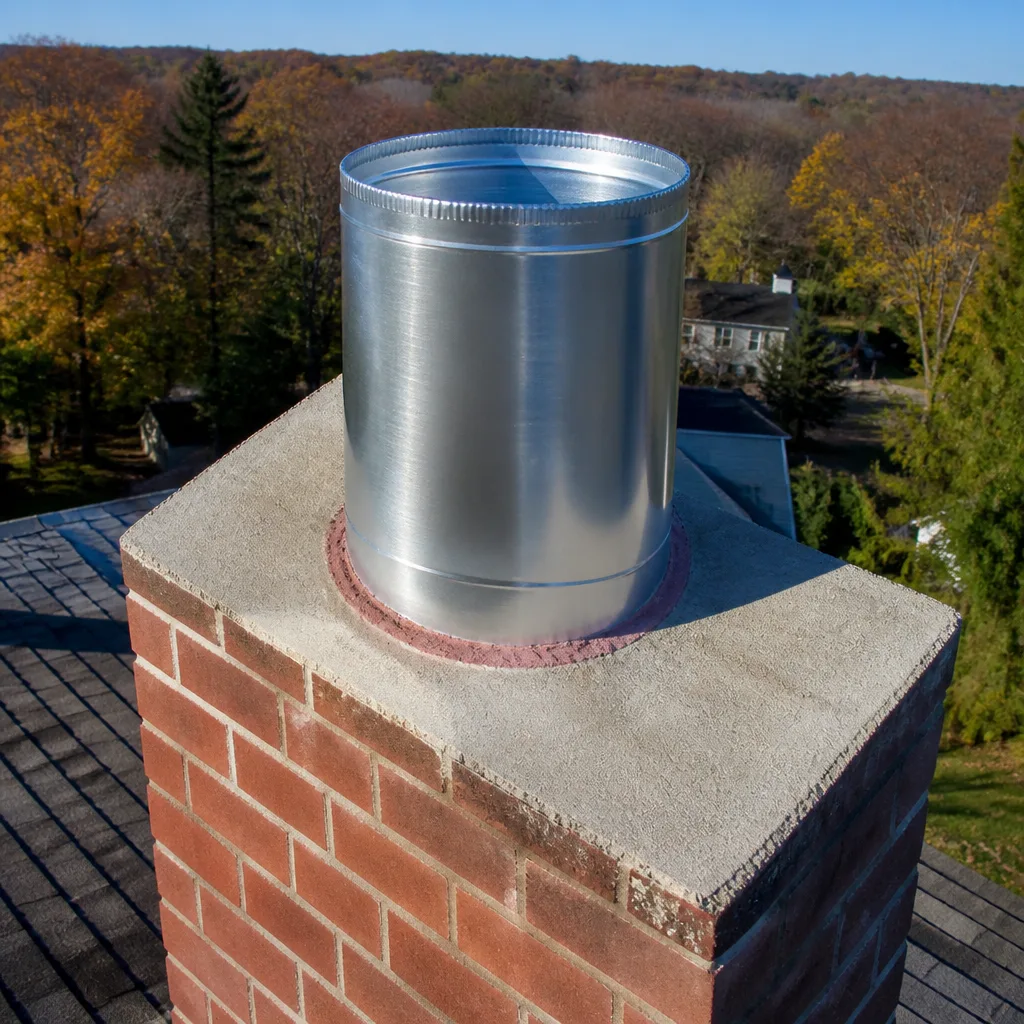 Flue relining
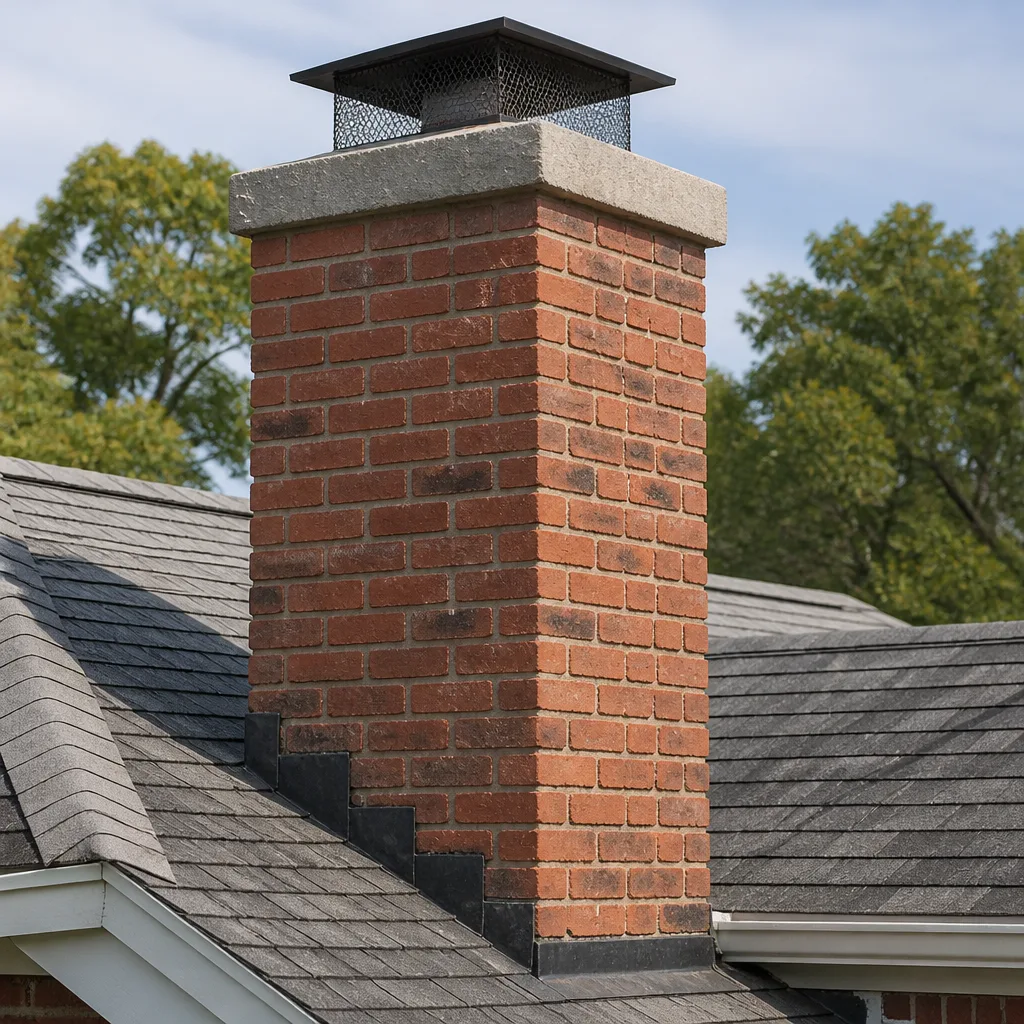 Masonry repair
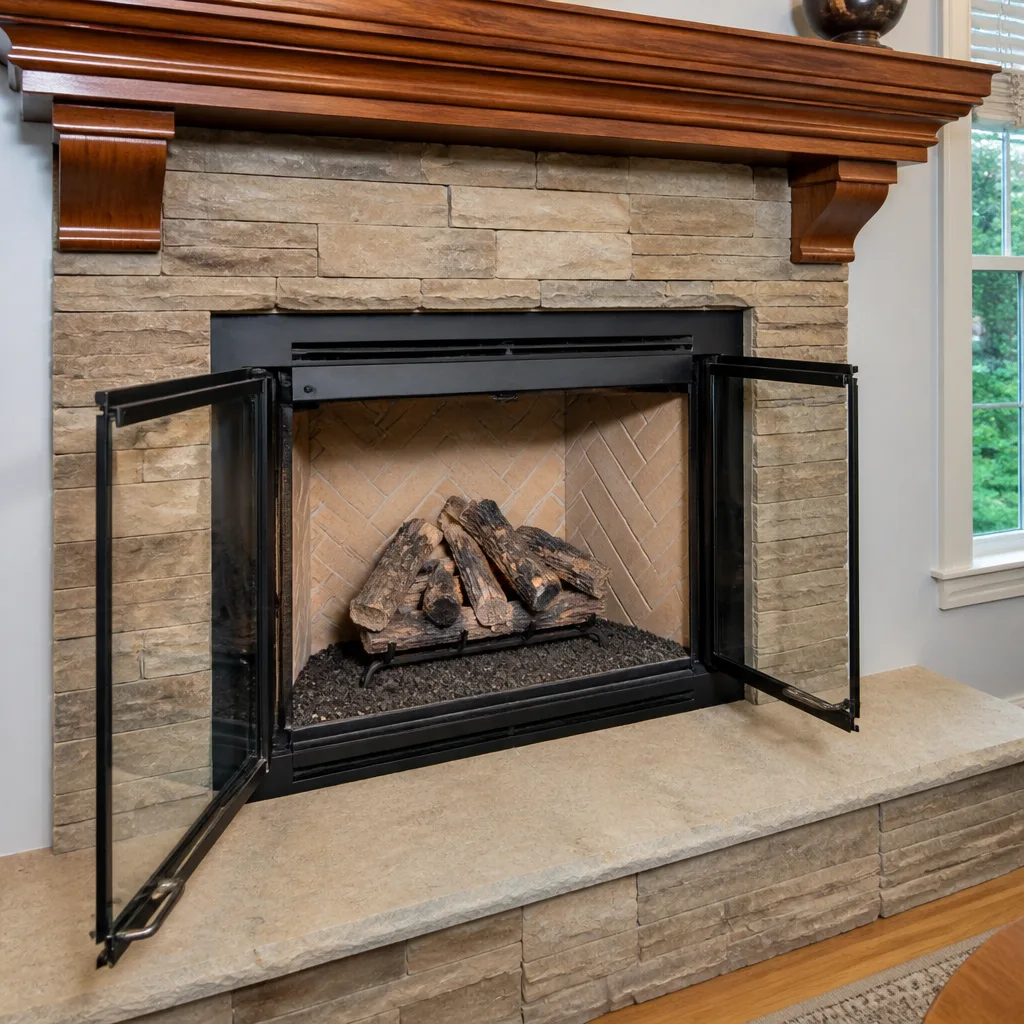 Gas fireplace service
Level 1 sweep and inspection to the NFPA 211 annual standard - flue, crown, cap, and flashing checked and photographed
Chimney sweep logs do not sweep chimneys. They loosen some creosote - which then falls where a brush and vacuum still have to collect it.
Chimney Cleaning Warning Signs: A Fort Wayne Homeowner’s Reference Guide
A white stain running down the brick outside your chimney looks cosmetic. It isn’t. That stain is efflorescence, and it means water is moving through the masonry right now, dissolving salts out of the brick as it passes. In Fort Wayne’s freeze-thaw climate, that moisture refreezes overnight, expands, and works the brick apart from the inside. The stain is the chimney telling you something is wrong before you’ve smelled smoke or lost your draw. This guide trains Fort Wayne homeowners to read the signals their chimney sends, ranked by urgency so you know what to watch and what means stopping use today.
Quick Answer
Chimney warning signs fall into three groups: what you can see from the ground (efflorescence, spalling brick, a cracked crown, rusted caps and dampers), what you can see inside the firebox (white or gray deposits, crumbling mortar joints, a damaged smoke chamber), and what you notice while burning (poor draw, smoke rolling back into the room, unusual odors during or after a fire). Stains, spalling and rust mean schedule an inspection soon. Smoke rollback, strong creosote odors inside the house, or visible damage to the flue liner mean stop using the fireplace until a professional looks at it.
Styles & brands we work with
- Sweep & inspection
- Caps & crowns
- Flue relining
- Masonry repair
- Gas fireplace service
Table of Contents
- Signs You Can Read From the Ground
- What the Firebox Is Telling You
- Performance Signs During and After a Burn
- Urgency Tiers: Monitor, Schedule, Stop Using
- Why Fort Wayne Chimneys Crack in Places Others Don’t
- The Hidden Danger You Can’t See
- Fort Wayne’s Burn Season and What It Means for Timing
- Common Mistakes to Avoid
- When to Call a Professional
Signs You Can Read From the Ground
You don’t need a ladder to catch most chimney problems early. A walk around the outside of the house, done once or twice a year, tells you a lot about what’s happening inside the masonry.
Efflorescence is the white or grayish powdery stain that appears on brick. It’s salt that water carried out of the brick as it dried. The stain itself is harmless, but it’s a roadmap of where moisture has traveled. If you can brush it away and it comes back, water is still getting in.
Spalling brick is the next stage. The face of the brick flakes, peels or pops off, sometimes landing in the grass below. Freeze-thaw cycles are the engine here, and Fort Wayne gets plenty of them. Once brick starts spalling, the chimney’s outer shell is losing mass and needs a professional assessment, not a coat of paint.
A cracked or tilting crown is the concrete cap at the top of the chimney. Hairline cracks let water straight into the flue. A crown that’s pulling away from the flue, or sloping toward the house instead of away from it, is a water problem waiting to become a structural one.
Rusted caps and dampers are the fastest read of all. A rusted chimney cap, a damper that sticks or no longer seals, or rust streaks on the firebox door tell you moisture is reaching metal that should stay dry. Caps are inexpensive to replace compared to what a water-damaged flue costs to repair.
If any of these are present, the next step is a proper inspection. You can read more on our chimney repair page about what repair options look like once a problem is confirmed, and the importance of catching them at the ground level rather than waiting for damage inside the firebox.
What the Firebox Is Telling You
Open the firebox door, take a flashlight, and look. This is where the chimney’s working parts live, and where early warning signs are easiest to spot.
- White or gray deposits on the firebox walls. These look like chalky stains or crusty patches. They can indicate moisture reacting with the masonry, or creosote glaze that’s hardened into the brick surface. Either way, they signal that something is accumulating or penetrating that shouldn’t be.
- Deteriorating mortar joints. Run a finger along the mortar between firebrick. If it crumbles, turns to sand, or the joints have receded, the firebox is losing its seal. Deteriorated mortar lets heat and gases escape into the surrounding structure, which is a fire-safety issue, not just a cosmetic one.
- A damaged smoke chamber. This is the space above the damper that funnels smoke into the flue. It’s supposed to be smooth. If it’s rough, pitted, or has broken corbelling, smoke tumbles and cools there, which causes poor draw and accelerates creosote buildup.
- Cracked or missing firebrick. Any visible crack in the firebox lining, or firebrick that’s loose, means the fire is burning against material that’s no longer rated for the heat.
- Creosote in the flue throat. Shine a light up past the damper. A thin dusty film is normal between sweeps. A sticky, tar-like coating or a shiny glazed surface is a different story entirely, and it’s the kind of buildup that a normal cleaning may not remove.
You can’t inspect the inside of the flue from here, and neither can we without a camera. That’s why a chimney sweep with a camera and a written report tells you far more than a visual glance up the chimney ever will. We use camera inspection on every sweep so you can see exactly what’s in the flue, not just what we tell you is there.
Performance Signs During and After a Burn
Some warning signs aren’t visible at all. You notice them when the fireplace is running, or in the hours after.
- Poor draw. A fire that’s slow to start, smolders instead of burning hot, or produces a lazy, weak draft from a fully open flue. This can come from a partially blocked flue, a damaged smoke chamber, or a flue that’s too cold or too short for the firebox.
- Smoke rollback. Smoke coming out of the fireplace opening into the room instead of going up the chimney. This is the single most urgent performance sign on this list. Smoke rollback means combustion gases are entering your living space, and you should put the fire out and stop using the fireplace until it’s inspected.
- Unusual odors during use. A sharp, chemical, or acrid smell from the fireplace is often creosote or a flue obstruction burning off. Any persistent smell during a fire needs a professional look.
- Odors after the fire. A strong smoky or barbecue smell in the house once the fire has died down usually means air is moving the wrong way through the flue. Some Fort Wayne houses deal with this as outdoor temperatures drop and stack effect pushes air down a cold chimney, but if it’s new, it’s worth checking.
- Smoke escaping from seams or cracks. Smoke seeping from cracks in the chimney breasts or around the damper frame means the flue isn’t sealed and gases are leaking into wall cavities.
Any of these, particularly smoke rollback, warrants stopping use and calling. The rest of the time, a slow burn is worth diagnosing before it becomes a no-burn situation.
Urgency Tiers: Monitor, Schedule, Stop Using
Not every warning sign is an emergency, and treating them all the same causes homeowners to either panic or ignore the important ones. Here’s the ranking we use.
Tier 1: Monitor. These signs are noted, watched, and checked again in a few months. A light, thin dusting of soot in the firebox and a slight smoky smell during the first fire of the season are usually normal. Track them and check for change.
Tier 2: Schedule an inspection and sweep soon. These signs mean something is actively changing and needs to be evaluated before the next burn season gets underway:
- Efflorescence on the exterior masonry
- Rust on the chimney cap or damper
- Crumbling mortar visible at the firebox or chimney exterior
- Chalky white or gray deposits inside the firebox
- A fire that’s producing more creosote smell than usual
- A crack at ground level in the exterior chimney or in the chimney breast inside the house
Tier 3: Stop using the fireplace until inspected. These signs mean the chimney isn’t safe for another fire:
- Smoke rolling back into the room
- Smoke coming out of cracks, seams, or anywhere other than the firebox opening
- Cracked or missing firebrick, or a firebox lining that’s become soft and friable
- A strong creosote odor inside the house that doesn’t clear when the fireplace is off
- Visible cracks inside the firebox or in the flue that you can see with a flashlight from the damper
- Sparks or flames appearing where they shouldn’t, or the chimney breast getting hot to the touch
If you’re in Tier 3, the fireplace stays off and we look at it. Fort Wayne Chimney Sweep inspects, cleans, and repairs, so the same crew that finds the problem can tell you what it takes to fix it.
Why Fort Wayne Chimneys Crack in Places Others Don’t
Fort Wayne has a lot of older housing stock. Bungalows, four-squares, and long-established homes on the near-north and south sides were built with masonry chimneys that have been through many decades of hot summers and hard winters. Over that kind of time, small cracks appear at the chimney’s shoulder or where it meets the roof line. These are often chalked up to “settlement” and left alone.
Sometimes they are settlement, and they’re not urgent. But a coat of caulk over a crack doesn’t tell you whether the flue liner is still intact behind it, and that’s the detail that matters. A chimney can look structurally sound outside and still have a breached liner that sends hot gases into the surrounding wood framing.
The reason this matters more here than in a new-build suburb is that a masonry chimney in Fort Wayne sees intense freeze-thaw cycling every winter. Water that enters through an old crack expands when it freezes, and each cycle widens the crack a little more. What read as “just an old house” in October can read as a real opening by February. In our experience, chimney inspections on older Fort Wayne homes regularly turn up cracking and spalling that the homeowner had written off.
If you’re in an older home and your chimney has a crack you’ve never had checked, treat it as a question worth answering. We’ll look at it with a camera, tell you whether the liner is intact, and give you a straight answer on whether the crack is cosmetic or whether it’s letting water and heat where they shouldn’t go.
The Hidden Danger You Can’t See
Creosote is the byproduct of burning wood, and it accumulates in the flue every time you have a fire. It builds in three stages. First, soot and ash flake off the flue walls. Second, a crusty, porous creosote layer builds up. Third, glazed creosote forms, a shiny, tar-like coating that’s harder to remove and, as it builds up, restricts the flue and ignites at lower temperatures.
You can’t see any of this without a light and a camera. That’s the underlying reason your chimney needs a professional evaluation instead of just a visual once-over from the ground. The fire risk is in the part of the flue you never see.
When we inspect a flue, we’re looking at creosote depth and distribution. Light soot is cleaned with a sweep. Glazed or heavy creosote may need specialized removal or, if the liner itself is compromised, a larger conversation about relining.
A chimney repair plan only makes sense once you know what’s actually in the flue. For customers who need liner replacement, we install DuraFlex systems. For those whose flue condition can be restored without a full reline, HeatShield resurfacing is often the right route. We work with Olympia Chimney and Famco products as well, because no two flues need the same fix. If a liner repair isn’t safe to do this season and can wait, we’ll tell you that too.
Fort Wayne’s Burn Season and What It Means for Timing
Most Fort Wayne homeowners start burning again in late fall and stop in early spring. The chimney sits idle the rest of the year, and that idle season is when small problems quietly get bigger. That’s the reason annual sweeps tend to cluster in early autumn, and why a spring check is worth considering if you’ve had a hard winter with a lot of wood smoke.
Timing an inspection is less about the calendar than about the signs. A sweep at the start of the season catches creosote before it builds into a hazard. If your chimney is sending any of the warning signs in this guide, it’s telling you when it needs attention, not the calendar.
A sweep is booked, not dispatched. There’s no hourly urgency here. But once the first cold snap hits and the fireplace gets used again, notice of a problem comes later than it should. If you’ve seen the signs covered on this page, schedule the evaluation before the burn season starts rather than after.
Common Mistakes to Avoid
- Treating efflorescence as a cosmetic issue. Painting over a white stain traps the moisture inside the brick. It doesn’t stop the water, it just hides where it’s going.
- Assuming a crack is only settling. A crack in the chimney breast or exterior masonry can be settlement, or it can be an opening for water straight into the flue. The only way to know is to look inside with a camera.
- Skipping the sweep because the fire “burns fine.” A clean-burning fire is a good sign, but creosote can build in a flue that still draws well. It’s smoke that you can’t see, not performance, that tells the story.
- Using the fireplace with smoke rolling back into the room. Smoke rollback means combustion gases are entering the living space. Put the fire out, open the damper, and call. Don’t rely on a window to clear it.
- Waiting until the first cold weekend to book a sweep. Fort Wayne’s burn season is short and everyone calls at once. Booking a sweep before the season starts is easier than finding a slot mid-December.
- Ignoring a rusted cap. A rusted cap looks like a small hardware problem. It’s actually the first sign that water is getting into the top of the chimney.
- Letting a generalist look at the flue. A handyman can check that a fireplace turns on. Only a chimney specialist can read creosote depth, liner integrity, and smoke chamber condition, and know which finding is urgent and which isn’t.
When to Call a Professional
Call for any sign in Tier 3 above, and for smoke rollback, strong odors in the house, or visible cracks inside the firebox. Call if you’ve moved into an older Fort Wayne home and don’t know when the chimney was last inspected. Call if you’re planning to use a fireplace this season and haven’t had it swept. Call if you’ve noticed efflorescence, spalling brick, a rusted cap, or crumbling mortar and want a straight answer on whether it’s a repair now or a watch-and-wait. Fort Wayne Chimney Sweep offers free estimates in Fort Wayne. Call (866) 589-6152. We answer 24/7. Fast dispatch from 7am to 7pm, Sunday through Friday.
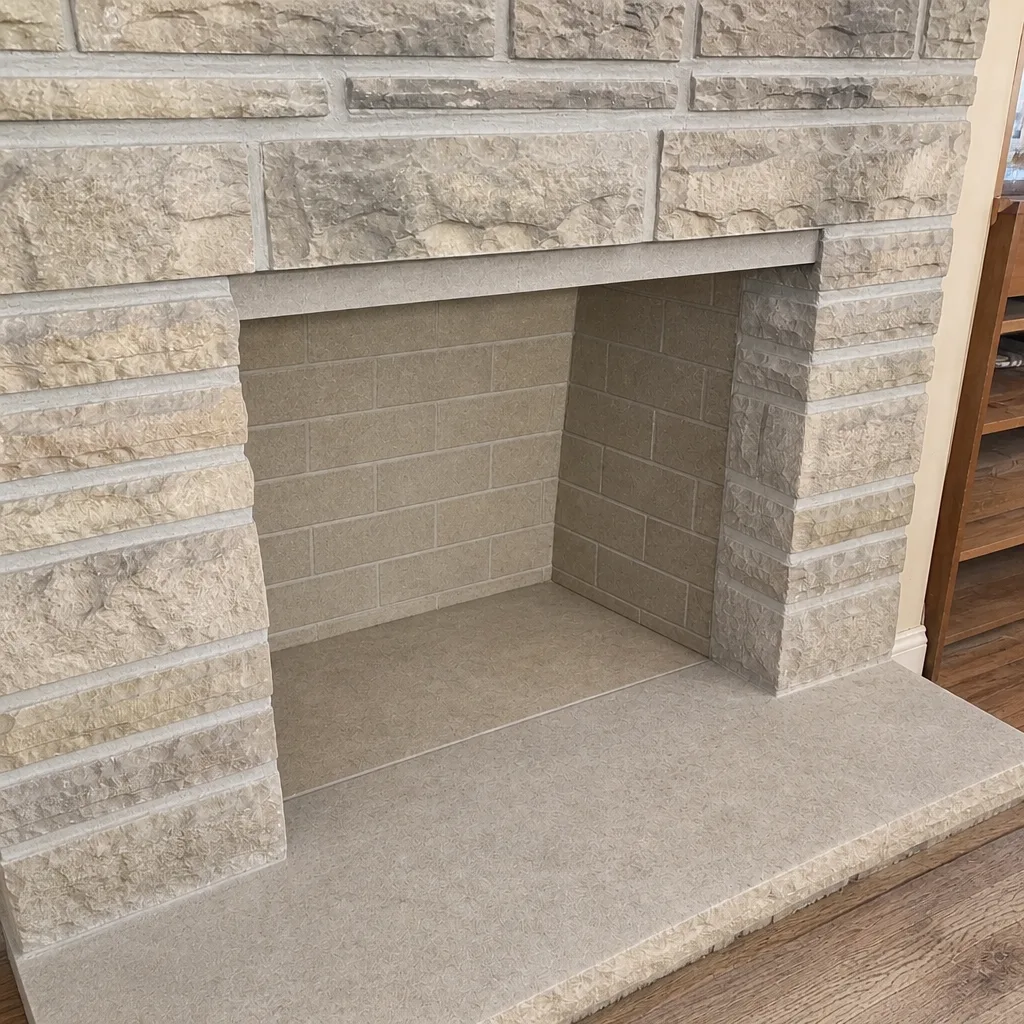
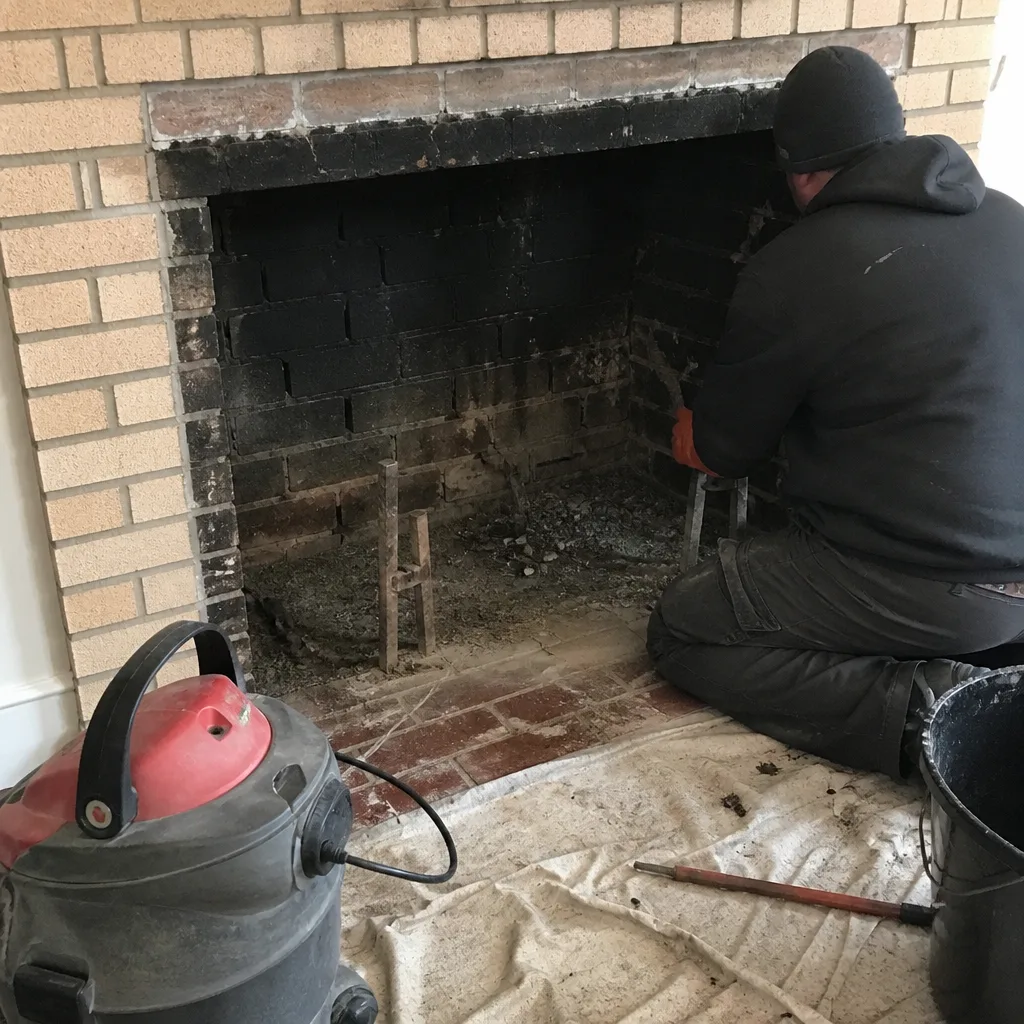
See the difference
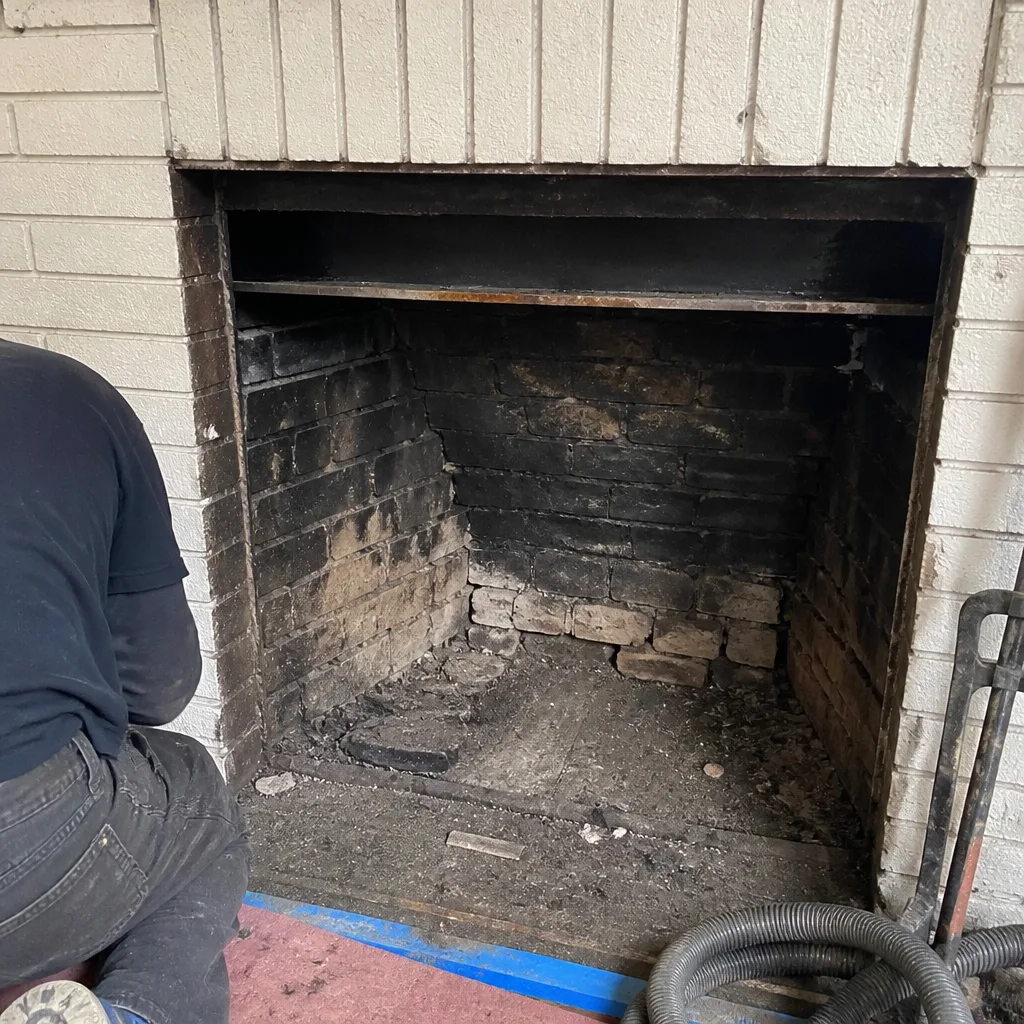 Before
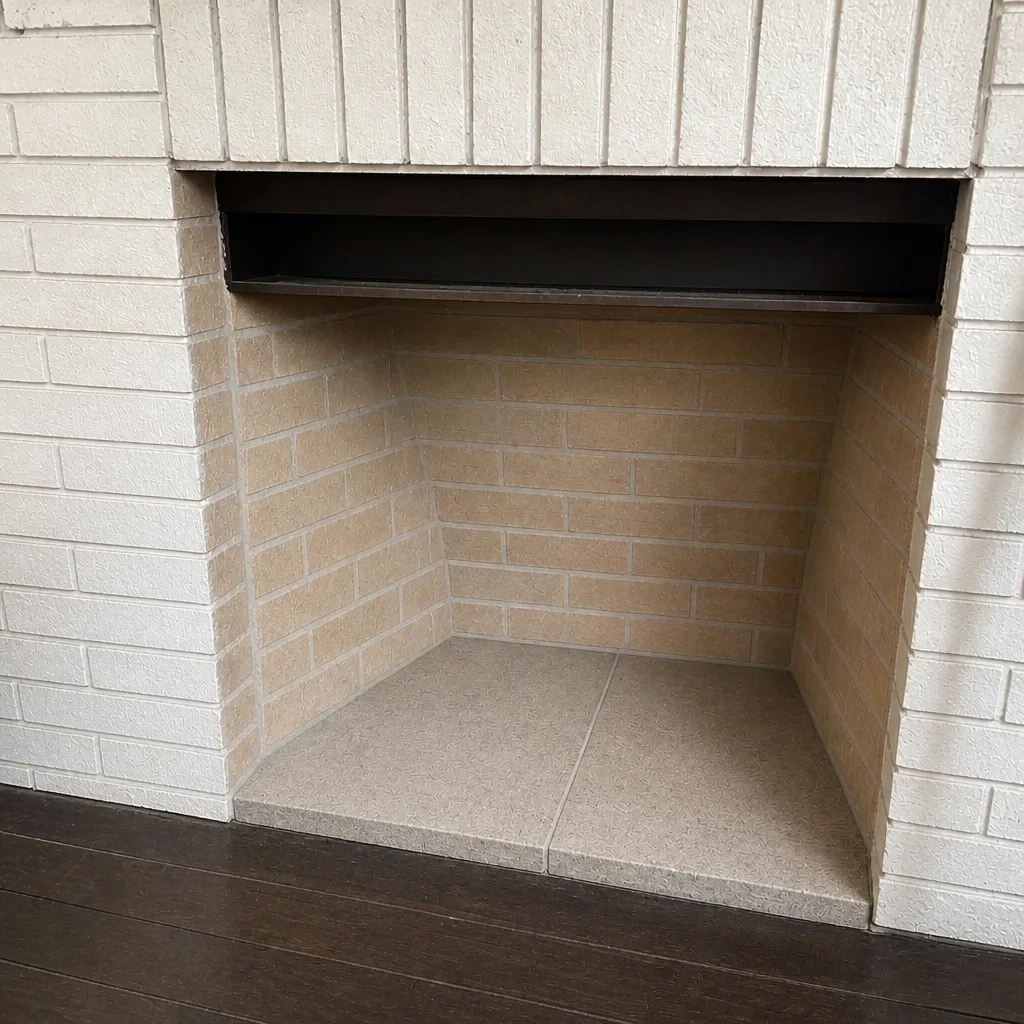 After
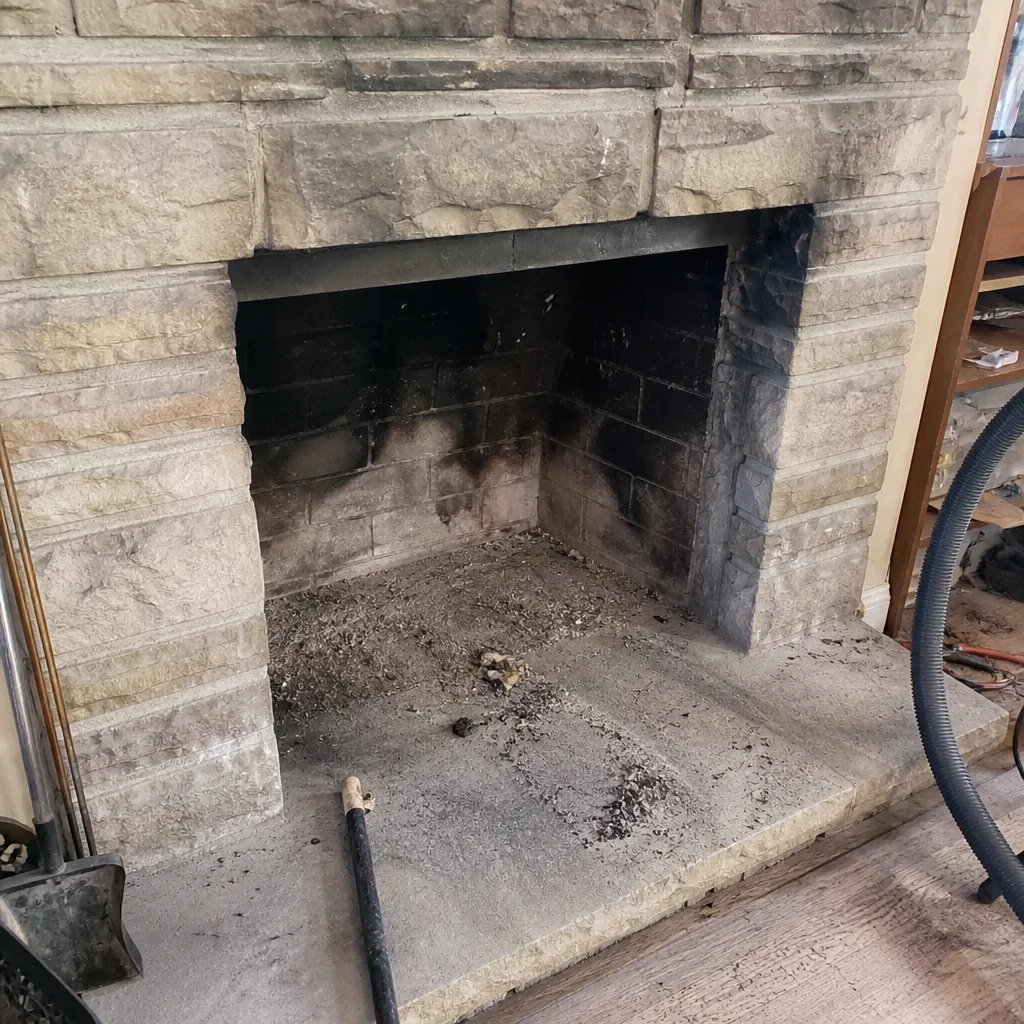 Before
 After
 Before
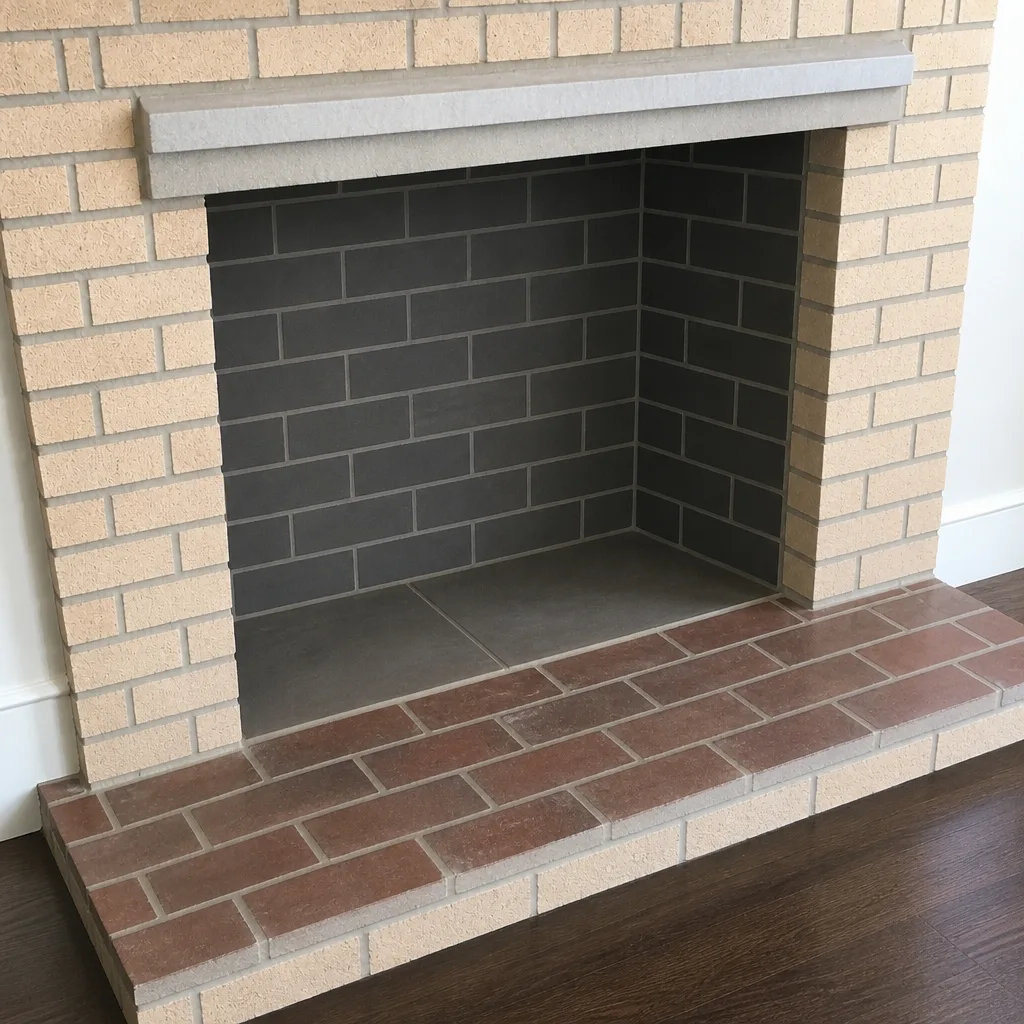 After
Frequently Asked Questions
Once a year is the standard baseline for a wood-burning fireplace in regular use, and more often if you burn heavily or notice creosote smell or poor draw. Fort Wayne’s long burn season and older housing stock make an annual sweep a reasonable rhythm. The written report from the sweep tells you if your chimney needs a shorter interval.
Smoke rolling back into the room, smoke coming out of cracks or seams, a strong creosote odor inside the house, and cracked or missing firebrick are all stop-using signs. Call a professional before the next fire. Signs like efflorescence, rusted caps, and crumbling mortar suggest scheduling an inspection soon rather than stopping use.
Efflorescence is a white or grayish stain on brick caused by water moving through the masonry and carrying salts out as it dries. The stain is harmless, but it’s evidence of active moisture. In Fort Wayne’s freeze-thaw climate, that moisture cracks the structure over time, so efflorescence is a reason to get the chimney inspected, not just cleaned.
Smoke rollback is a real problem. It means combustion gases are entering your living space instead of going up the flue. Put the fire out, open the damper, and stop using the fireplace until it’s inspected. A properly drawing chimney should never push smoke into the room.
We’re closed Saturday and open Sunday through Friday, 7am to 7pm. A call outside dispatch hours is booked into the next opening, Sunday through Friday, 7am to 7pm. If a fire fails on a Saturday, call and we’ll book you for Sunday.
A camera inspection is what tells you what’s actually in the flue. A visual look from the ground doesn’t show creosote depth, liner integrity, or a breach behind a crack. All of our sweeps include a camera inspection and a photo report so you can see what we saw before you decide on any repair.
The Bottom Line
Most chimney emergencies announce themselves long before they happen. The white stain, the rusted cap, the crumbling mortar, the smoky smell, the smoke rolling into the room: each of these is a signal, and they run from “watch this” to “stop using the fireplace today.” You don’t need to be a technician to read them. You need to know which tier a sign falls into and act on it. A camera inspection and photo report tell you what’s actually going on. If you’re in Fort Wayne and something on your chimney looks or smells off, call us and let’s look at it together. Nothing is recommended without evidence you can see. Fort Wayne Chimney Sweep is the team to call when you want the whole picture – inspection, cleaning, and repair with one crew. Call (866) 589-6152 for a free estimate.
Written by the team at Fort Wayne Chimney Sweep.