
Last updated November 15, 2026
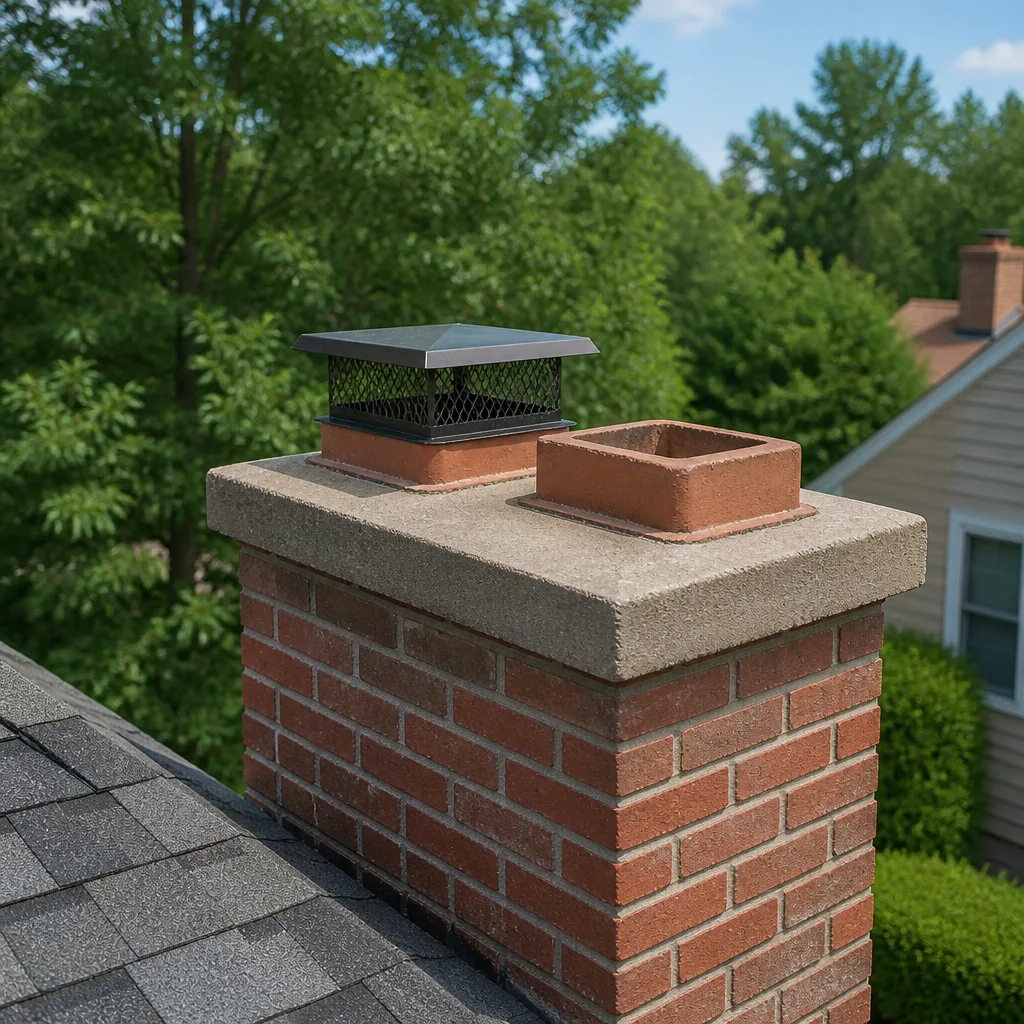 Sweep & inspection
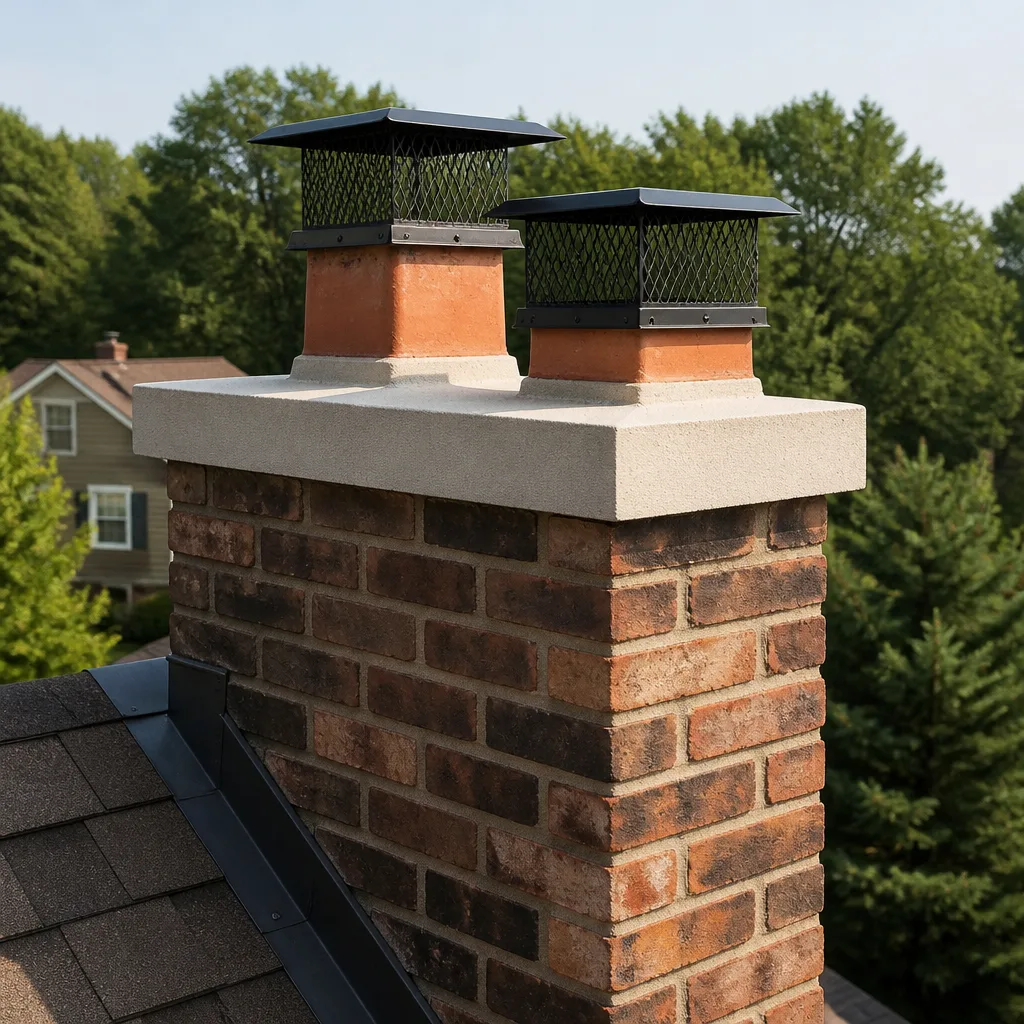 Caps & crowns
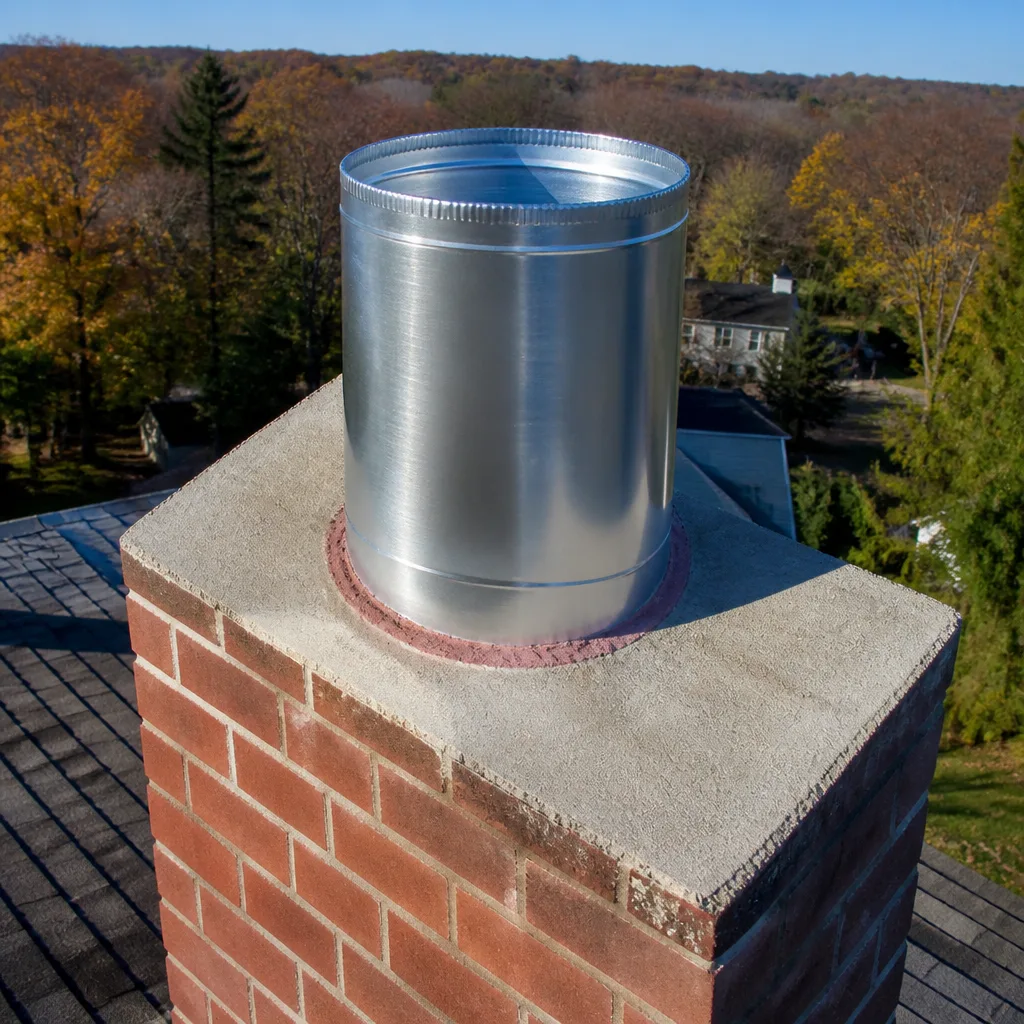 Flue relining
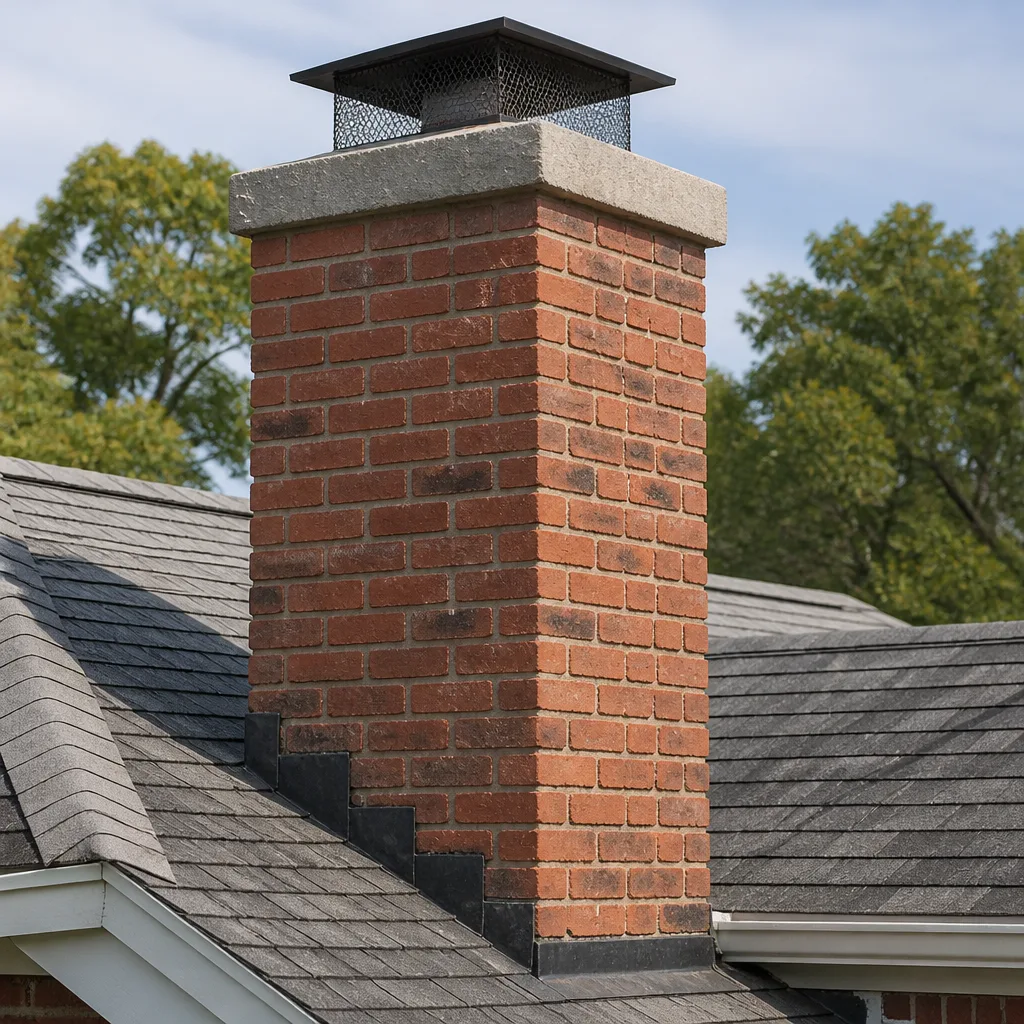 Masonry repair
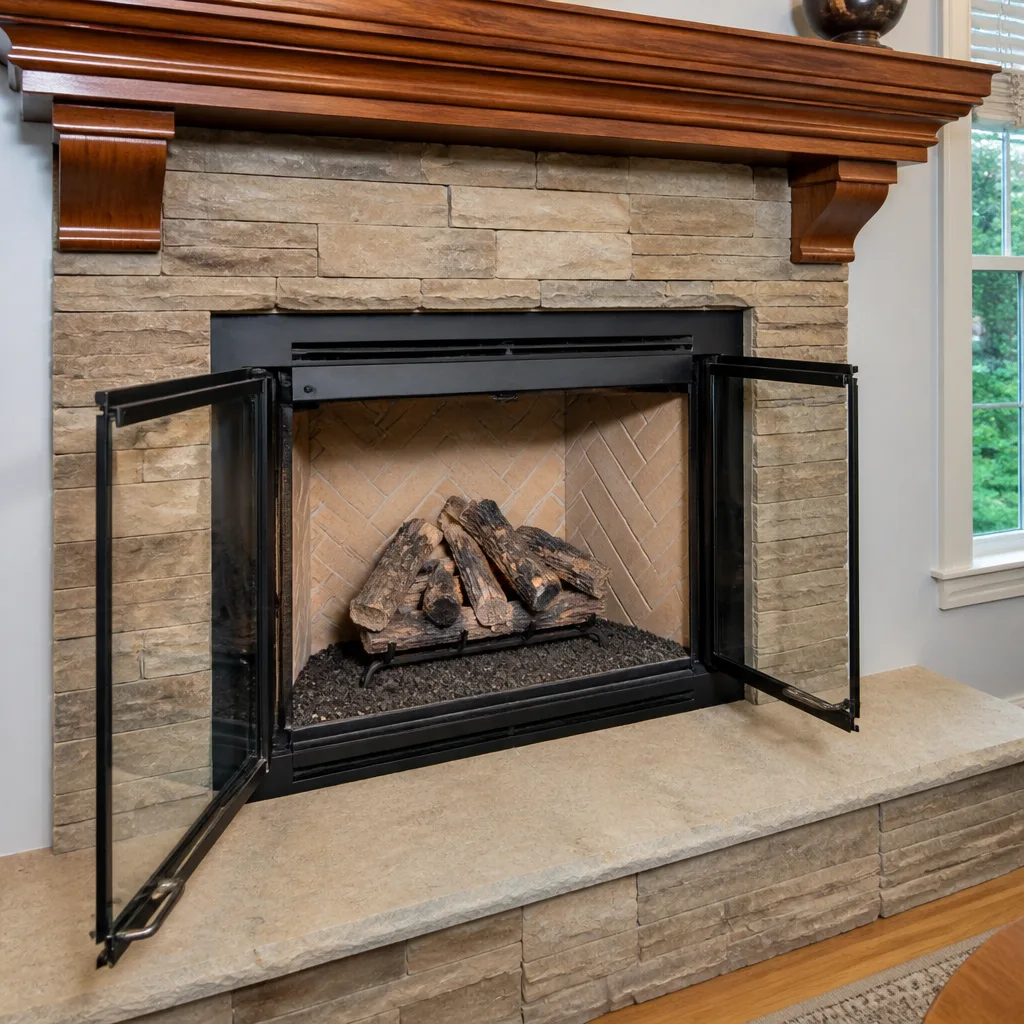 Gas fireplace service
Level 1 sweep and inspection to the NFPA 211 annual standard - flue, crown, cap, and flashing checked and photographed
Chimney sweep logs do not sweep chimneys. They loosen some creosote - which then falls where a brush and vacuum still have to collect it.
Chimney Cleaning Cost Breakdown: The Fort Wayne Homeowner’s Reference for 2026
The $89 chimney cleaning coupon that shows up in Fort Wayne mailers typically covers a flue brush pass and nothing else – no camera inspection, no smoke chamber brushing, no written report – which means it won’t tell you whether your chimney is safe to use. What looks like a bargain is often a lead-generation tool: the low price gets a technician in the door, and the real money is made on repair work flagged minutes later, with nothing you can verify. This reference translates every line item on a chimney estimate into plain English, so you can read a quote and know exactly what you’re paying for in 2026. We’ll cover what a fair cleaning costs, which add-ons are standard, which variables legitimately move the number, and how to tell a competitive price from a setup.
Quick Answer
A standard single-flue chimney cleaning in Fort Wayne in 2026 typically runs about $180 to $350, and a fair price at that level includes a visual inspection, a proper flue brush pass, smoke chamber brushing, and a written report on what was found. Anything priced well under that usually skips the inspection and the report, which are the parts that actually tell you whether the chimney is safe. A written, per-job estimate should set the final price before any work begins.
Styles & brands we work with
- Sweep & inspection
- Caps & crowns
- Flue relining
- Masonry repair
- Gas fireplace service
Table of Contents
- What a standard cleaning should include
- Line by line: what each charge on your estimate is for
- What legitimately changes the price
- Creosote stages and why they matter
- Repairs that commonly follow a cleaning
- Low-ball estimate or genuinely competitive price?
- Frequently asked questions
- The bottom line
What a Standard Chimney Cleaning in Fort Wayne Should Include
If you take one thing from this guide, make it this: cleaning and inspection are not the same service, and a price that covers one without the other is only half a job. A real sweep ends with you knowing the condition of the flue, not just that a brush went up it. Here’s the minimum a fair cleaning should deliver.
- Visual inspection of the firebox, damper, smoke chamber, and flue – before any brushing begins, so the technician knows what they’re dealing with.
- A proper flue brush pass with the right size and type of brush for your flue (masonry, clay tile, or metal liner – they take different tools).
- Smoke chamber brushing – the sloped shelf above the damper that collects creosote and is routinely skipped by cut-rate outfits.
- Camera inspection of the flue interior, which is the only way to see cracks, gaps in tile joints, or gaps in a liner.
- A written report describing condition and any findings, with photos you can look at yourself.
That package is what a fair $180 to $350 buys. When a coupon advertises $89, something on this list is missing – almost always the camera inspection and the written report, which happen to be the two items that would reveal a problem worth fixing. A brush pass alone can’t tell you whether the flue is intact. For the full picture of how a proper visit is structured, see our chimney sweep page.
Fort Wayne’s mix of older masonry chimneys in neighborhoods like West Central and newer construction on the city’s north side means technicians see a wide range of flue conditions in a single week. An older home with a clay tile flue may need a different brush and a closer camera inspection than a 1990s build with a metal liner. That variation is exactly why a flat national price never reflects what a local job actually requires.
Line by Line: What Each Charge on Your Estimate Is For
Estimates vary in how they’re formatted, but almost every chimney invoice breaks into the same handful of line items. Here’s what each one means and whether it’s standard practice or an add-on you’re being sold.
- Inspection fee (roughly $75 to $150): Standard for a dedicated inspection visit, and often folded into the cleaning price when bundled. If a cleaning quote includes a “free inspection,” ask what that inspection actually covers – a flashlight look from the firebox is not a camera inspection.
- Cleaning fee (roughly $150 to $300 for a single flue): The core brush-and-vacuum service. This is the number most coupons advertise and most homeowners compare. Compare like for like.
- Camera inspection (roughly $50 to $120 when charged separately): Often included in a fair cleaning, sometimes itemized. Either is fine – what matters is that it happens and you see the footage or photos.
- Written report (typically included): A short document describing findings, with photos. A company that won’t put findings in writing is telling you something.
- Additional flue fee (roughly $75 to $150 per additional flue): A two-flue chimney – say, one fireplace flue and one furnace flue – means two cleanings. Legitimate, and worth confirming on the quote so it doesn’t appear as a surprise.
- Cap or screen (roughly $60 to $200 installed, depending on material): Often recommended at the same visit. Ask whether it’s needed now or can wait a season.
When you read an estimate, the goal is to know which charges are doing real work and which exist to pad the bill. A written estimate that lists each line, with a reason, is the standard we hold to. If a company quotes a single lump sum with no breakdown, ask for one. For how repairs fit into the picture once the cleaning is done, our chimney repair page walks through the options.
What Legitimately Changes the Price in Fort Wayne
Two houses on the same block can get quotes $100 apart for reasons that have nothing to do with markup. Four factors account for most of the gap, and each is worth understanding before you compare numbers.
- Flue height. A taller flue takes more brush passes, more rod sections, and more time on a ladder. A single-story ranch with a short flue is a different job from a two-story with a tall stack.
- Creosote stage. Stage 1 (light soot) brushes out easily. Stage 2 (flakey, crusty buildup) takes more passes. Stage 3 (glazed, tar-like) may not come out with a brush at all and requires different treatment, which we cover below.
- Accessibility. A chimney on a steep pitch, behind a fence, or with a crowded roofline takes longer to reach safely. Roof access is a real cost factor, and not one worth cutting corners on. Height and roof work are genuinely dangerous, which is why we recommend trained technicians rather than homeowner attempts.
- Number of flues. Each flue is cleaned and inspected separately. A chimney serving a fireplace and a furnace has two flues and should be quoted as two.
Fort Wayne’s cold, long winters and the burn habits that come with them push some homes toward heavier creosote than warmer markets see. Cool flues and smoldering, low-oxygen fires produce more creosote than hot, efficient burns. The result is that a Fort Wayne chimney cleaned two years ago may have more buildup than a chimeny in a milder climate cleaned on the same schedule. That’s a local condition worth knowing when you schedule. If you’re on a city lot where the chimney sits close to a neighboring roofline, plan for a slightly longer visit. For visitors and neighbors who ask about the area, our Fort Wayne page has the local context.
Creosote Stages: What They Mean for Your Estimate
Creosote is the residue left after wood burns, and it’s the single biggest variable in what a cleaning costs. It forms in three distinct stages, and each one calls for a different response.
- Stage 1 – soot and light dust: Brushes out easily. Standard cleaning price applies.
- Stage 2 – flakey, crusty accumulation: Takes more passes and more time. Still a cleaning job, but expect the visit to run longer and the price to sit at the upper end of the range.
- Stage 3 – glazed, tar-like buildup: This is the dangerous stage. It doesn’t brush away, and it’s the fuel that superheats during a chimney fire. Stage 3 may call for a chemical treatment or, in severe cases, relining. This is where repair cost ranges start to climb.
Here’s the safety piece, and it’s worth taking seriously: a chimney fire fed by creosote can damage the flue, and a damaged flue can let smoke and carbon monoxide into the home. That’s the real reason an annual sweep matters – not the soot itself, but what it can hide. We never recommend stepping onto a roof or working inside a flue yourself; height work and enclosed spaces are for trained technicians. A camera inspection is how you find out which stage you’re actually dealing with. The written report from that inspection is your evidence, and it’s what separates a recommendation you can trust from one you have to take on faith.
Modern wood stoves and inserts that burn hot and clean tend to produce less creosote than old open fireplaces run with dampers closed. That’s a building-and-equipment difference, not a marketing one, and it’s why the same cleaning schedule can produce very different costs in two similar Fort Wayne homes.
Repairs That Commonly Follow a Cleaning
Most cleanings end with a simple “you’re good for the season.” Some end with a finding. Here’s the short list of repairs that commonly surface, with rough Fort Wayne cost ranges so you can tell when a quote is in the ballpark and when it’s an upsell.
- Liner patching or resurfacing (roughly $1,200 to $3,000): For cracked or spalling clay tile. HeatShield resurfacing can restore a flue’s interior surface without the cost of full relining, and it’s a method fewer sweep-only outfits offer. We’re HeatShield-capable because it’s often the right fix for an older Fort Wayne masonry chimney.
- Full relining (roughly $2,500 to $5,500): When resurfacing isn’t enough. A DuraFlex liner system is one of the options we work with, and full relining is priced by flue height and liner type.
- Crown repair (roughly $400 to $1,200): The concrete cap at the top of the chimney. A cracked crown lets water in, and water is the slow killer of masonry chimneys. This is one repair that’s genuinely worth addressing before it spreads.
- Cap or screen installation (roughly $60 to $200): Keeps rain, animals, and debris out. Often the smallest line on the estimate and the most preventive.
- Masonry repointing (roughly $500 to $2,500, depending on extent): Repairing the mortar joints in the brickwork above the roofline. Priced by square footage and access.
Our technicians have up to experience, and in that time the pattern has held: the repairs that actually need doing are the ones a camera can show you. Nothing on that list should be recommended to you without photographic evidence, and you should always be able to see the finding yourself. Sometimes the honest answer is “it can wait a season.” A fair company will tell you when it can. Repair ranges vary by material and access, so the written estimate is what sets the final price. To see the full range of what we offer, start at Fort Wayne Chimney Sweep.
Low-Ball Estimate or Genuinely Competitive Price?
The trickiest part of comparing quotes isn’t the number – it’s figuring out what the number is designed to do. A $79 cleaning and a $250 cleaning can be the same business model with different upfront pricing, or two very different businesses. Here’s how to tell.
- Ask what’s included in writing. A genuinely competitive quote lists inspection, cleaning, camera, and report. A low-ball quote typically lists “cleaning” and nothing else.
- Ask who does the repair. If the cleaning company hands you off to a second contractor when a problem is found, that’s a referral, not a service. We inspect it, clean it, and fix what we find – same crew.
- Ask for the camera footage. A repair recommendation without visible evidence is a sales script. A recommendation with a photo you can look at is a finding.
- Check the urgency. A finding that needs attention before the next burn season and a finding that can safely wait a year should be presented differently. If everything on the list is “urgent,” be skeptical.
- Look at material brands. A company that works with several industry-recognized product lines – DuraFlex, HeatShield, Gelco, and Olympia Chimney among them – is more likely to recommend the right fix for your chimney instead of the one they happen to stock.
Two sources of repair cost commonly trip homeowners up: material and labor. In the Fort Wayne market, liner and crown materials run through regional supply chains, and labor reflects the height and access work involved. A quote significantly below the ranges above usually means one of those has been cut. A quote significantly above it usually means the finding was broader than the cleaning. Either way, ask for the line-by-line. Our chimney repair page explains how we scope a finding from inspection to written scope.
A genuinely competitive price and a fair cleaning are the same thing: one that covers the inspection and leaves you with a written record. When you can read the estimate and know what each line is for, you’ve already done the hard part.
Common Mistakes to Avoid
- Comparing cleaning prices without comparing scope. A $79 brush pass and a $250 inspection-plus-cleaning aren’t the same service, and the cheaper one won’t tell you whether your flue is safe. Ask what’s included before you compare numbers.
- Accepting a repair recommendation without seeing the evidence. If a technician tells you the liner is cracked, ask to see the camera photo. In Fort Wayne’s older housing stock, flue condition genuinely varies, which makes visible evidence the only reliable guide.
- Skipping the smoke chamber. The sloped chamber above the damper is where creosote accumulates fastest and gets brushed least in cut-rate visits. Confirm it’s on the list.
- Letting a cap go without checking the crown. Water is the biggest long-term threat to masonry chimneys, and a cracked crown lets it in. A cap and a crown check belong together.
- Sweeping on a fixed schedule instead of condition. A wood stove run hot and clean may need less frequent sweeping than an open fireplace burned cool. Ask for the condition assessment, not the calendar.
- Letting a cleaning company subcontract the repair. A sweep who can’t do the repair is only half the job, and the handoff usually costs you time and a second estimate. Confirm the same company handles both.
- Treating an invitation to “come look at the roof” as a free second opinion. It’s a sales visit. Ask for the finding in writing with photos before you agree to anything on a roof.
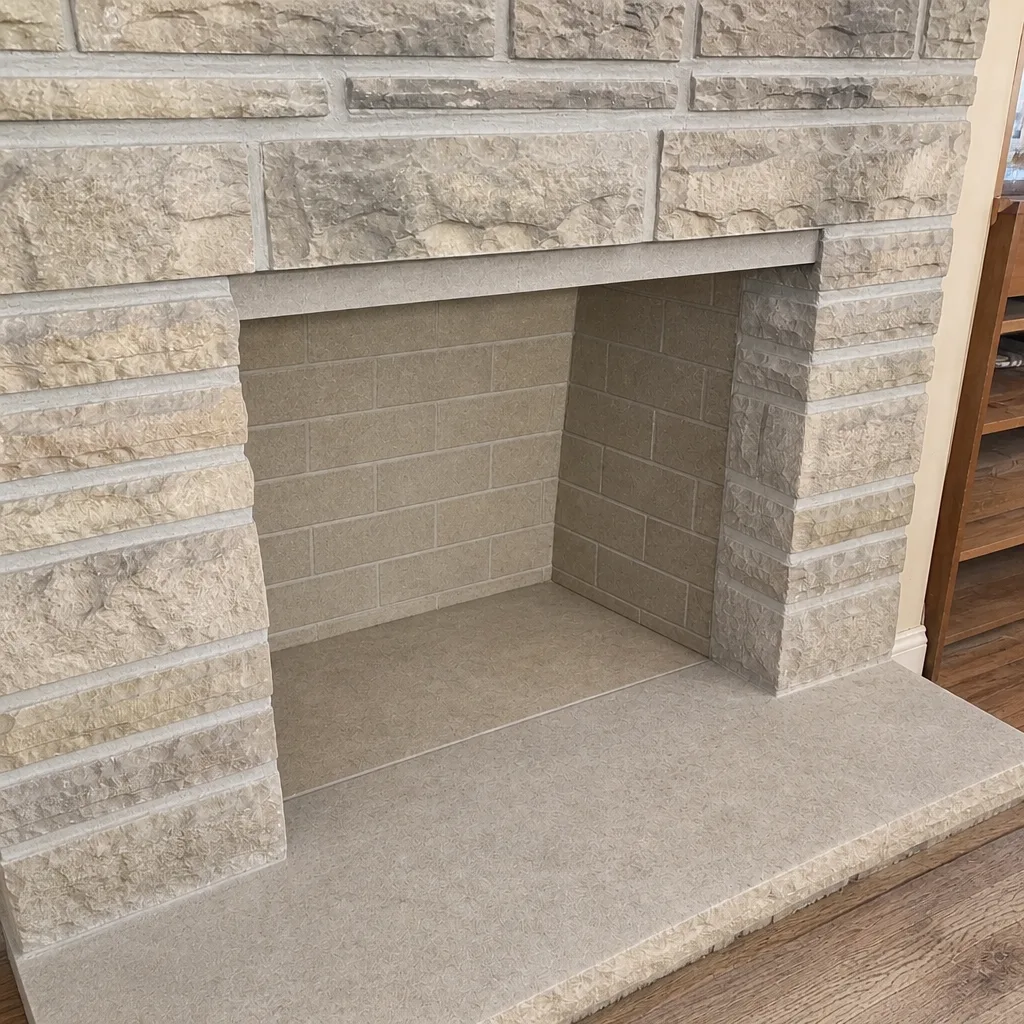
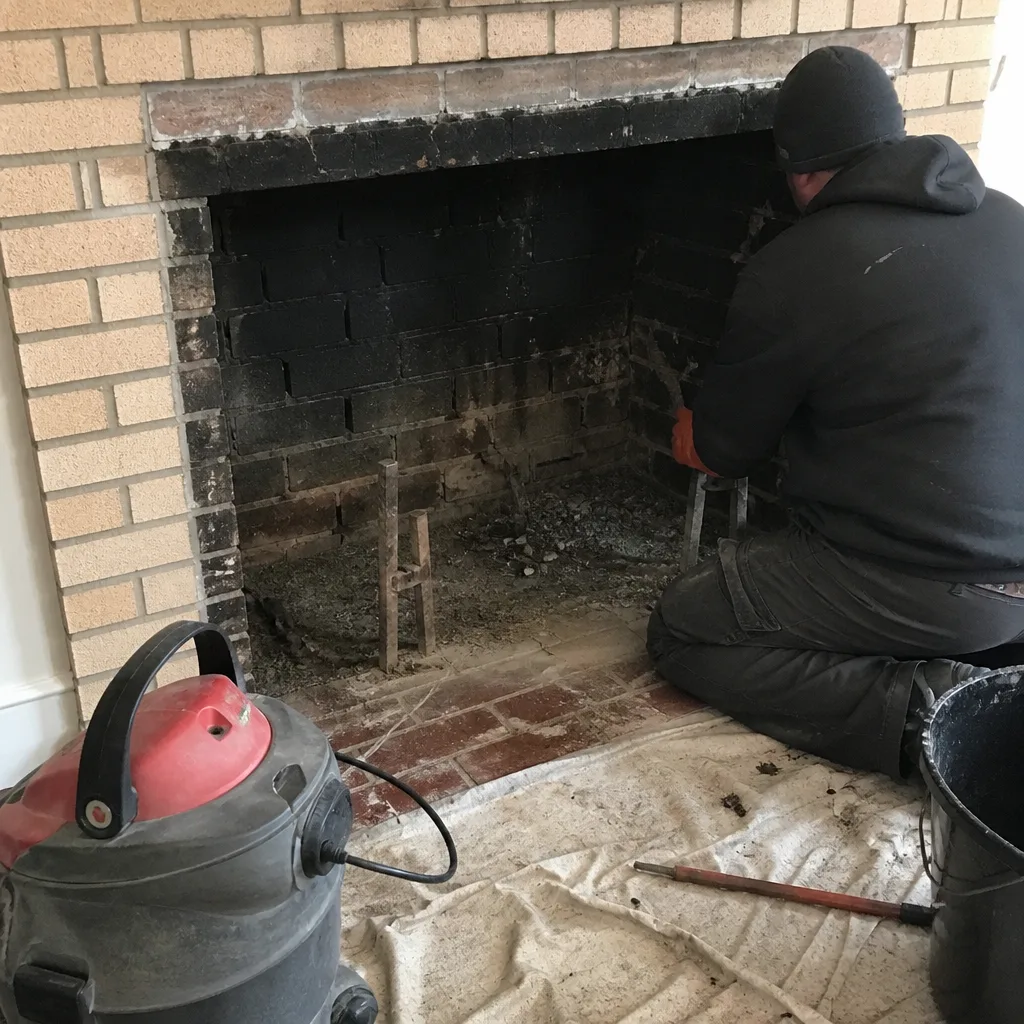
See the difference
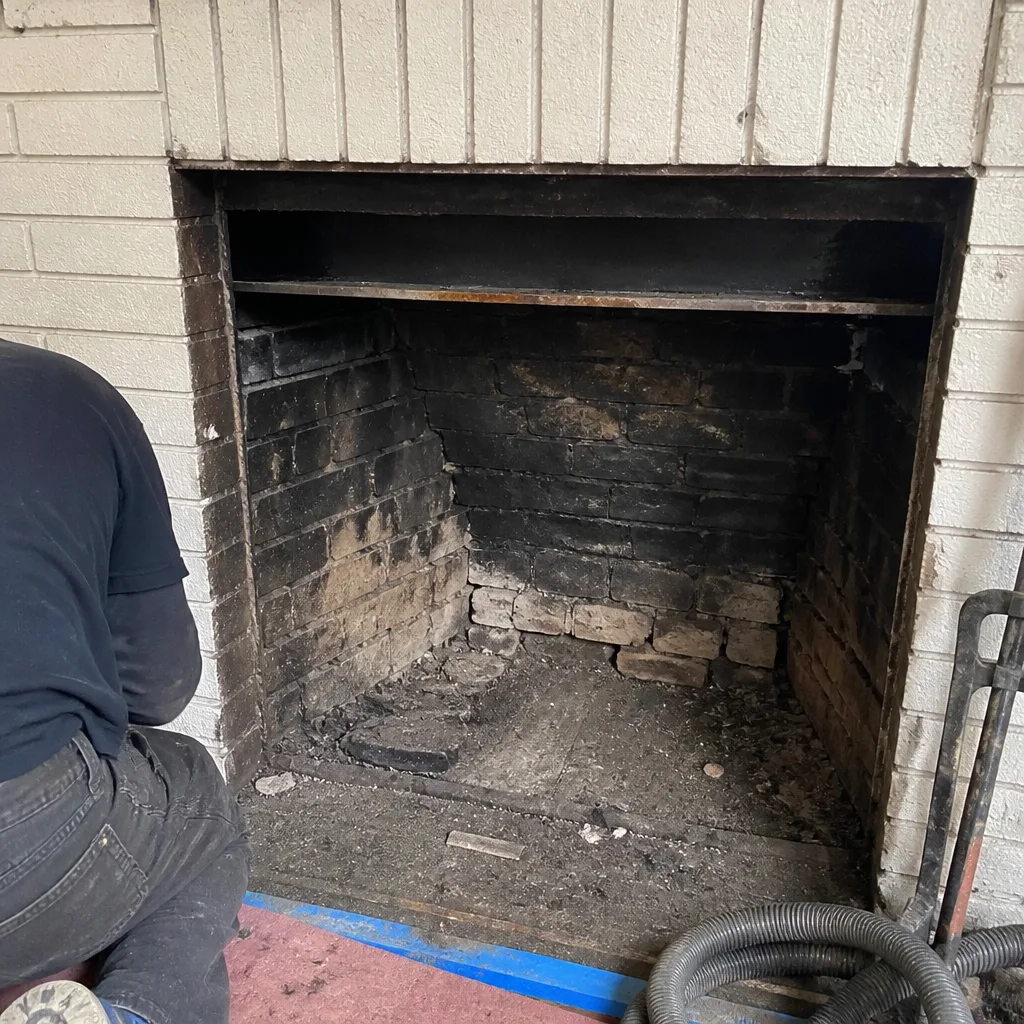 Before
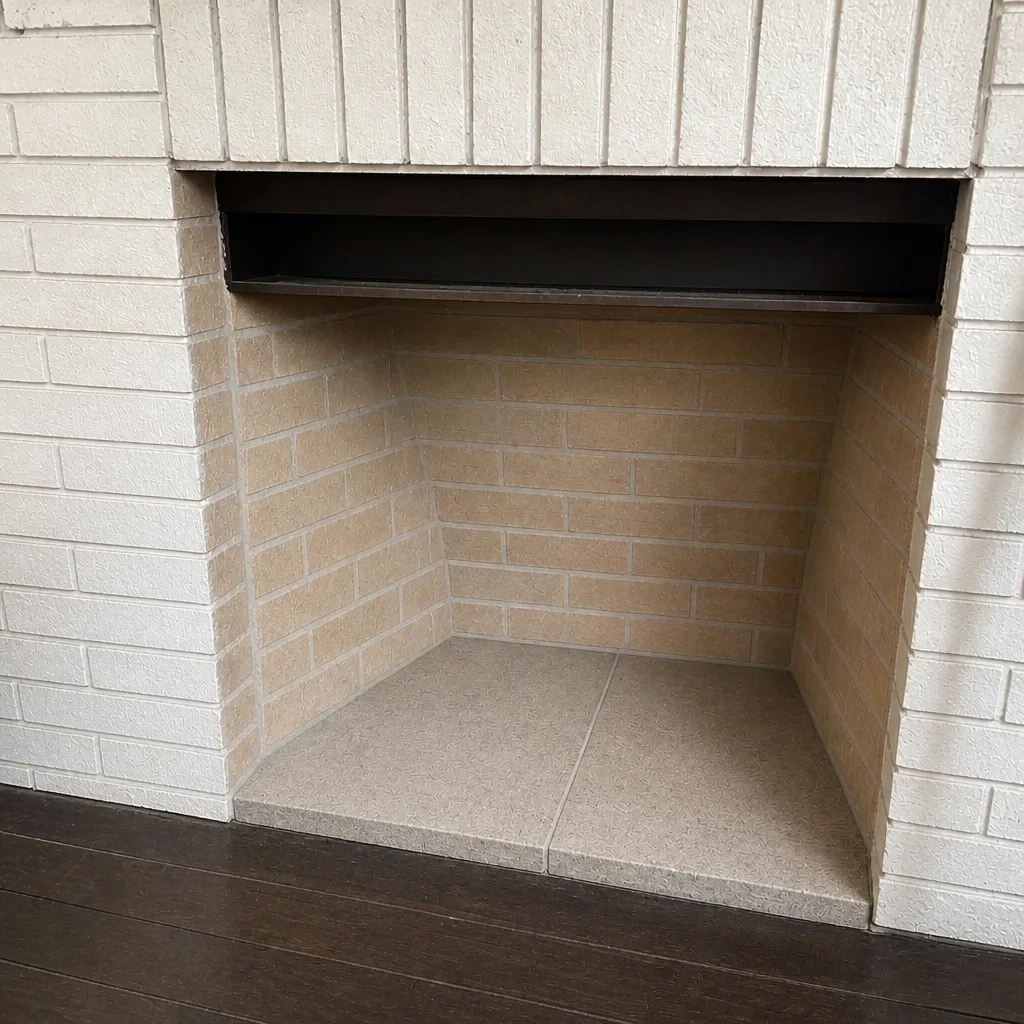 After
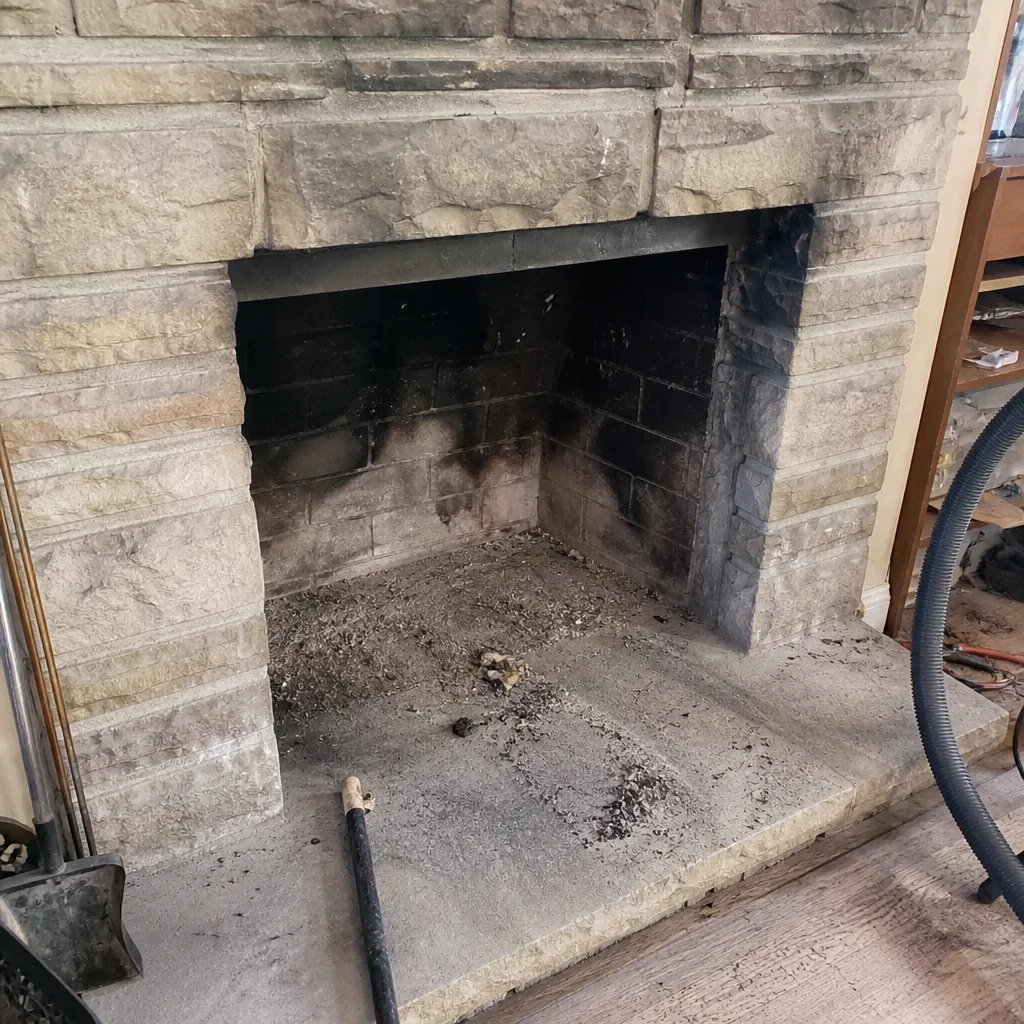 Before
 After
 Before
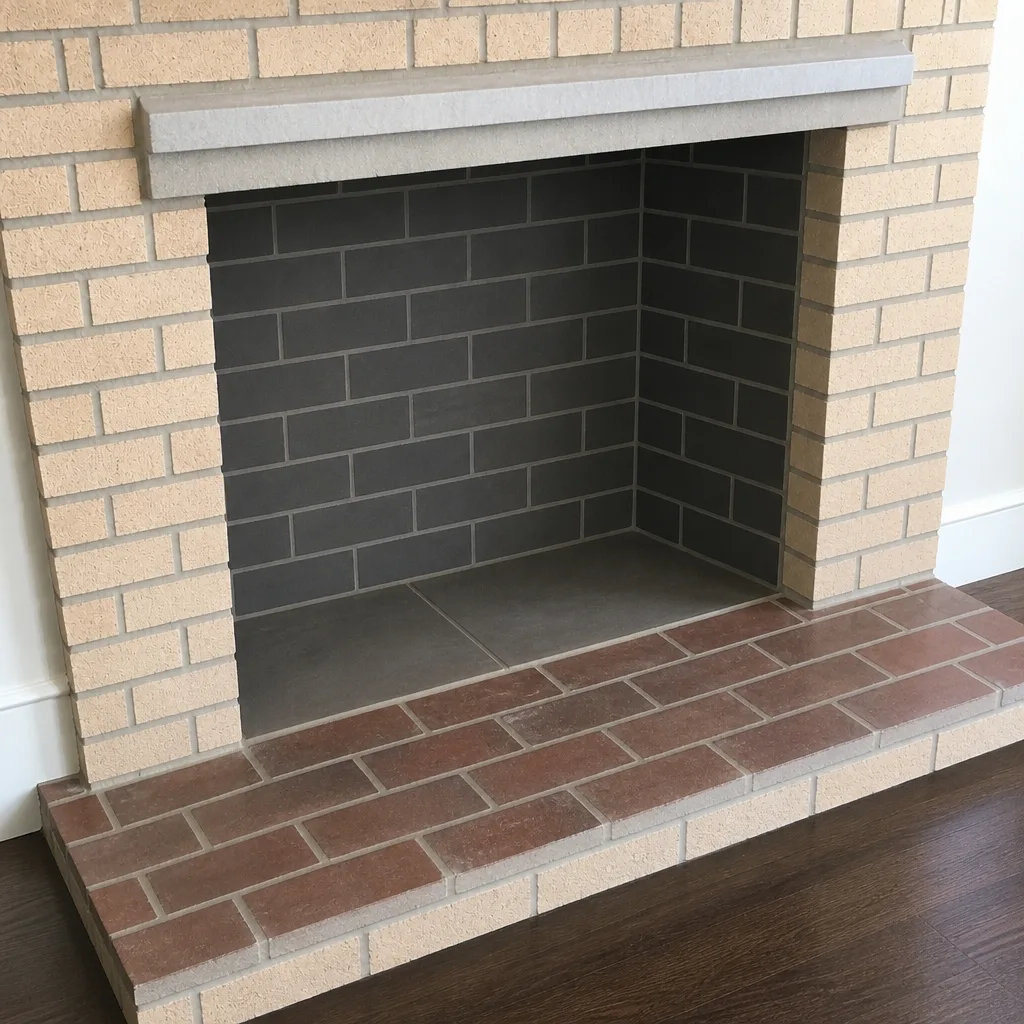 After
When to Call a Professional
There are a few situations where a phone call beats a DIY attempt every time. If you smell smoke in the house when the fireplace isn’t lit, if you see creosote stains on the exterior masonry, if the damper won’t open or close smoothly, or if it’s simply been more than a year since the last sweep, a professional visit is the right next step. Roof work and confined flue spaces are genuinely dangerous, and a trained technician has the tools to reach the smoke chamber and the camera to see the liner. Fort Wayne Chimney Sweep offers free estimates in Fort Wayne – call (866) 589-6152. We answer 24/7, and we can go over the range of costs before anyone books a visit. The chimney sweep service page has the full scope of what a visit covers.
Frequently Asked Questions
A standard single-flue cleaning in Fort Wayne typically costs about $180 to $350 in 2026, and a fair price at that level includes a visual inspection, brush pass, smoke chamber brushing, camera inspection, and a written report. Anything well below that range usually drops the camera and the report. Call (866) 589-6152 for an exact quote – estimates are free.
Because they’re quoting different services. The $89 quote typically covers a brush pass only, while the $300 quote covers the full inspection-plus-cleaning package. The two aren’t comparable, and the cheaper one won’t tell you whether your chimney is safe to burn. Call (866) 589-6152 if you want a quote that lists what’s included – estimates are free.
Only if the camera footage shows a genuine gap, crack, or separation in the liner. Liner integrity isn’t optional – it’s the difference between a working fireplace and a fire hazard – but a finding should always come with photos you can see. If you’re shown evidence, the recommendation is real. If you’re not, ask for it. Call (866) 589-6152 to book an inspection and see the footage yourself.
Most wood-burning fireplaces should be swept once a year, and the practical test is buildup: when creosote reaches roughly an eighth of an inch on the flue wall, it’s time. Homes that burn hot, dry wood with good draft may go slightly longer, and homes that burn cool or damp wood may need more. The condition, not the calendar, sets the schedule. Call (866) 589-6152 to book a visit and get the condition assessed – estimates are free.
Creosote builds up in the flue, and at higher concentrations it becomes the fuel for a chimney fire that can damage the liner or the masonry around it without you noticing. A damaged flue can also let smoke and carbon monoxide into the home. The reason the sweep matters isn’t the soot; it’s the fact that the inspection that comes with it is the only routine chance to catch liner problems before they spread. Call (866) 589-6152 to book before the burn season – estimates are free.
Both. We inspect it, clean it, and fix what we find – same crew, same visit window – and we handle the full sweep-to-repair range, from HeatShield ceramic flue resurfacing to DuraFlex liner installation. That means you’re not handed off to a second contractor after the inspection. Call (866) 589-6152 for a free estimate on a visit.
The Bottom Line
Chimney cleaning prices in Fort Wayne span a wide range in 2026 because “cleaning” means different things to different companies. A fair single-flue cleaning runs about $180 to $350 and includes the inspection, camera, and written report alongside the brush pass. Anything cheaper is almost always missing the parts that tell you whether your chimney is safe. The four cost variables – flue height, creosote stage, accessibility, and number of flues – are the ones worth confirming on every quote. And when a repair is flagged, ask to see the camera footage; a recommendation without evidence isn’t a finding. Fort Wayne Chimney Sweep provides chimney sweeping, chimney repair, and chimney inspection, and we’re the same crew from first inspection through final repair. Call (866) 589-6152. We answer 24/7. Fast dispatch from 7am to 7pm, Sunday through Friday.
Written by the team at Fort Wayne Chimney Sweep.