
Last updated November 15, 2026
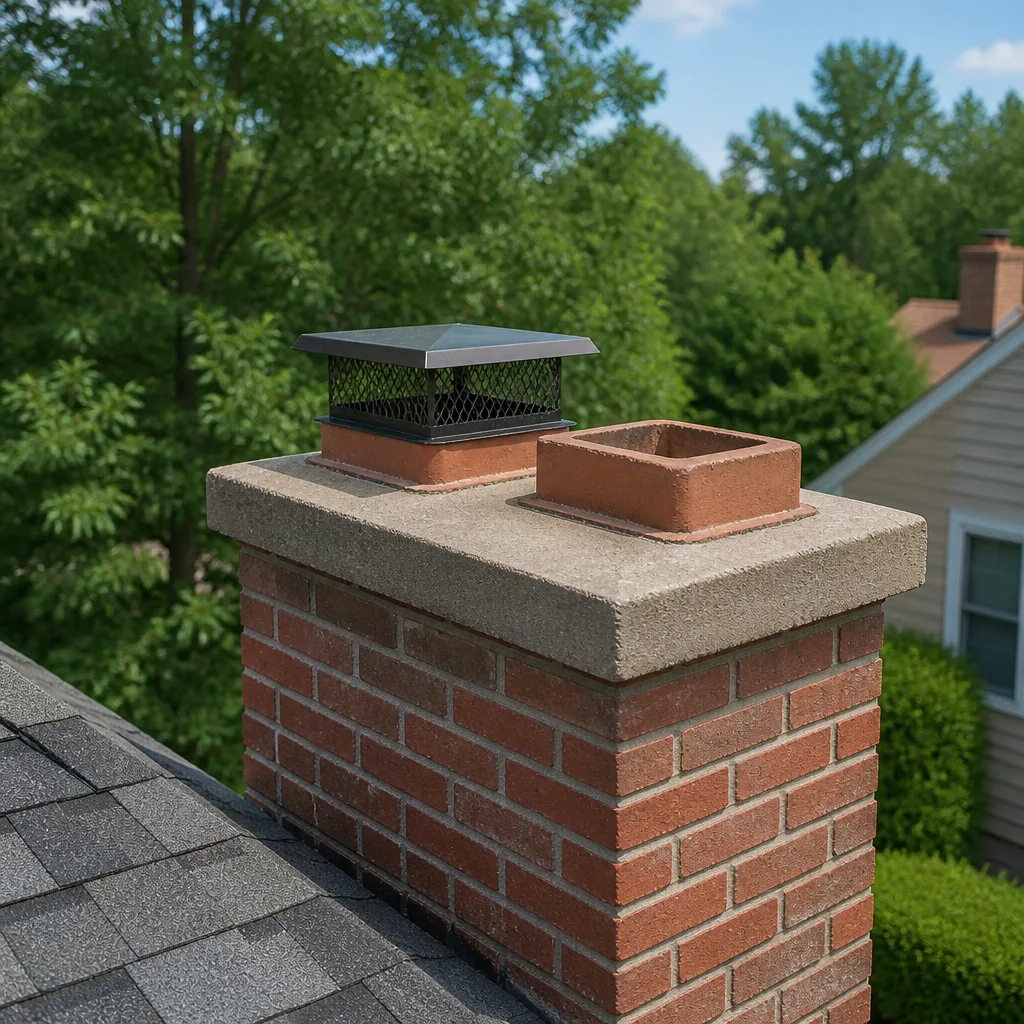 Sweep & inspection
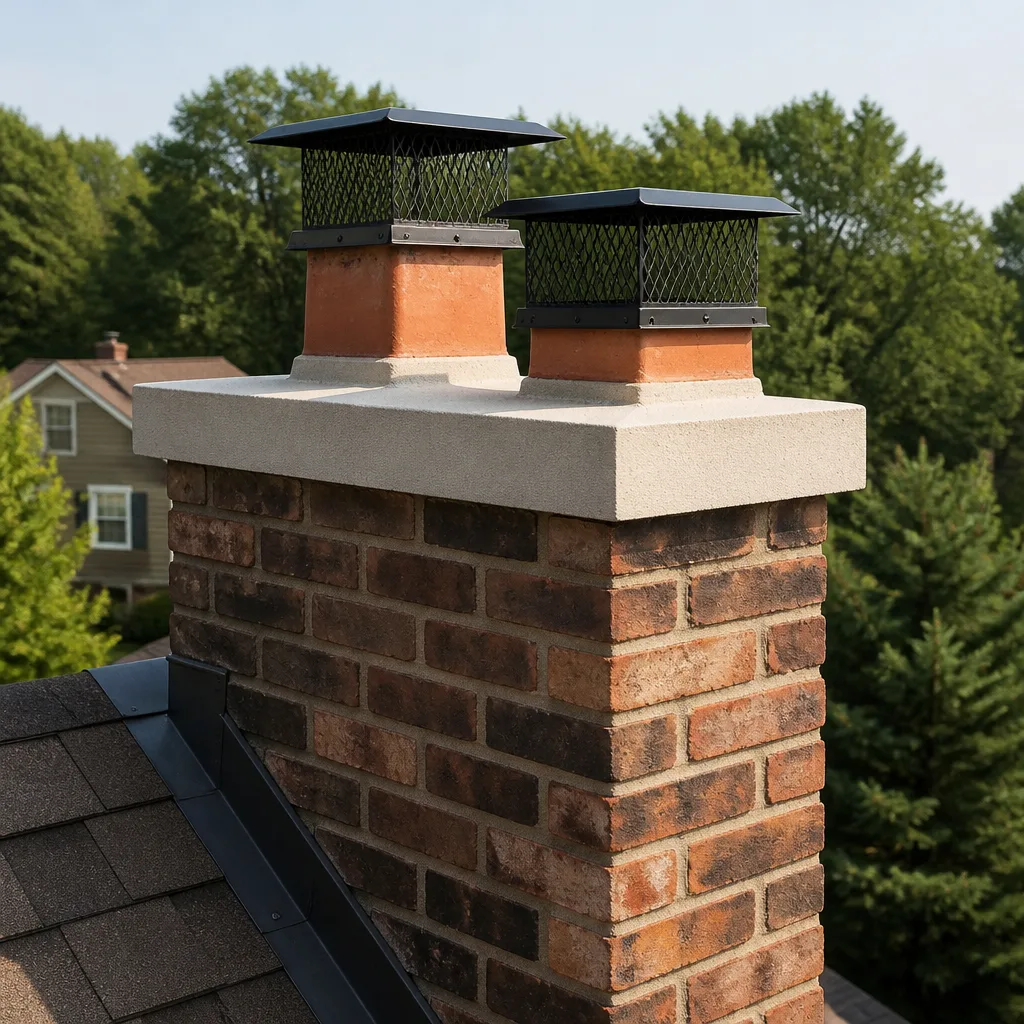 Caps & crowns
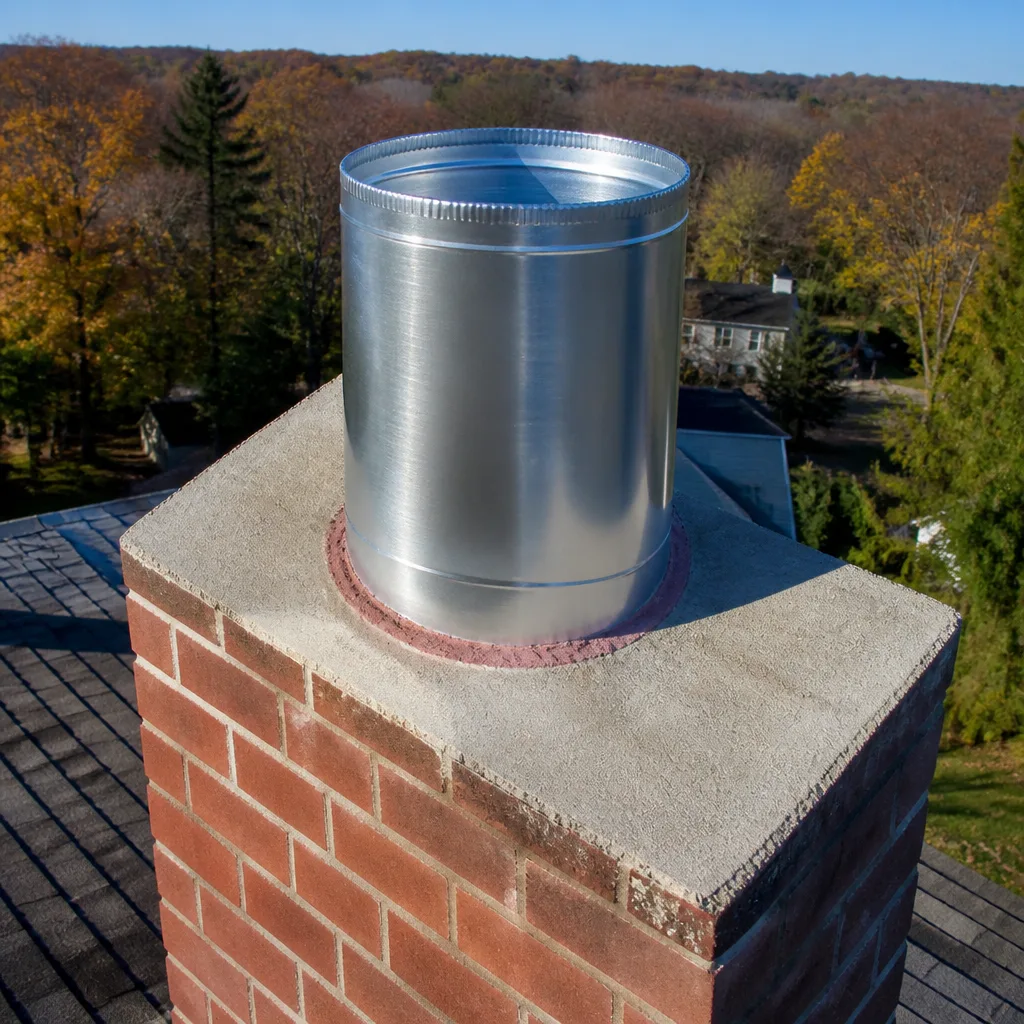 Flue relining
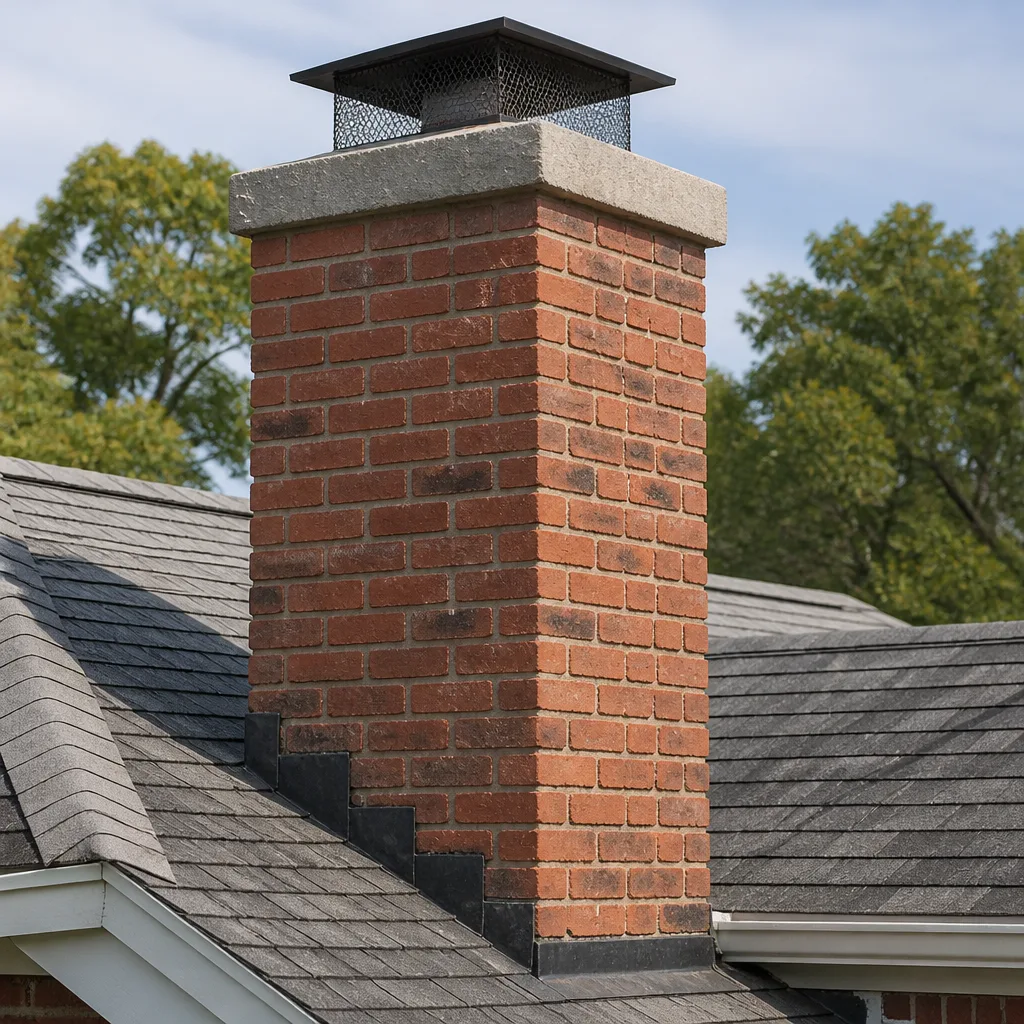 Masonry repair
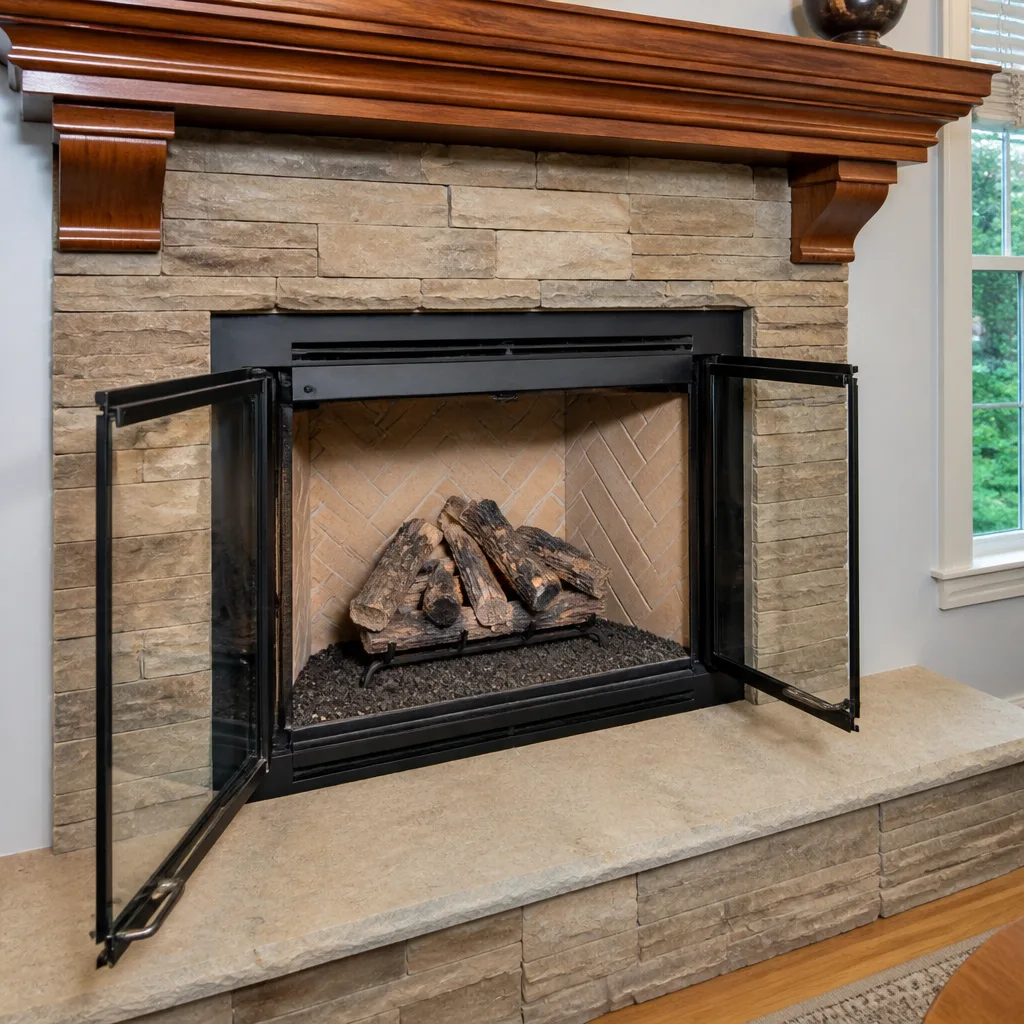 Gas fireplace service
Level 1 sweep and inspection to the NFPA 211 annual standard - flue, crown, cap, and flashing checked and photographed
Chimney sweep logs do not sweep chimneys. They loosen some creosote - which then falls where a brush and vacuum still have to collect it.
DIY vs Professional Chimney Cleaning: The Fort Wayne Homeowner’s Decision Guide
Every hardware store in Fort Wayne sells chimney brushes, and plenty of mechanically inclined homeowners have used one. The tool that actually determines whether a chimney is safe, though, is a closed-circuit camera, and what that camera finds inside a Fort Wayne home built before 1970 is often invisible from both ends of the flue. That gap between what a brush reaches and what a chimney contains is the whole debate, and it has little to do with whether you’re handy. This guide walks through what you can legitimately do yourself, what genuinely requires professional equipment, where DIY cleaning can create a false sense of security, and how to make the call for your own house.
Quick Answer
A homeowner can safely handle firebox sweeping, ash removal, and visual checks of the cap and crown from the ground. Anything past the firebox – the smoke chamber, the flue’s interior surfaces, the condition of clay liner joints, and the stage of creosote buildup – requires professional equipment and training to assess accurately. For most Fort Wayne homes with wood-burning fireplaces, annual professional sweeping plus between-season homeowner maintenance is the safer and more cost-effective split.
Styles & brands we work with
- Sweep & inspection
- Caps & crowns
- Flue relining
- Masonry repair
- Gas fireplace service
Table of Contents
- What a Homeowner Can Legitimately Do Themselves
- What Requires Professional Equipment
- How DIY Cleaning Creates a False Sense of Security
- Why Older Fort Wayne Clayton Liners Change the Calculation
- Insurance Implications of a DIY-Cleaned Chimney
- A Decision Framework: DIY vs Professional
- What Professional Cleaning Costs in Fort Wayne
- How Often a Fort Wayne Chimney Actually Needs Sweeping
What a Homeowner Can Legitimately Do Themselves
There are real tasks a homeowner can and should handle. We’re not going to pretend the entire trade is off-limits to anyone but us. Homeowners who want to stay involved in their chimney’s upkeep can do the following safely, and doing them consistently makes a professional sweep faster and more effective when it happens.
- Firebox sweeping. Once the firebox is fully cold, a stiff brush and a vacuum (or a shovel and a metal bucket) can clear the firebox floor of ash, cinders, and unburned wood debris. This is the single biggest thing a homeowner can do between professional visits.
- Ash removal. Empty the ash pit or firebox pan when it’s about two-thirds full. Ash that’s allowed to build up reduces airflow through the fire and can leave more unburned creosote precursor in the flue.
- Visual cap checks from the ground. From the yard, look up at the chimney cap. A missing or rusted-through cap, a cracked crown, or a screen that’s pulled loose are all things you can spot safely from grade with binoculars.
- Door and damper inspection. Check that the glass doors seal reasonably and that the damper opens and closes smoothly. These are easily diagnosed, and a damper that won’t open freely is worth a professional look.
- Ground-level masonry checks. Look at the outside of the chimney where it meets the roof and where it rises above the roofline. Spalling brick or a visible crack in the crown are worth flagging to a professional before they get worse.
What’s worth saying plainly: none of this gets your flue clean. Firebox sweeping removes ash; it does not remove the creosote glaze that builds up on the inside walls of a flue. The two tasks look related and are not the same. A homeowner who sweeps the firebox monthly and assumes the chimney is clean is doing the equivalent of wiping down a counter without washing the dishes.
What Requires Professional Equipment
This is where the DIY conversation usually breaks down, because the gap isn’t about effort or skill – it’s about tooling. There are four areas of a chimney that a homeowner simply cannot assess properly without equipment, and each of them matters to fire safety in a real way.
Smoke chamber inspection
The smoke chamber is the sloped area just above the damper and below the flue. It’s notorious for collecting creosote in corners that a straight flue brush can’t reach, and it’s the part of a masonry chimney that’s most commonly missed in a DIY brush pass. Accessing it requires getting past the damper frame with a proper rod and using a shaped brush or whips that reach into the corners without damaging the brick.
Liner camera scan
A closed-circuit camera is the only reliable way to see the interior surfaces of an entire flue from firebox to cap. Even a well-equipped DIY brush pass can’t tell you whether a clay tile joint has cracked or a section of liner has separated, because the interior of the flue is dark, narrow, and inaccessible to the eye. This is the reason the camera is the tool that actually determines safety.
Creosote stage assessment
Creosote builds in three recognizable stages, and only the first is realistically something a homeowner can evaluate. Stage 1 is a light, flaky, easily brushed coating. Stage 2 is a tar-like glaze that requires dedicated equipment and, sometimes, chemical treatment to remove safely. Stage 3 is a hardened, glazed coating that is genuinely a fire hazard and requires professional intervention. Telling stage 2 from stage 3 without a proper assessment is guesswork, and guessing wrong on a stage 3 flue matters.
Liner and joint integrity check
A flue brush can loosen debris, but it can’t tell you whether a masonry chimney’s clay tiles have hairline cracks that allow hot gases to migrate into the surrounding structure. In a Fort Wayne home built before 1970, this kind of check is often the most important part of the visit.
This is the equipment a professional sweep is using every time, and it’s why the visit is not the same service as a homeowner’s brush pass even when both are called “cleaning.” If you want to see what thorough looks like, we’re happy to walk through it – you can read more about the chimney sweep process if you’re weighing options.
How DIY Cleaning Creates a False Sense of Security
The most dangerous outcome of a DIY cleaning isn’t the debris left behind – it’s the confidence it can generate. A homeowner who brushes a flue from the rooftop, sees dark soot coming out, and decides the job is done has often confirmed only that the brush reached some of the flue. The rest of the chimney remains unassessed, and the parts most likely to contain a hazard are frequently the parts the brush didn’t reach.
Three scenarios in Fort Wayne homes make this worse.
- Offset flues. Plenty of Fort Wayne homes have chimneys where the flue shifts off vertical at one point to clear a roofline or another structure. A straight brush pass tends to miss the outside of that offset entirely, and the creosote that collects there is hard to see without a camera.
- Clay liner sections in older masonry chimneys. Homes built before 1970 frequently have the original clay tile liner, which develops hairline cracks as the house settles and cycles through Fort Wayne’s freeze-thaw winters. A DIY brush pass can’t see those cracks, and cracks are the mechanism by which hot gases and carbon monoxide get into the structure.
- Fireplace-to-insert conversions. If a wood-burning fireplace was at some point fitted with a gas insert, the venting arrangement changed. A homeowner brushing on the assumption that the flue is still configured for wood can inadvertently work against a venting setup that wasn’t designed for a brush at all.
A false sense of security is a worse condition than no information, because it eliminates the reason to call anyone. A homeowner who isn’t sure whether the chimney is clean tends to call. A homeowner who believes it’s clean (because they brushed it) doesn’t. The gap between those two positions is where chimney fires started from.
Why Older Fort Wayne Clayton Liners Change the Calculation
Fort Wayne has a lot of housing stock from the 1920s through the 1960s, and most of those chimneys were built with the era’s standard approach: masonry walls with a clay tile liner. The clay tile was a durable material for its time, and plenty of those original liners are still in service. But clay tile has two properties that matter when we’re talking about DIY cleaning.
The first is that clay tile is rigid, and it cracks. When the chimney heats up during a fire and cools down when the fire goes out, the tile expands and contracts slightly. Fort Wayne’s winters add another cycle on top of that – freezing and thawing around the exterior of the chimney, which moves the masonry just enough over decades to crack tile joints. Those cracks aren’t visible from either end of the flue, and they can be the pathway for heat and gases to reach framing.
The second property is that clay tile isn’t compatible with creosote removal in the same way a modern liner is. A heavy glaze on clay tile can pit the surface if it’s removed aggressively, which is why a professional assessment often recommends resurfacing rather than aggressive cleaning. Products like HeatShield exist for exactly that reason – they resurface the clay flue interior and restore integrity without a full relining.
For Fort Wayne homeowners in neighborhoods with older masonry chimneys – think the homes around West Central, Williams-Woodland Park, and the older parts of Forest Park – this matters more than it does in newer construction. An original clay liner that’s 60+ years old is at the stage where it wants to be looked at, not just swept past. A camera scan is how that happens. If a professional assessment turns up a liner that’s past resurfacing, full relining with a product like DuraFlex is the next step up.
Insurance Implications of a DIY-Cleaned Chimney
This is one of the questions we hear most often, and it deserves a straight answer rather than a hedge.
Most homeowner insurance policies contain maintenance-related exclusions. In general terms, an insurer’s position on a chimney fire often turns on whether the fire was caused by neglect or lack of maintenance. Whether a DIY-cleaned chimney specifically affects a claim depends on the policy language and on what an adjuster can determine about the cause. We’re not in a position to tell you exactly how your policy works – that’s a question for your insurer – but we can tell you what tends to matter in practice.
What tends to matter:
- Whether a professional inspection record exists for the chimney.
- Whether the fire is traceable to a condition (a cracked liner, a stage 3 creosote buildup) that a professional inspection would reasonably have caught.
- Whether the homeowner can document routine maintenance.
What a professional sweep provides that a DIY pass does not: a documented inspection and cleaning. That record is the thing an insurer may ask for. More importantly, the conditions an inspection catches – a cracked clay liner, a separated flue joint, a heavy creosote glaze – are the conditions that lead to the type of fire insurers care about, and catching them early is how you avoid ever needing the claim. This is not a scare tactic; it’s how the coverage conversation usually works.
A Decision Framework: DIY vs Professional
Here’s the framework we recommend to Fort Wayne homeowners who are trying to sort this out honestly.
Safe for a homeowner to handle
- Firebox sweeping and ash removal, once the firebox is fully cold.
- Visual checks of the exterior cap, crown, and masonry from the ground.
- Checking that the damper and doors operate smoothly.
- Keeping the area around the fireplace clear and the firewood dry.
Professional visit strongly recommended
- Annual cleaning and inspection on a home with a wood-burning fireplace in regular use.
- Any home that has not had the chimney inspected since it was purchased.
- A home built before 1970 with the original clay liner, especially if a camera scan has never been done.
- Any chimney where a homeowner has never seen the inside of the flue.
Professional visit non-negotiable
- A suspected chimney fire, even a small one that self-extinguished.
- Visible creosote glaze inside the firebox or on the damper.
- A gas insert or appliance where venting integrity is a safety concern.
- Water intrusion around the chimney chase, cracked crown, or visible masonry spalling.
- Any chimney where a homeowner has previously done a DIY brush pass and has not had a camera inspection since.
If you’re squarely in the “annual cleaning” category, that’s a well-established service and the right time to set it up. If you’re in one of the categories above the line, that’s the point at which the conversation should shift to a proper chimney repair assessment rather than another cleaning pass. Our technicians have up to experience and work the full sweep-to-repair-to-inspection cycle, so the person who finds a problem is the person who can fix it.
What Professional Cleaning Costs in Fort Wayne
The honest answer on cost is that it varies by chimney, but a typical professional cleaning and inspection visit in the Fort Wayne market is a flat price quoted before the work begins. What you’re paying for is not the brush – it’s the camera scan, the trained assessment, and the documentation that comes with it.
What tends to affect the estimate:
- Whether the flue is straightforward or has an offset.
- Whether the creosote has reached a glazed stage that requires more than a standard brush pass.
- Whether the chimney has a single flue or multiple flues (a wood fireplace plus a gas appliance, for example).
- Whether the visit is a routine cleaning or a cleaning plus a repair assessment.
A flat quote agreed before the visit is what you should expect. If a quote for a cleaning visit is dramatically low, the question to ask is whether the visit includes a camera inspection, because that component is where the value sits. We give free estimates in Fort Wayne and quote per job so you know the price before we schedule.
How Often a Fort Wayne Chimney Actually Needs Sweeping
For a wood-burning fireplace in regular use, once a year is the standard recommendation, and Fort Wayne’s burn season – roughly October through March – makes late summer and early fall the practical window to schedule it. A chimney that’s burned through a full season with dry hardwood is going to have some buildup, and catching it at the end of the season is better than catching it after another full year of use.
Frequency shifts in a few circumstances:
- Burning unseasoned or “green” wood produces more creosote, so a chimney in that condition may need a mid-season check.
- A gas insert requires its own inspection cadence because the venting arrangement is different from a wood fireplace. Annual inspection is still the starting point, but the specifics depend on the appliance.
- A home that has sat vacant or been used as a rental – especially in Fort Wayne’s older housing stock – should get an inspection before the first fire of the season regardless of what the previous year looked like.
- Any home where the previous owner’s maintenance record is unknown should get a camera inspection before the first fire, full stop.
If you’re not sure where your chimney fits, that’s the reason to call. The cost of a camera inspection is a fraction of the cost of a repair that could have been prevented by seeing a cracked liner early. We work with six professional product lines – DuraFlex, HeatShield, Gelco, Olympia Chimney, Famco, and Copperfield – because no two chimneys need the same fix, and it’s better to know what options are on the table before the work starts than after.
Common Mistakes to Avoid
- Assuming a clean brush pass equals a clean chimney. Brush passes reach the flue’s straight sections and miss offsets, smoke chamber corners, and the creosote that has glazed onto the clay tile. If you’ve only brushed it, you’ve only cleaned part of it.
- Burning “green” or unseasoned wood in Fort Wayne’s damp season. It burns cooler and produces more creosote than dry, seasoned hardwood, and the extra buildup accumulates where a brush pass can’t easily reach.
- Skipping the camera scan because the chimney “looks fine.” The flue’s interior surface isn’t visible from either end. A camera scan is the only way to see a cracked clay joint or a separated liner, and those conditions don’t announce themselves.
- Guessing at the creosote stage. Light soot that brushes off easily is not the same thing as a glazed stage 2 or 3 coating. Treating the second as the first is the mistake that leads to a chimney fire.
- Putting off a first inspection in a recently purchased older home. In Fort Wayne neighborhoods with pre-1970 housing stock, the previous owner’s maintenance history is often unknown, and the liner’s condition – including whether it’s been resurfaced or relined – should be established before the first fire.
- Assuming a gas insert means the chimney doesn’t need attention. Gas appliances have their own venting requirements, and an insert installed years ago may need an inspection that isn’t the same as a wood-fireplace sweep.
- Treating annual maintenance as a discretionary expense. A cleaning and inspection visit is routinely less expensive than the repair work that follows a chimney fire or a neglected liner.
See the difference
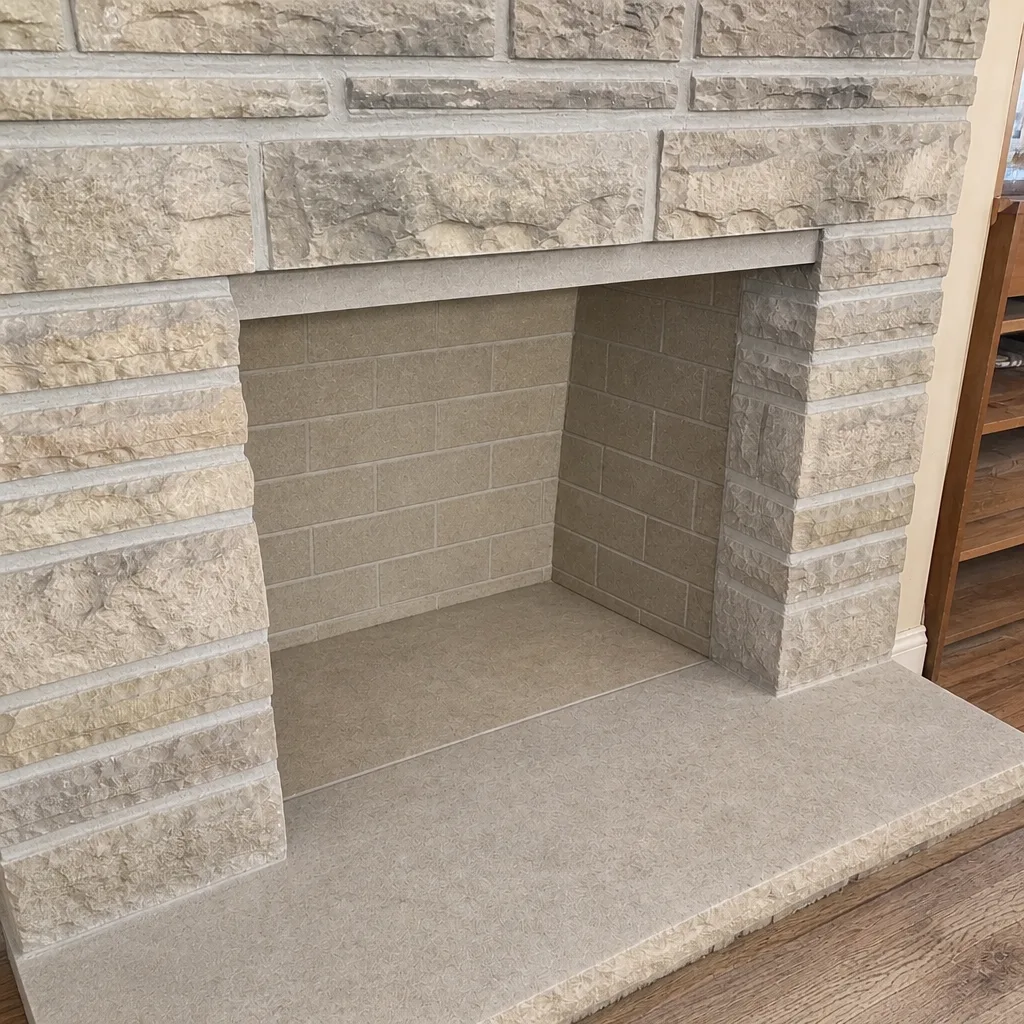
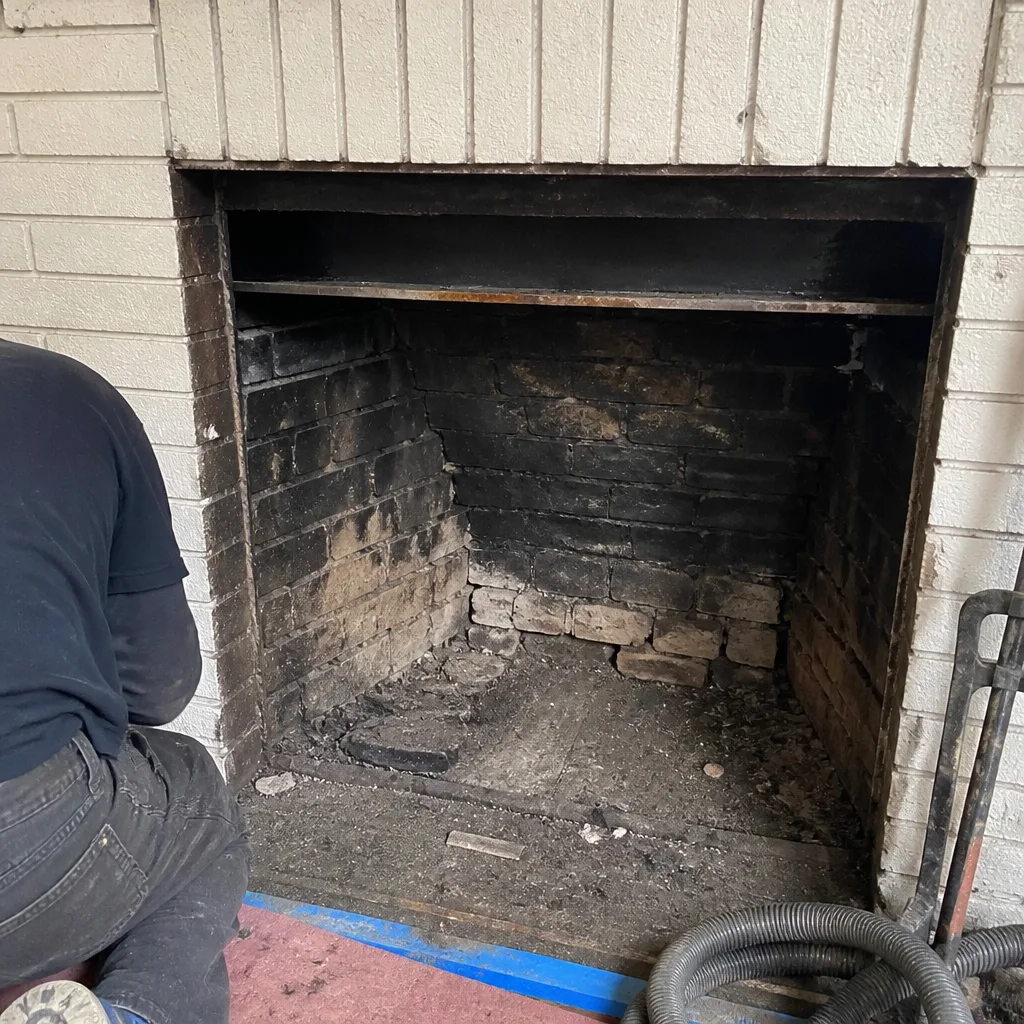 Before
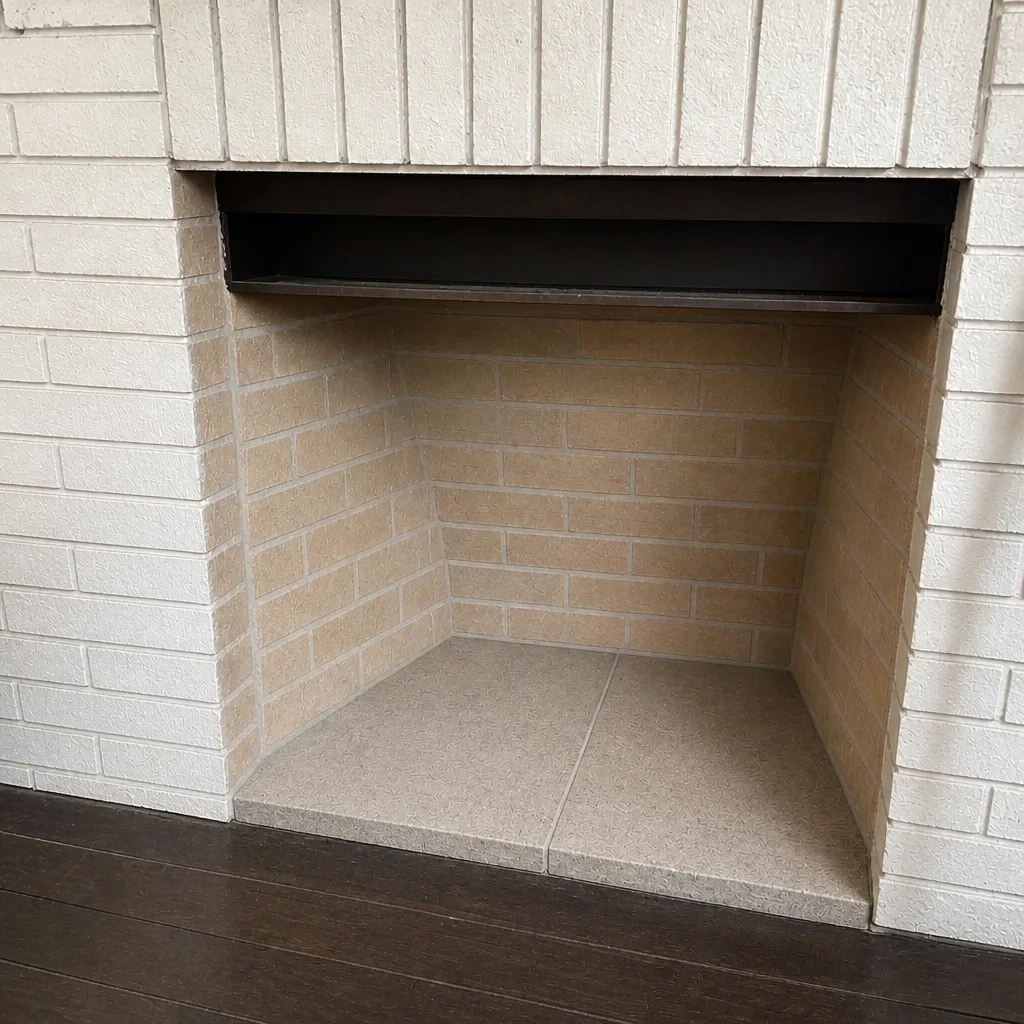 After
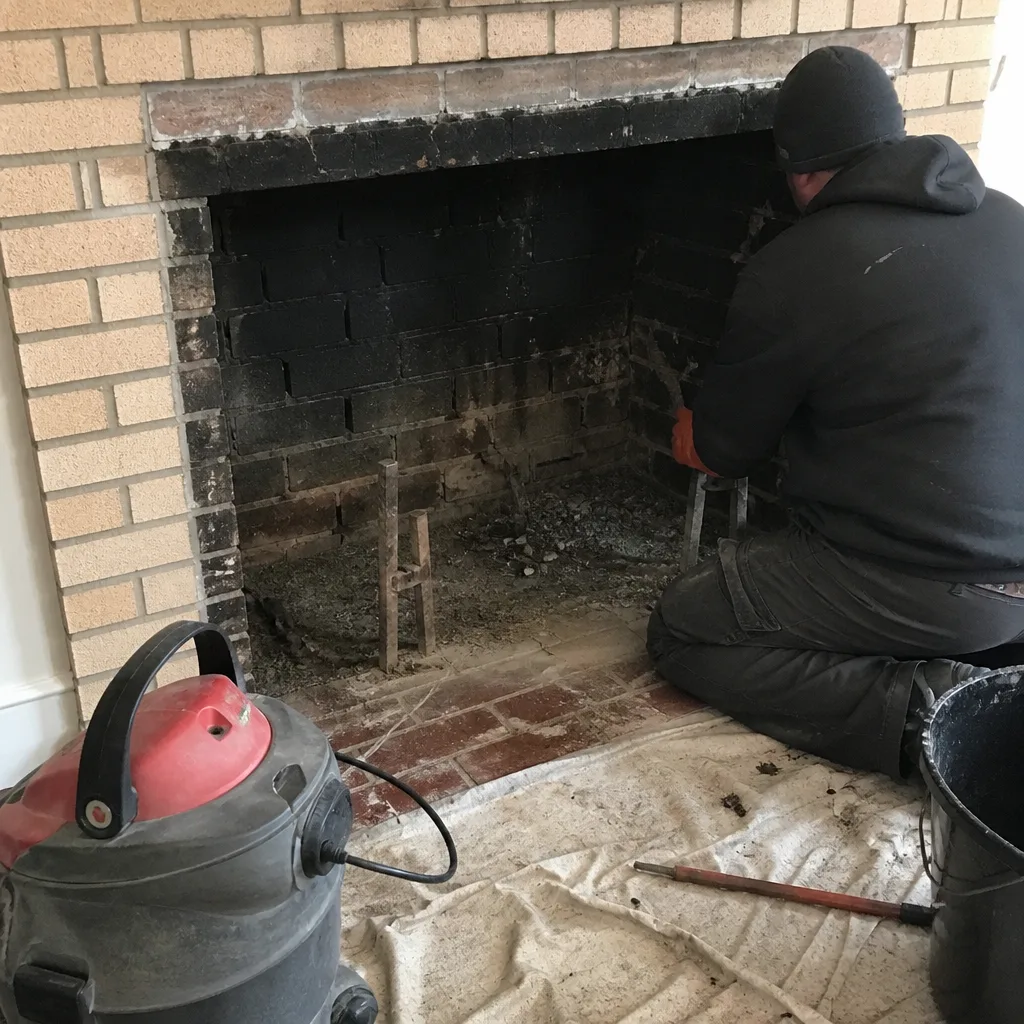
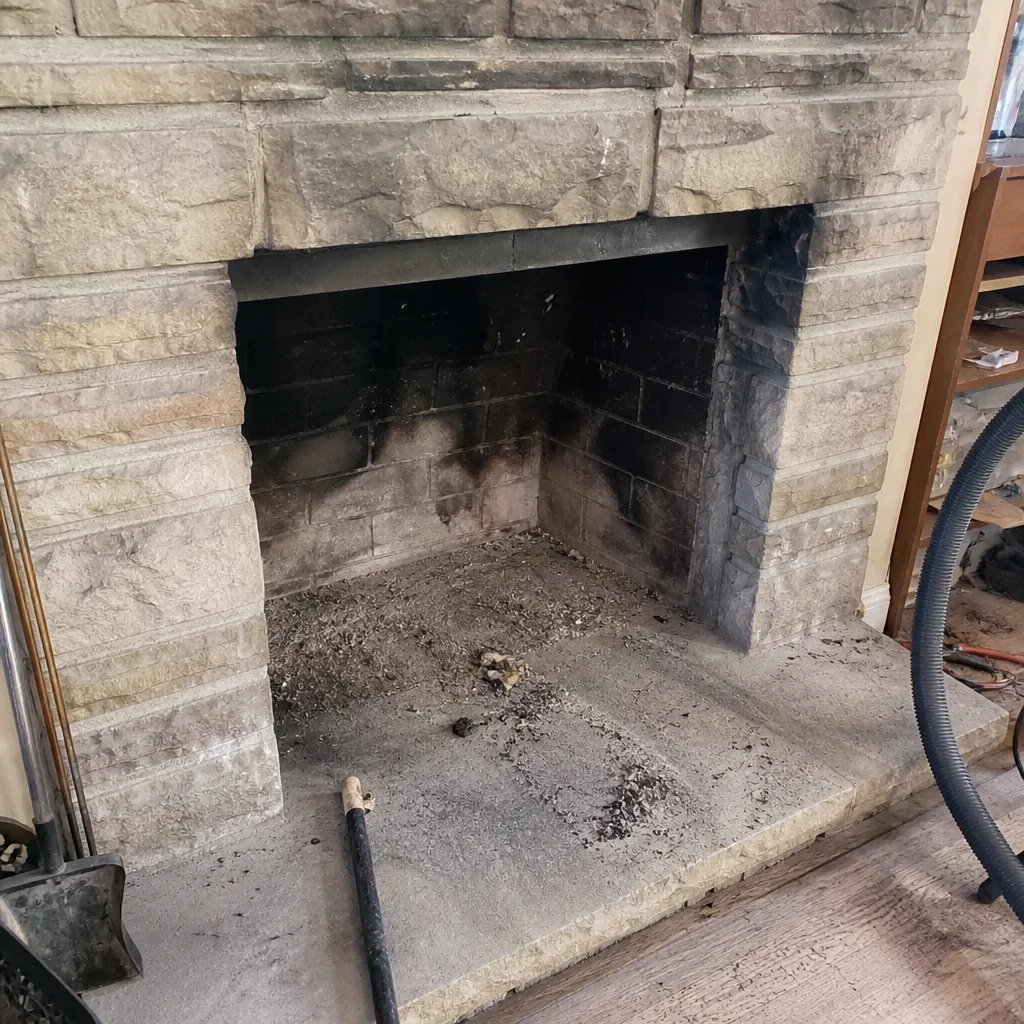 Before
 After
 Before
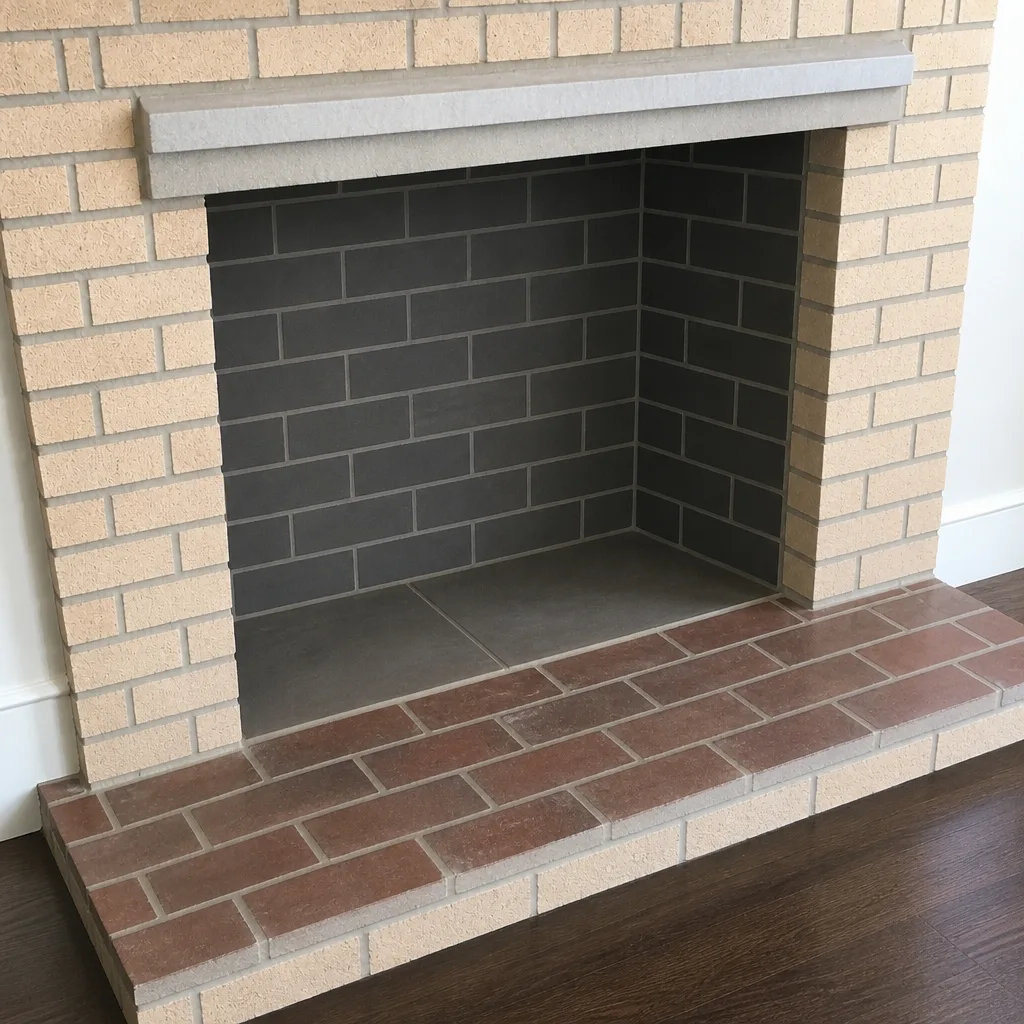 After
When to Call a Professional
If you’re in Fort Wayne and you’ve never had the inside of your flue checked with a camera, that’s the call. If the home was built before 1970 and still has its original clay liner, that’s the call. If you’ve done a DIY brush pass at any point and haven’t had a professional inspection since, that’s the call. If your chimney has been in use for a full season without a cleaning, or you’re seeing creosote glaze in the firebox, or you can’t remember the last inspection, that’s the call. Fort Wayne Chimney Sweep offers free estimates in Fort Wayne and we can set up a Fort Wayne Chimney Sweep appointment that covers inspection, cleaning, and any repair that follows in the same cycle so you aren’t handed off to a second contractor after the walkthrough. Call (866) 589-6152 to set it up.
Frequently Asked Questions
You can brush portions of it, but a hardware-store brush pass does not constitute a proper cleaning. A brush reaches the flue’s straight sections and misses the smoke chamber corners, any offset in the flue, and the glazed creosote that’s bonded to the liner. The parts a brush misses are frequently the parts that matter for safety.
The distinction is what the visit includes. A sweep is a cleaning pass; a professional cleaning visit includes a camera scan of the liner and an assessment of the creosote stage, and that’s what tells you whether there’s a repair lurking behind the cleaning. If you haven’t had a camera scan of your flue, the answer is always professional.
It can, depending on the policy language and the cause of the fire. Most policies contain maintenance-related exclusions, and an insurer may look at whether routine maintenance was documented. Your insurer can tell you exactly how your policy reads; what we can tell you is that a documented professional inspection is the record that tends to answer those questions.
Yes – homes built before 1970 in Fort Wayne typically have the original clay tile liner, and clay tile is prone to hairlines and joint cracks as the home ages through Fort Wayne’s freeze-thaw cycles. Those cracks aren’t visible without a camera scan, and they’re the pathway for hot gases and carbon monoxide. An older clay liner is one of the strongest reasons to get a professional camera inspection rather than a DIY brush pass.
Once a year for a wood-burning fireplace in regular use, and that’s the standard we recommend for Fort Wayne homes. If you’re burning unseasoned wood or have a gas insert, the inspection cadence may shift, and a chimney that has sat vacant should get an inspection before the first fire regardless of the previous year’s use.
A sweep is the cleaning portion; an inspection is the assessment of the chimney’s condition, including the liner and the surrounding masonry. A professional visit should include both. That’s why we run the full cycle – inspection, cleaning, and repair with the same Fort Wayne team – because a sweep who can’t do the repair is only half the job.
The Bottom Line
A homeowner can safely handle firebox sweeping, ash removal, and visual checks from the ground, and should. Everything past that – the smoke chamber, the flue’s interior, the liner’s condition, the creosote stage – needs professional equipment, and in Fort Wayne’s older housing stock that difference is often the whole safety conversation. If you have an original clay liner in a pre-1970 home, or you’ve brushed the flue yourself and never had a camera scan, the camera scan is what determines whether the chimney is clean enough to burn another season safely. Our technicians have up to experience working flues, and the products we carry – including DuraFlex and HeatShield – are there because the fix a chimney needs is often not the fix it first appears to need. Free estimates, flat quote before the work begins, and a camera scan of your liner before anything gets recommended.
Call (866) 589-6152 for a free estimate. We answer 24/7. Fast dispatch from 7am to 7pm, Sunday through Friday.
Written by the team at Fort Wayne Chimney Sweep.