
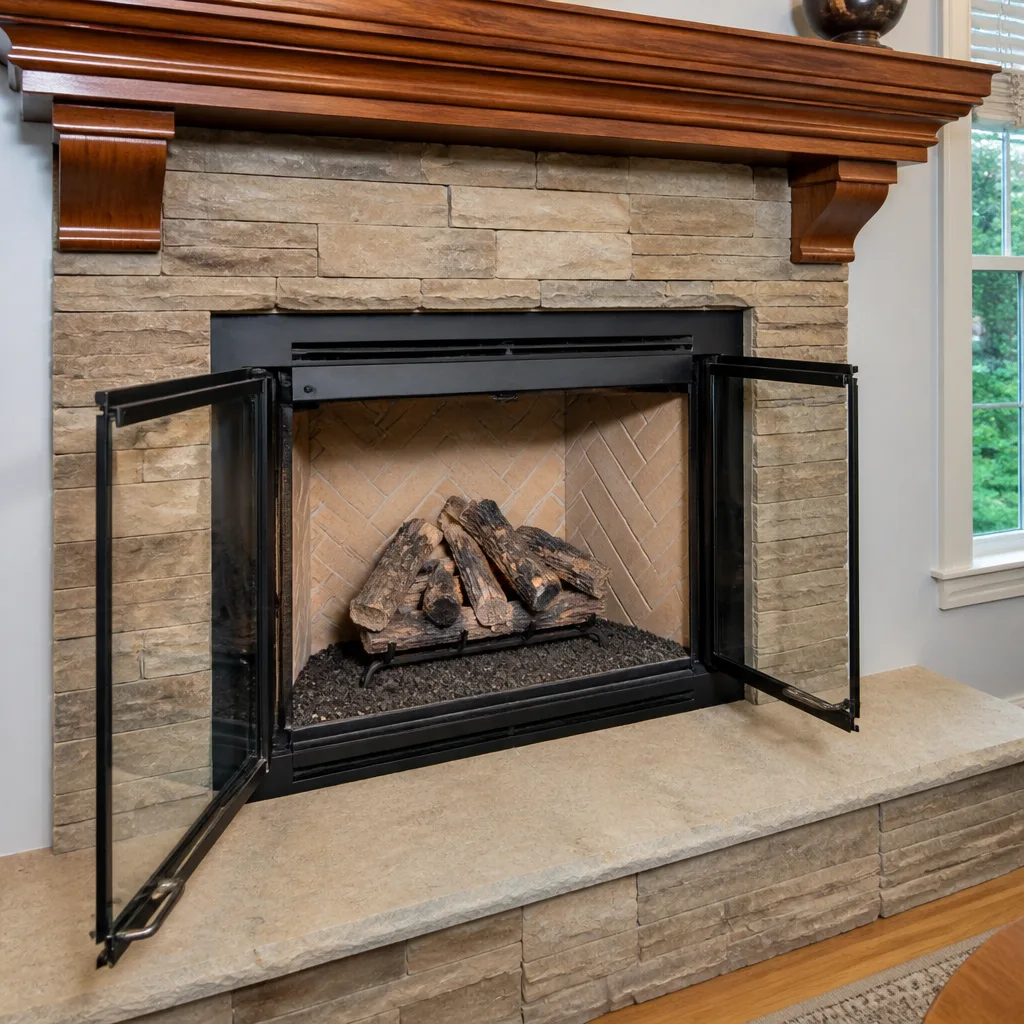
 Gas fireplace service
 Sweep & inspection
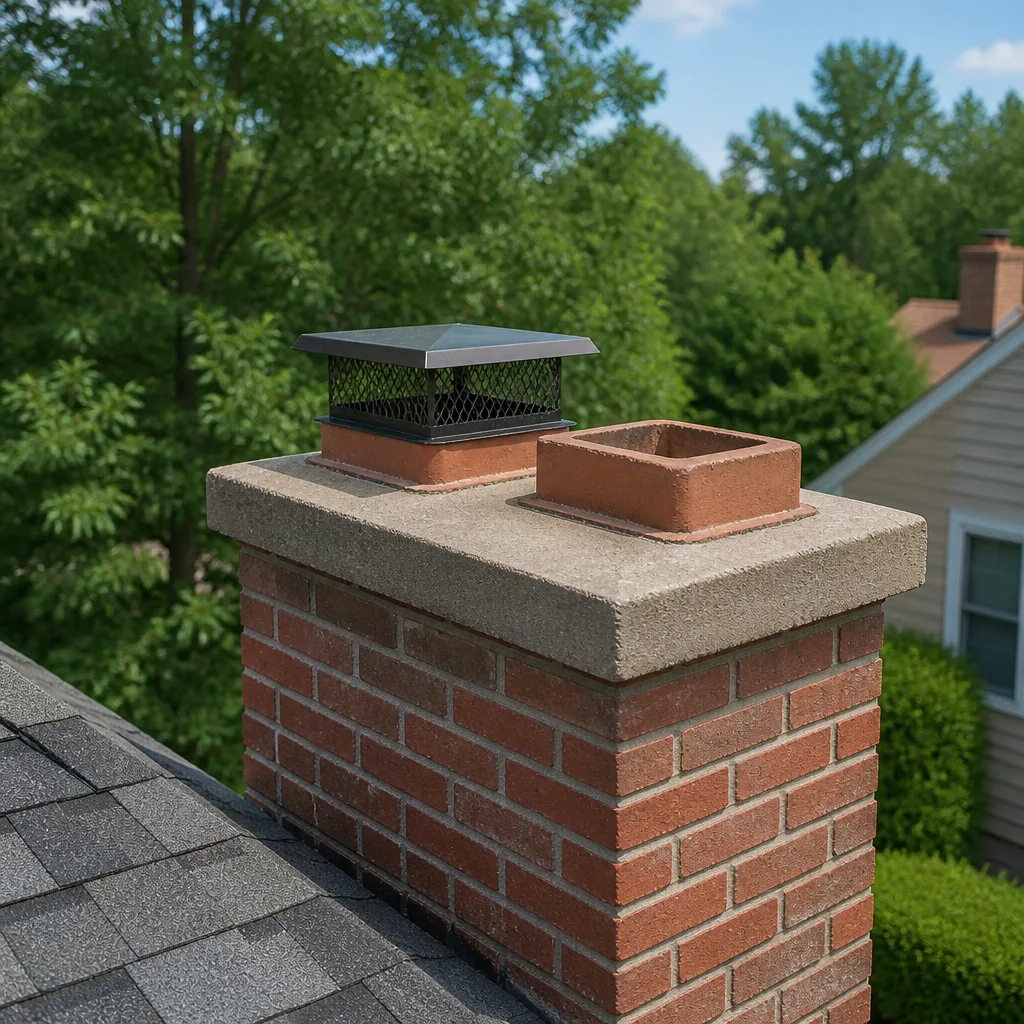
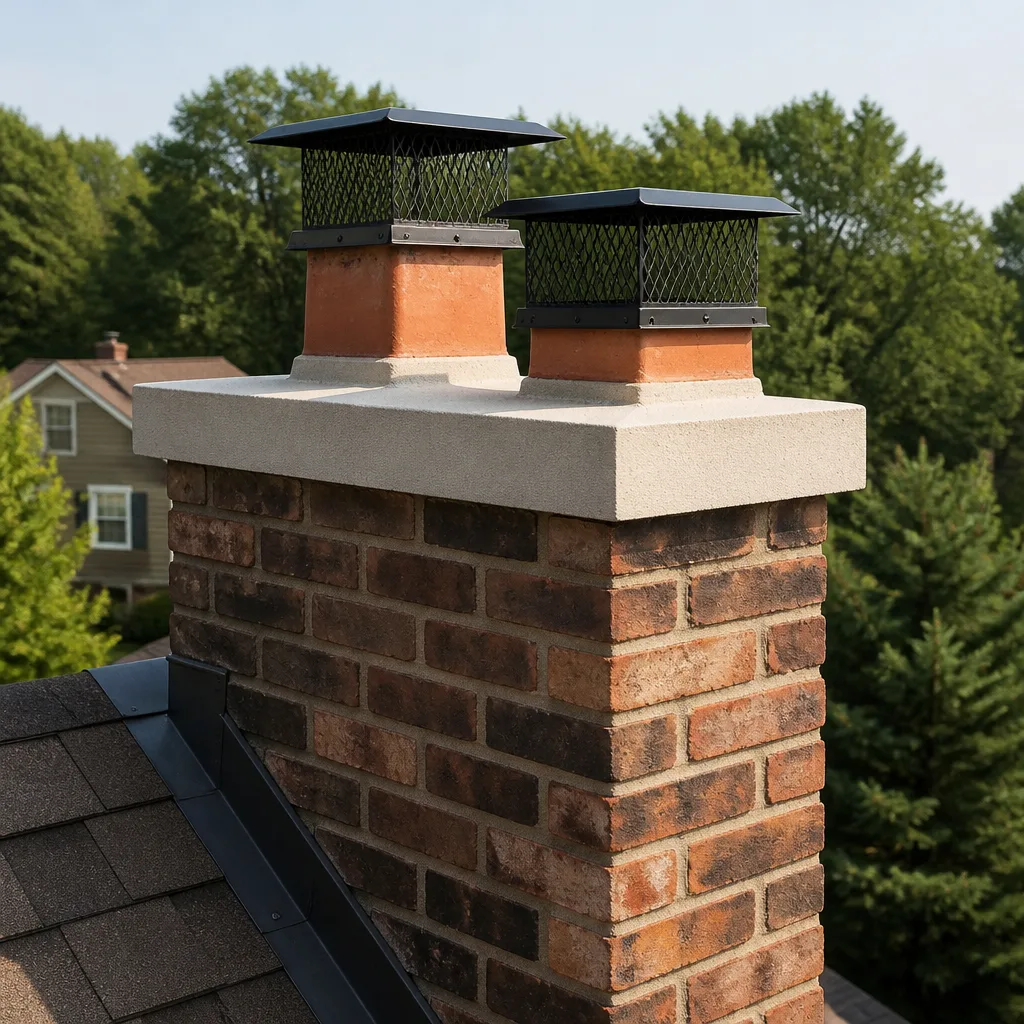 Caps & crowns
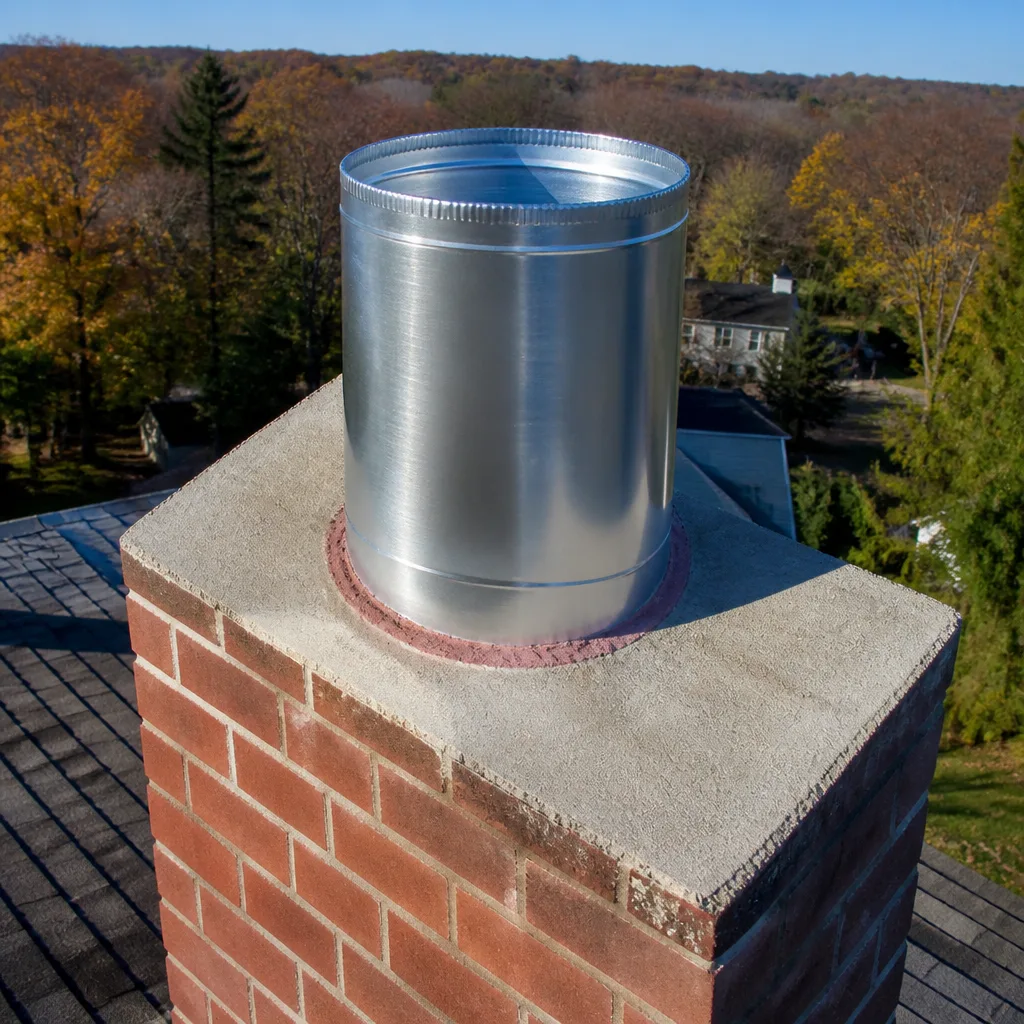 Flue relining
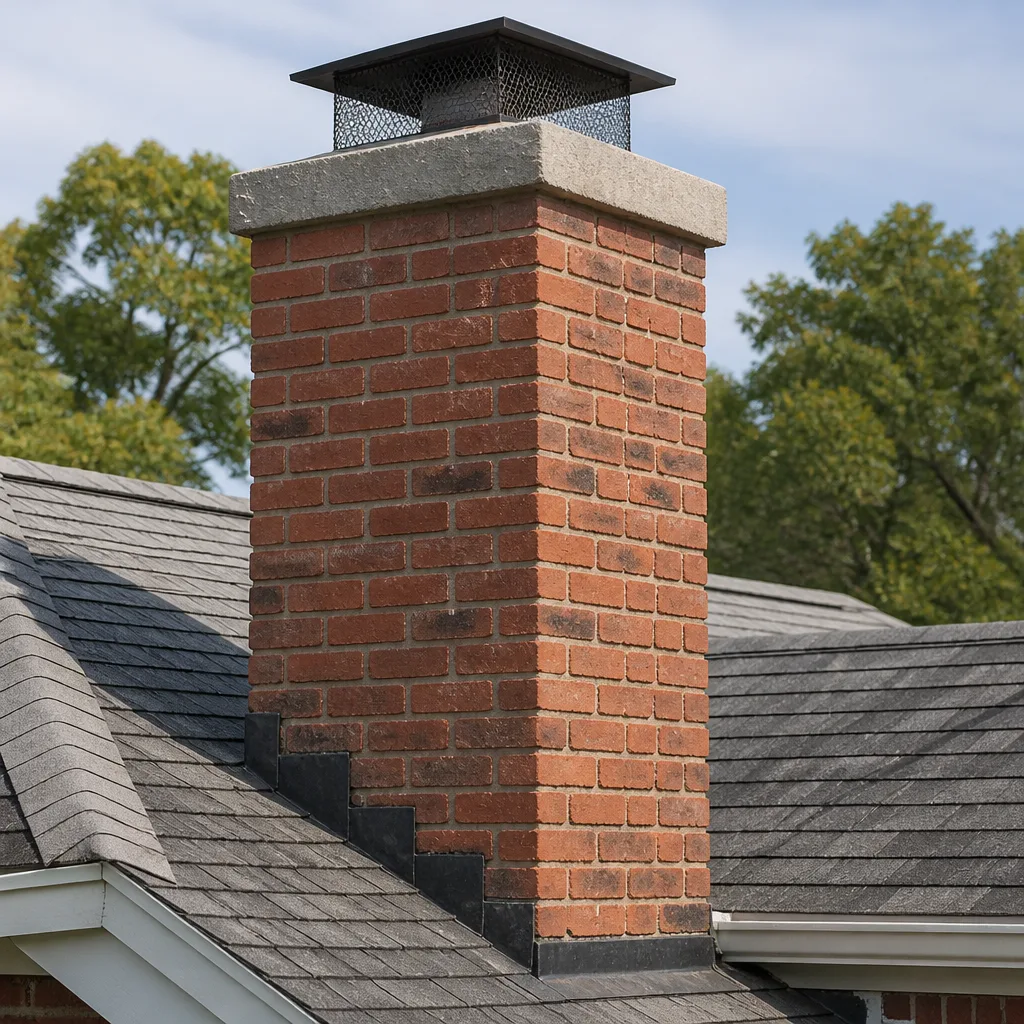 Masonry repair
Level 1 sweep and inspection to the NFPA 211 annual standard - flue, crown, cap, and flashing checked and photographed
Chimney sweep logs do not sweep chimneys. They loosen some creosote - which then falls where a brush and vacuum still have to collect it.
Why Fort Wayne Homeowners Choose HeatShield Chimney Cleaning
We provide independent HeatShield chimney cleaning and service in Fort Wayne. HeatShield is a cast-in-place refractory liner system used to restore damaged flue interiors without a full tear-out, and our work starts with evaluating the existing flue rather than assuming a liner is the answer. We are not authorized, affiliated with, or endorsed by HeatShield. We’re an independent service provider, which means our assessment covers HeatShield alongside DuraFlex and Gelco so the recommendation fits your flue, not a brand quota.
That independence matters in Fort Wayne. The city’s older core neighborhoods carry original clay tile liners that have been through a century of hard northern Indiana winters. Deciding whether that flue gets resurfaced, relined, or simply swept and monitored is a judgment call, and it’s one we make on camera evidence you can see yourself.
Call (866) 589-6152. We answer 24/7. Fast dispatch from 7am to 7pm, Sunday through Friday.
Key Takeaways
- HeatShield is a resurfacing method, not a universal fix. Prep and inspection decide whether it holds.
- We’re independent. No manufacturer authorization, no single-brand loyalty.
- Every recommendation is backed by a Level 2 camera inspection you watch with us.
- Our technicians have up to experience with flue systems.
Why Trust Fort Wayne Chimney Sweep for Your HeatShield Chimney Cleaning?
Our technicians have up to experience working inside flues, and a good share of that time has been spent on resurfacing jobs and the ones that should never have been resurfacing jobs. HeatShield work rewards familiarity. The mix is proprietary, the application is proprietary, and the outcome depends heavily on how well the substrate was read before anyone mixed a batch.
We sweep, inspect, and repair under one roof. When a HeatShield evaluation turns up separated clay tile joints or a failed crown, you’re not handed off to a second contractor who has never seen your chimney. The same crew that inspected it does the work. That single point of accountability is the practical difference between a repair that holds and one that gets re-diagnosed six months later by somebody else.
On parts, we’re clear about what’s real. The HeatShield mix and application are proprietary, so no aftermarket substitute stands in for them. A qualified installer uses genuine HeatShield product applied to spec, and we do exactly that. What we control is the prep, the substrate evaluation, and the surrounding masonry and crown work that determines whether the pour bonds and cures correctly. We use quality parts that fit the system, and we don’t cut corners on the steps that are easy to skip and expensive to skip.
Warranty-safe practice is part of the job. Manufacturer warranty terms are set by the manufacturer, not by us, and we won’t quote you coverage that isn’t ours to promise. What we can tell you is that documented inspection, honest substrate assessment, and proper cure are what keep a resurfacing job defensible if a question ever comes up.
Styles & brands we work with
- Sweep & inspection
- Caps & crowns
- Flue relining
- Masonry repair
- Gas fireplace service
Common HeatShield Chimney Cleaning Problems We Fix in Fort Wayne
Most HeatShield failures we’re called out to in Fort Wayne trace back to one of five causes. None of them are the material’s fault. All of them are preventable.
- Misapplication over a dirty flue. Soot and glazed creosote left on the tile prevent the HeatShield mix from bonding. When the bond fails, the liner surface separates in sheets rather than wearing gradually. This is the single most common cause we find, and it’s why creosote removal to bare tile comes before anything gets poured. If a quote skips the sweep, ask why.
- Improper cure or excessive thickness. The liner cracks, delaminates, and flakes when it’s applied too thick or cured without the conditions the product needs. Flaking debris lands in the firebox and looks alarming, and it usually means the application was rushed or the ambient conditions were wrong. Fort Wayne’s cold snaps make cure conditions a real variable, not a technicality.
- Insufficient coverage at tile joint gaps. Some joint gaps are too wide to bridge. When the gap exceeds what the system can span, the original separation and its leak path survive underneath a thin skim of new material. The flue looks restored and still leaks. This is why we measure joint gaps during the Level 2 inspection before quoting resurfacing.
- Installation on an oversized or distorted flue without substrate prep. A flue that’s badly out of round or oversized needs prep before resurfacing. Skip it, and you get an uneven liner surface that catches creosote and debris instead of shedding it. The chimney then needs more frequent sweeping than it did before the “repair.”
- Water damage beneath a new liner. Resurfacing a flue while the crown is cracked and the masonry is saturated traps moisture behind the new surface. The liner looks intact and the brick keeps degrading. Crown repair and water entry control come first, every time, and that’s a call we make on inspection rather than on the sales sheet.
HeatShield Parts & Our Repair-vs-Replace Approach
For HeatShield work, the mix and application are proprietary, so the material itself isn’t something an aftermarket substitute can stand in for. A qualified installer uses genuine HeatShield product applied to spec. We don’t claim to stock it, and we won’t tell you we’re a dealer, because we’re not. What we bring is the evaluation, the prep, the surrounding masonry work, and quality parts that fit the system.
The repair-or-replace decision comes down to the substrate. When a flue is too far gone for resurfacing – missing tile, a collapsed crown, water-saturated masonry – honest advice is relining with a stainless system such as DuraFlex rather than pouring good material over a failing substrate. That conversation happens with the camera feed in front of you, not as a verbal recommendation you have to take on faith. If the work can safely wait, we say so.
Call (866) 589-6152 for an exact quote. Estimates are free.
Our HeatShield Service Process – Step by Step
- 1
Diagnosis. A Level 2 inspection with a camera runs the full flue. We’re looking at tile condition, joint gap width and offset, crown integrity, and moisture. On older Fort Wayne masonry, this is where the real answer lives.
- 2
Repair or install. If the flue is a HeatShield candidate, it gets swept to bare tile first. Soot and glaze have to go or the bond won’t hold. Joint gaps get checked against what the system can bridge before any material is applied.
- 3
Test. After cure, we verify coverage and look for uneven surfaces, missed spans, or anything that would catch creosote later. The photo report goes to you.
- 4
Warranty and documentation. You get the inspection record and the scope of work in writing. Manufacturer warranty terms belong to the manufacturer, and we’ll point you to them rather than paraphrase.
Steps one and two are where jobs succeed or fail. The pour is the visible part; the prep is the part that decides the outcome.
HeatShield Products We Service & Install in Fort Wayne
We work with the HeatShield cast-in-place refractory lining, which is applied as a poured or centrifugally applied insulation mix to restore a flue interior without a full tear-out. We handle the HeatShield Resurfacing System for cracked and spalled clay tile flues, the kind of damage that shows up in Fort Wayne’s pre-1950 brick two-stories and bungalows after enough freeze-thaw cycles. We also service the HeatShield CeCure Sleeve, a cured-in-place flue sleeve, and HeatShield joint repair and regrouting compound for separated clay tile joints.
Which of these fits your chimney depends entirely on what the camera finds. We don’t lead with a product. We lead with the flue.
We Also Service These Brands
HeatShield isn’t the right answer for every flue, and we don’t pretend otherwise. We also work with DuraFlex stainless liner systems for full relining when resurfacing won’t hold, and Gelco products for the surrounding work. Working across multiple industry-recognized product lines is what lets a recommendation fit the flue instead of forcing the flue to fit the product. That’s the whole point of keeping HeatShield, DuraFlex, and Gelco in the same toolkit.
FAQs – HeatShield Chimney Cleaning Service in Fort Wayne
No. We’re an independent HeatShield service provider, not authorized, affiliated with, or endorsed by HeatShield. That independence is deliberate. It means we can evaluate HeatShield alongside DuraFlex and Gelco and recommend what the flue actually needs.
Yes. The HeatShield mix and application are proprietary, so a qualified installer uses genuine HeatShield product applied to spec, and that’s what we do. We don’t claim to stock it or sell it as a dealer. What we control is the prep, the substrate evaluation, and the surrounding masonry work that determines whether the installation holds.
Most HeatShield resurfacing jobs take a full working day or more, because the sweep to bare tile and the substrate prep come first and the cure can’t be rushed. A single-flue job on a straightforward masonry chimney is on the shorter end. Badly out-of-round flues, wide joint gaps, or crown work that has to happen first push it longer. The written estimate tells you what your job involves.
We service and install the HeatShield cast-in-place refractory lining, the HeatShield Resurfacing System for cracked and spalled clay tile flues, the HeatShield CeCure Sleeve, and HeatShield joint repair and regrouting compound for separated clay tile joints. Which one applies to your chimney is decided by a Level 2 inspection, not by the product name.
Warranty terms are set by the manufacturer, not by us, so we won’t quote you coverage that isn’t ours to promise. What keeps a resurfacing job defensible is documented inspection, honest substrate assessment, proper sweep to bare tile, and correct cure. We put all of that in writing so you have a record.
A HeatShield evaluation and cleaning is priced per job by a free written estimate after we’ve seen the flue on camera. Resurfacing costs more than a standard sweep because the prep, the material, and the cure are all part of the job. Nothing is recommended without camera evidence you can watch, and if the work can safely wait, we’ll tell you. Call (866) 589-6152 for an exact quote. Estimates are free.
See the difference
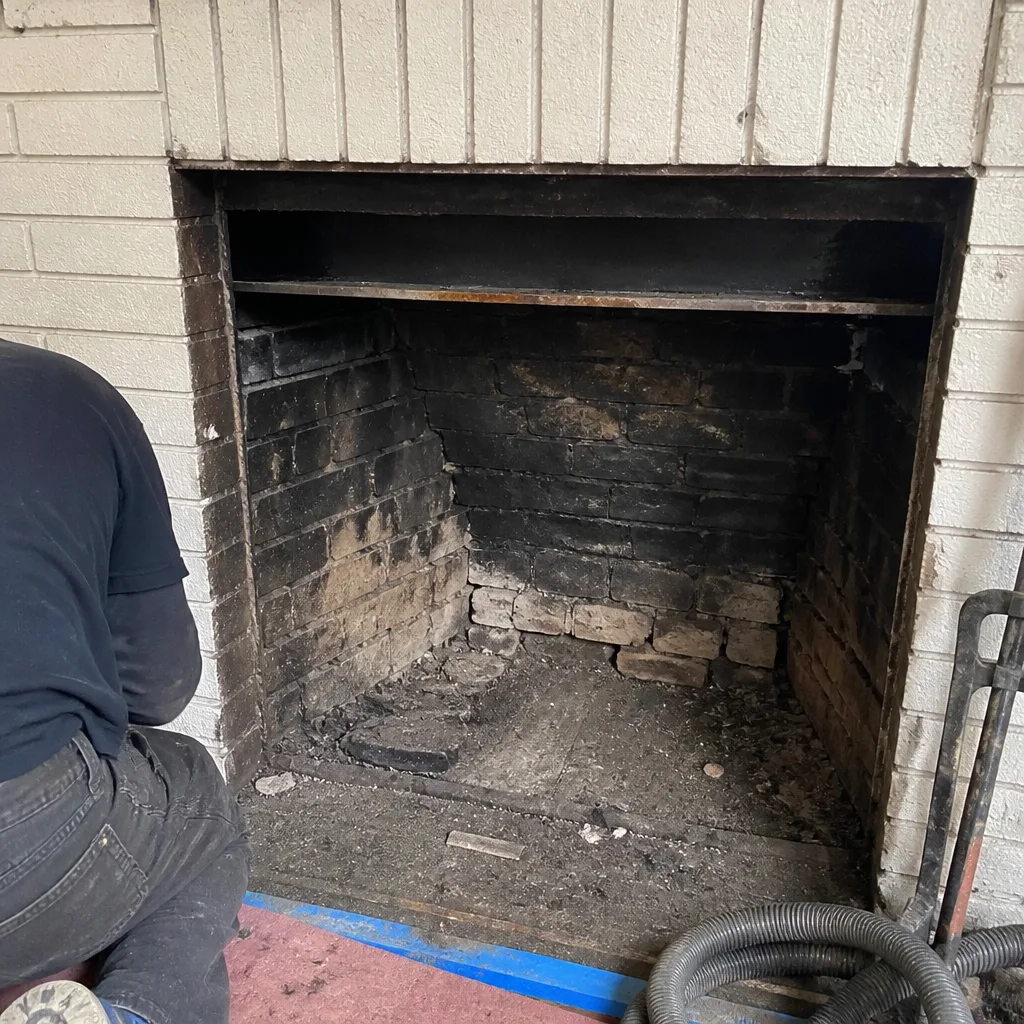 Before
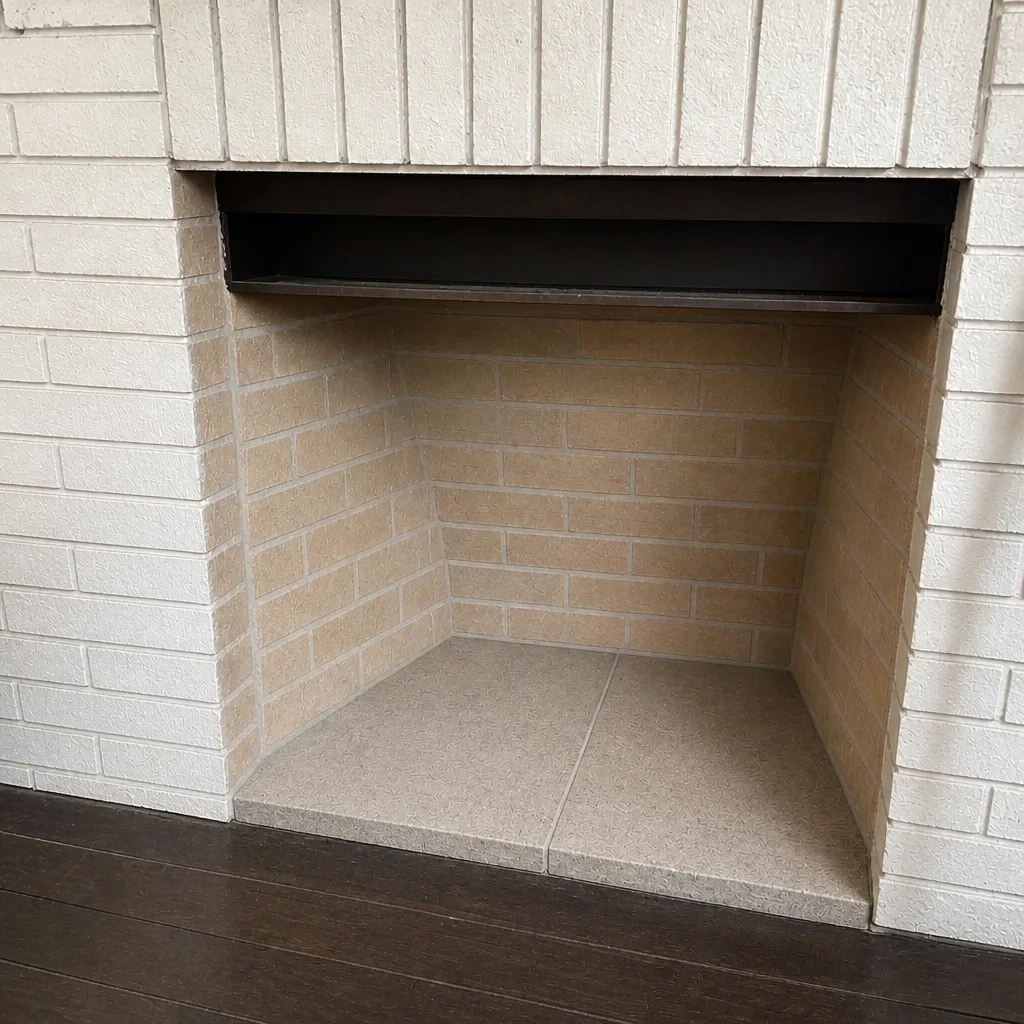 After
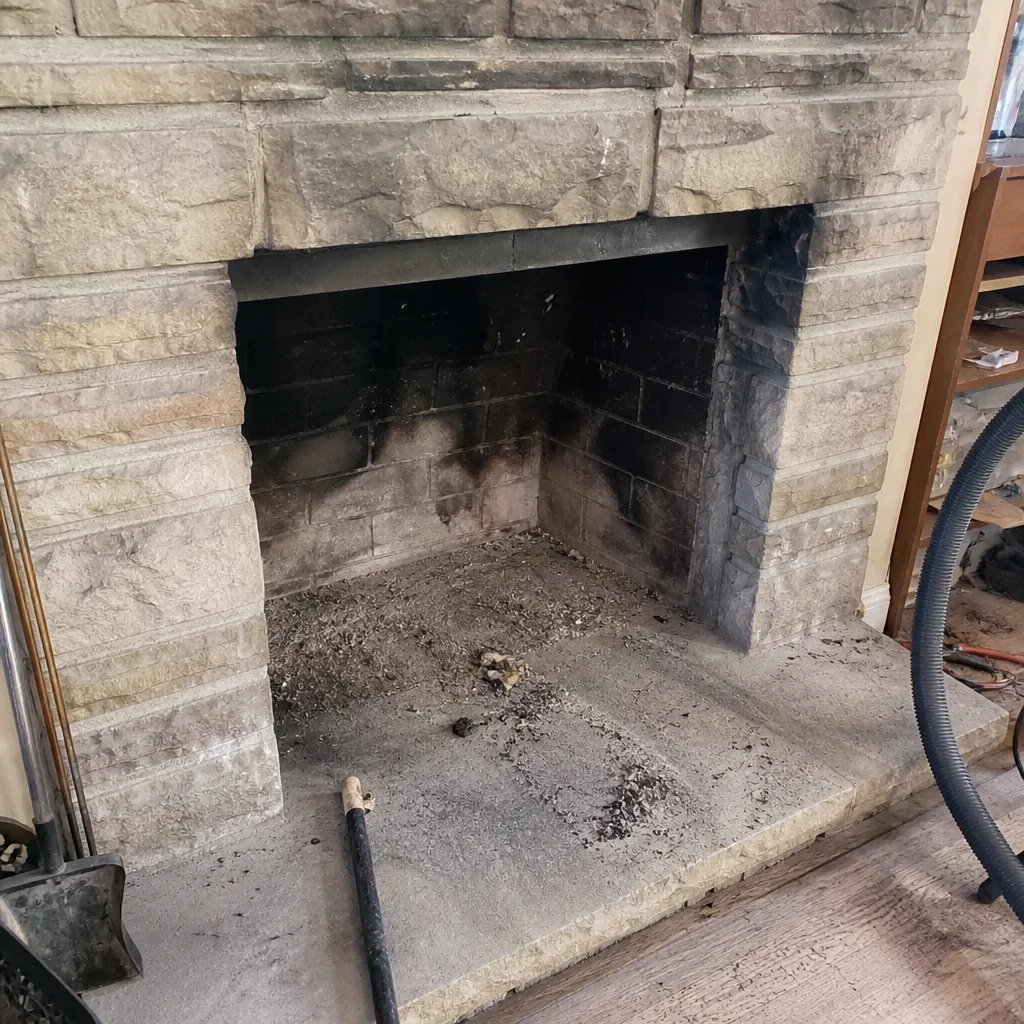 Before
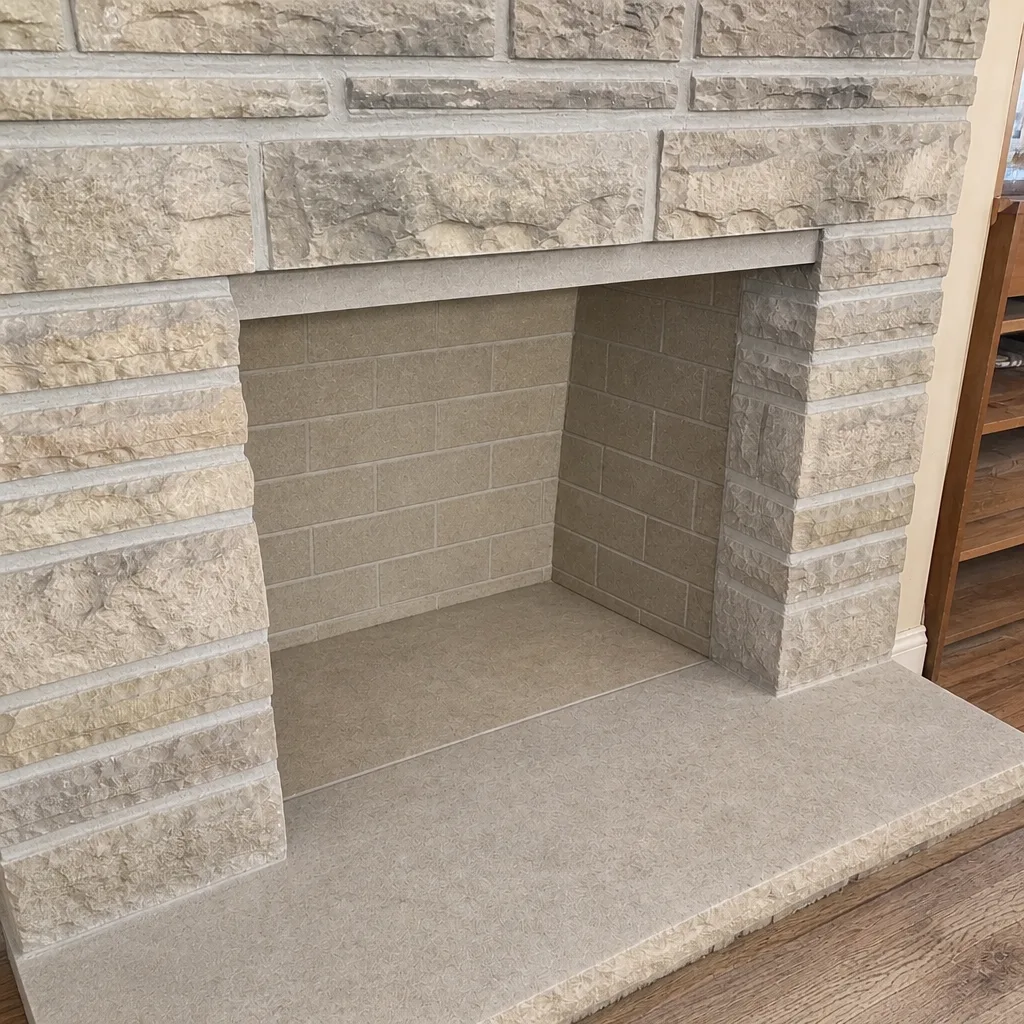 After
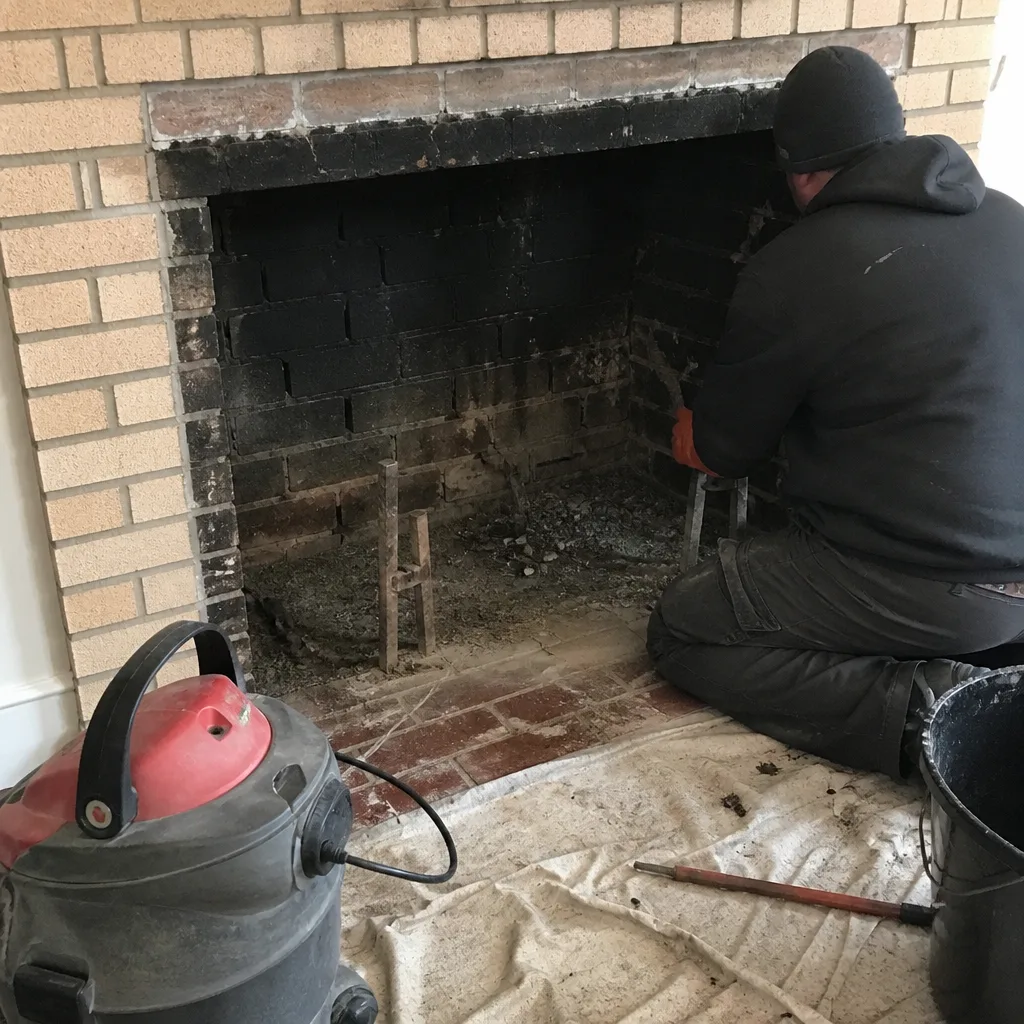 Before
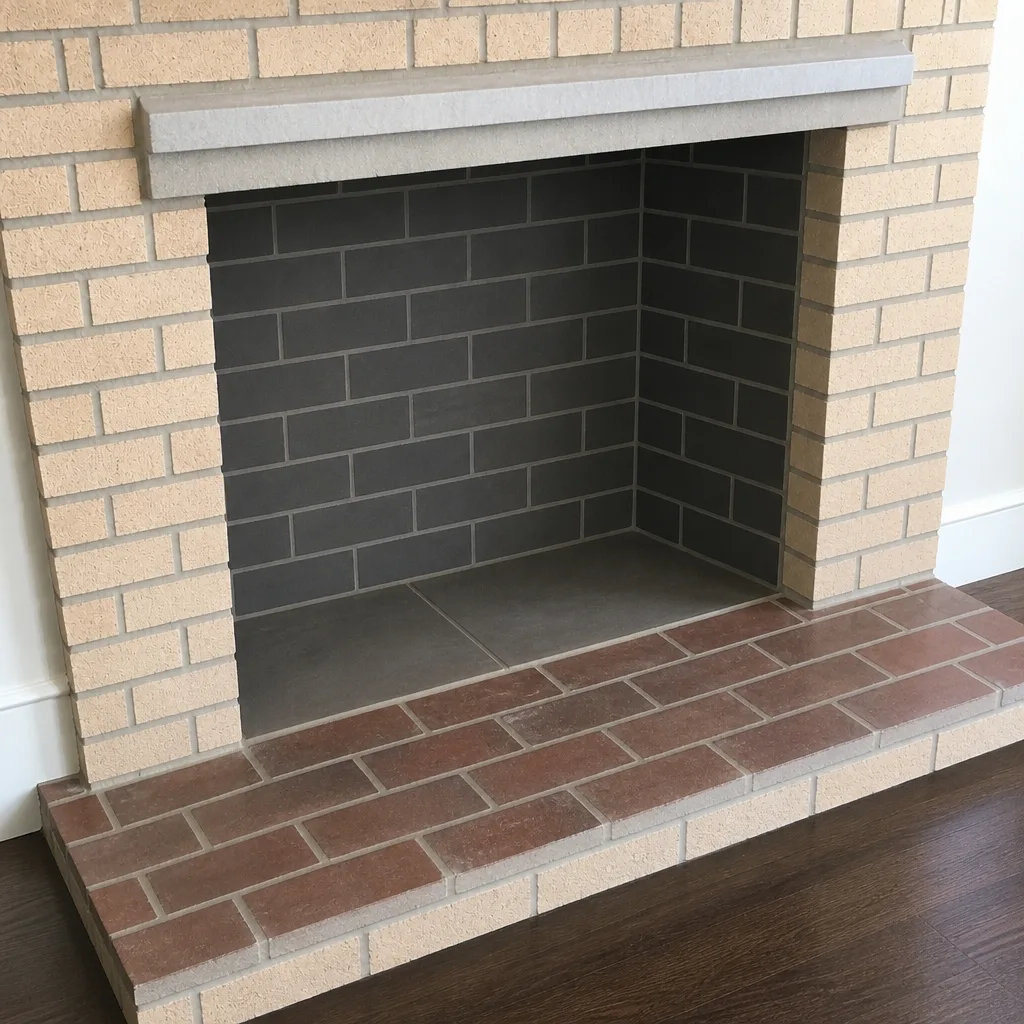 After
Does a HeatShield liner mean my chimney never needs sweeping again?
No. A HeatShield liner smooths and restores the flue interior, but creosote still forms on it the same way it forms on clay tile, and the flue still needs annual sweeping and inspection. What changes is the surface. A properly applied liner sheds deposits more evenly, while an uneven or poorly bonded one catches creosote and debris faster than the original tile did. Annual inspection is how you tell the difference.
How do I know if my flue is a candidate for HeatShield resurfacing instead of a stainless liner?
It comes down to the substrate. A flue with cracked or spalled tile and joint gaps within the system’s bridging limits, on sound and dry masonry, is usually a resurfacing candidate. A flue with missing tile sections, a collapsed crown, heavy distortion, or water-saturated masonry is better served by a stainless reline or by masonry repairs first. A Level 2 inspection with a camera answers this, and no honest answer comes before it.
Is the white staining on my chimney related to a HeatShield job?
White staining on exterior brick usually points to water moving through the masonry, and water is the enemy of any liner repair. Resurfacing a flue while the crown is cracked and moisture is entering traps that moisture behind the new surface. The liner looks intact and the brick keeps degrading. When we find staining alongside a HeatShield evaluation, crown repair and water entry control come first.
Can HeatShield be applied over glazed creosote?
No. Soot and glazed creosote left on the tile prevent the mix from bonding, and the resulting failure shows up as a separated, flaking liner rather than gradual wear. The flue has to be swept to bare tile before anything is applied. Any quote that skips that step is a quote worth questioning.
What should a HeatShield quote include for a Fort Wayne masonry chimney?
A complete quote covers the Level 2 inspection, the sweep to bare tile, a joint-gap assessment, crown and water entry evaluation, the HeatShield application itself, and the cure conditions. On older Fort Wayne masonry it should also address whether the flue was originally coal-fired and whether it shares a path with a furnace. Missing any of those steps is how a resurfacing job fails. Call (866) 589-6152 for an exact quote. Estimates are free.
Book Your HeatShield Service in Fort Wayne, IN
If you’re weighing HeatShield against a stainless liner, or you’ve inherited a resurfaced flue and aren’t sure it was done right, start with the inspection. We’ll put a camera in the flue, show you what’s there, and tell you plainly whether resurfacing fits or something else does. Call (866) 589-6152. We answer 24/7. Fast dispatch from 7am to 7pm, Sunday through Friday. Estimates are free.
Written by the team at Fort Wayne Chimney Sweep.