
Last updated November 15, 2026
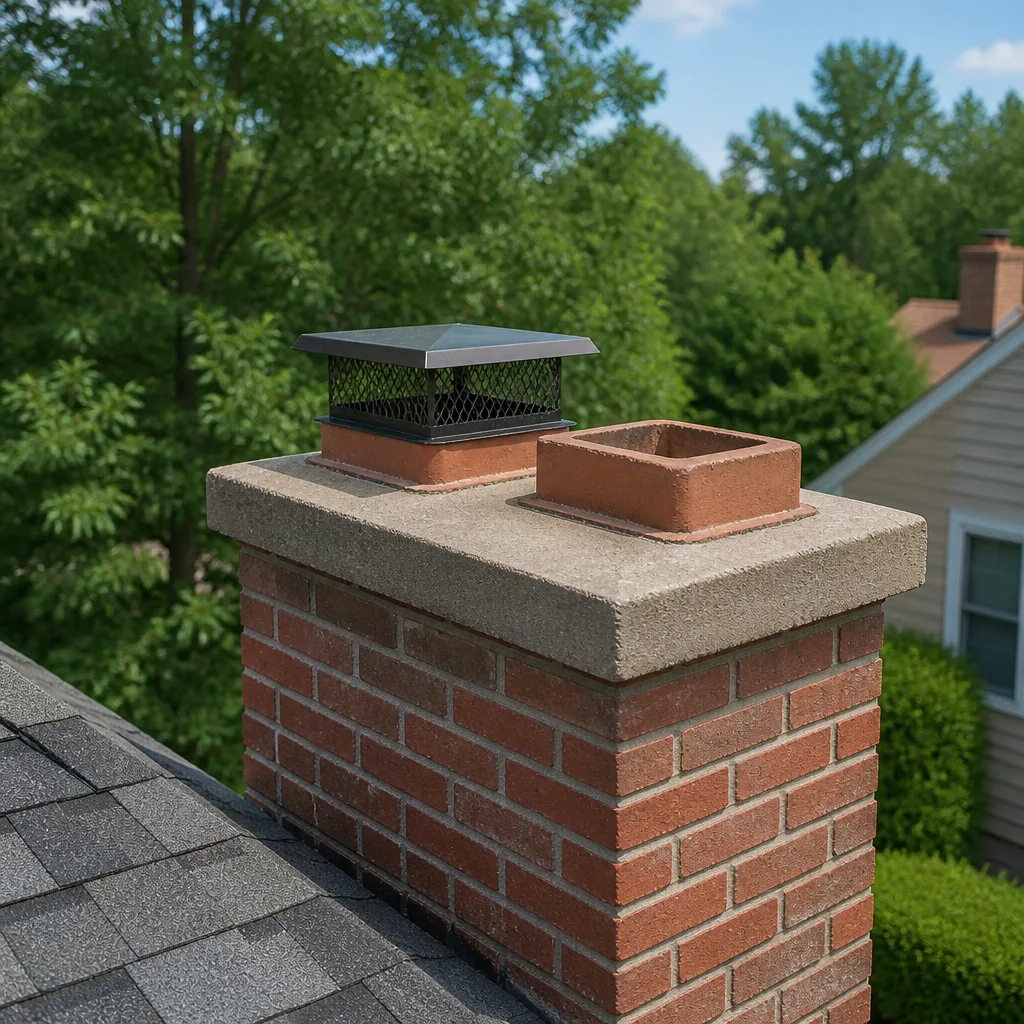 Sweep & inspection
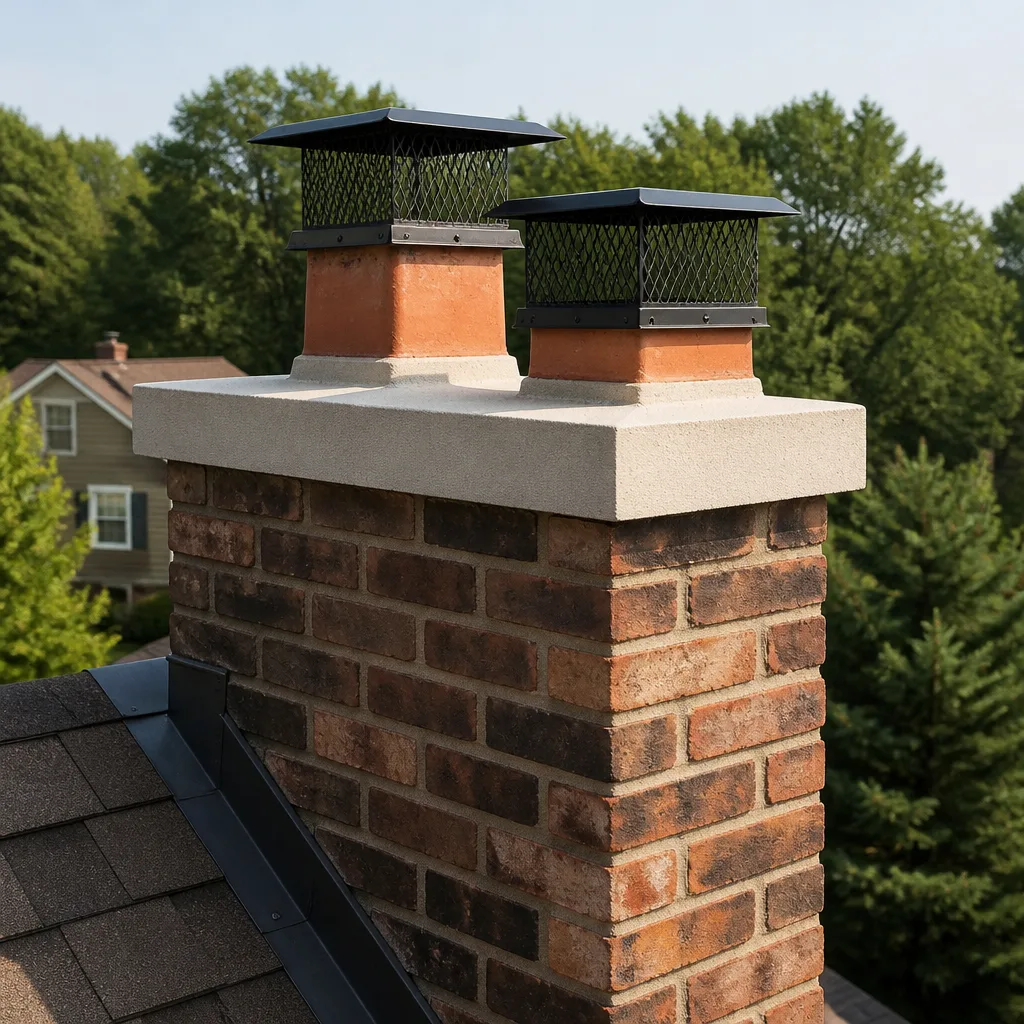 Caps & crowns
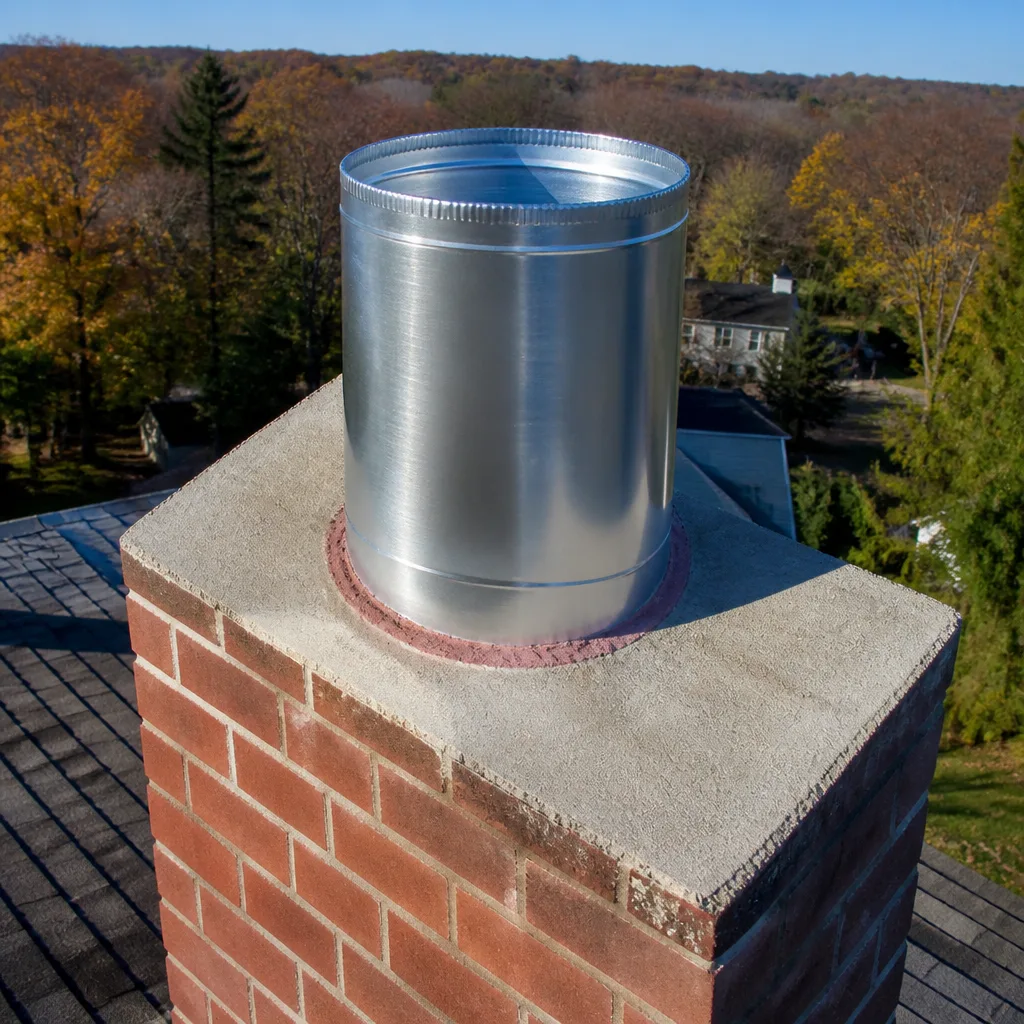 Flue relining
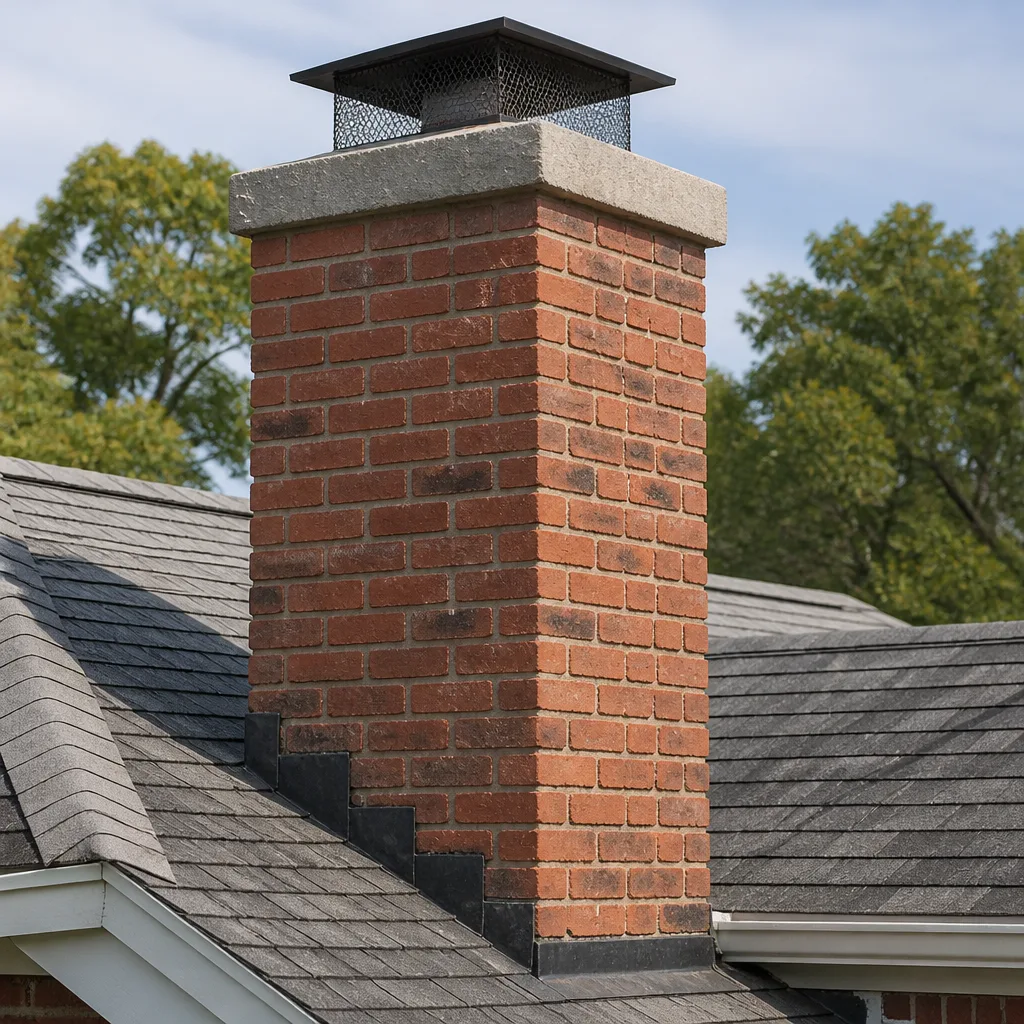 Masonry repair
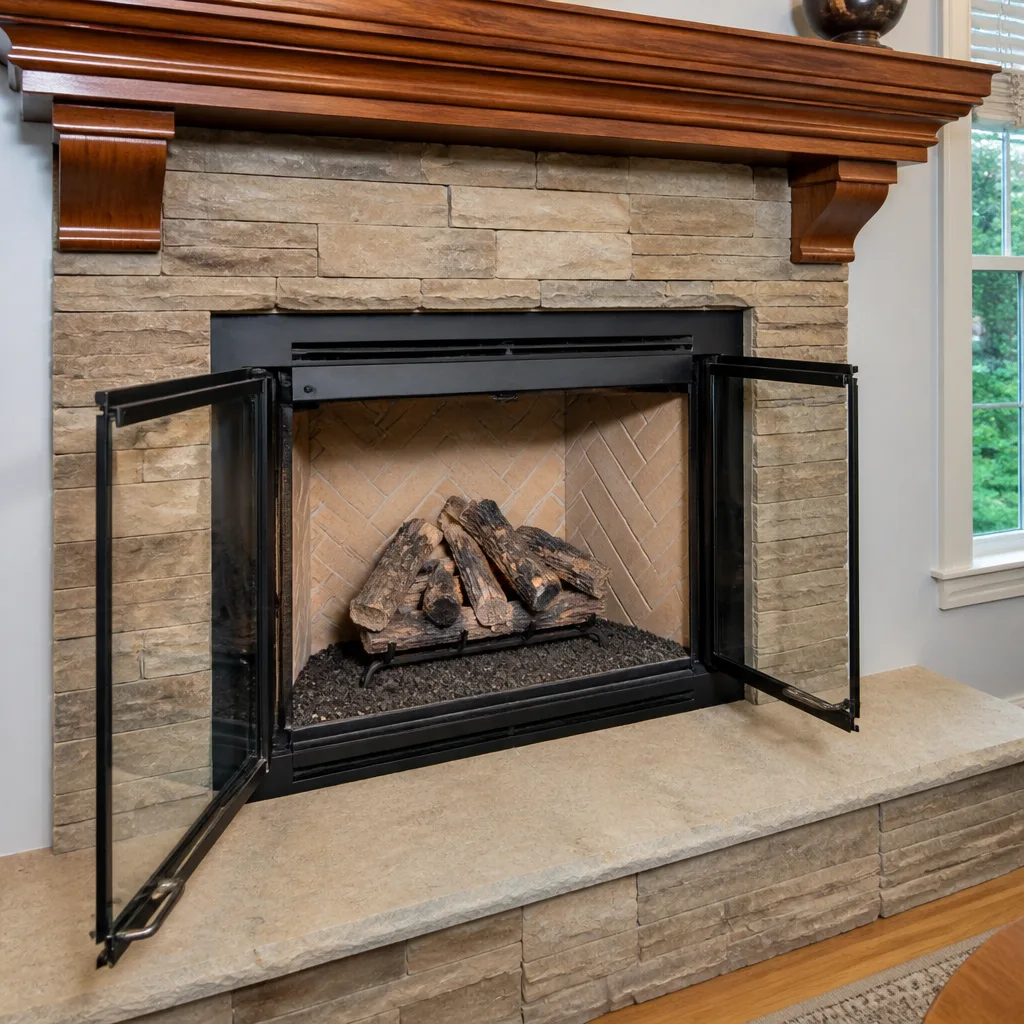 Gas fireplace service
Level 1 sweep and inspection to the NFPA 211 annual standard - flue, crown, cap, and flashing checked and photographed
Chimney sweep logs do not sweep chimneys. They loosen some creosote - which then falls where a brush and vacuum still have to collect it.
Chimney Sweep Maintenance Checklist for Fort Wayne Homeowners
Most chimney problems in Fort Wayne announce themselves at the ceiling, not the firebox. By the time a brown ring shows up on drywall, water has usually been moving through the flue for several freeze-thaw cycles, because the part that let it in sits on the roof where nobody looks between October and April. A maintenance checklist works when it’s sequenced to catch failures in the order northeast Indiana weather actually causes them. What follows is a task-by-task, season-by-season framework built around what we find in Fort Wayne chimneys: what to verify before the first fire, what to watch mid-winter, what to assess after the thaw, and what to log so the paper trail holds up later.
Quick Answer
A complete chimney maintenance checklist for Fort Wayne runs on four checkpoints: a September pre-season inspection and sweep before the first fire, monthly ground-level and firebox checks through winter, a post-winter assessment of masonry and flashing after freeze-thaw stress, and a written log of every service call. Homeowners can handle the visual checks; the sweep, the flue inspection, and any repair work belong to a trained professional.
Styles & brands we work with
- Sweep & inspection
- Caps & crowns
- Flue relining
- Masonry repair
- Gas fireplace service
Table of Contents
- Why a Sequenced Checklist Beats an Annual Reminder
- The September Pre-Season Checklist
- Mid-Winter Spot Checks You Can Do Safely
- The Post-Winter Masonry Assessment
- What to Log After Every Professional Service Call
- The Three Maintenance Tasks Homeowners Routinely Skip
- The Three Levels of Chimney Inspection
- Building a Year-Round Schedule for Your Fort Wayne Home
Why a Sequenced Checklist Beats an Annual Reminder
A generic “sweep your chimney once a year” reminder treats every month the same. Fort Wayne weather doesn’t. The chimney spends fall drying out, winter absorbing freeze-thaw stress, and spring opening seams that were tight in October. The failure modes stack in a predictable order, and a checklist that maps to that order catches problems while they’re still cheap to fix.
Here’s the sequence that actually matters in northeast Indiana:
- Before the first fire. Creosote load, cap condition, damper operation, and a full flue inspection happen while there’s still time to schedule repairs before cold weather.
- Through the burn season. Ground-level and firebox observations catch the early signs of a cap failure, a cracked crown, or a draft problem.
- After the last fire. Masonry, flashing, and mortar joints get assessed while the damage from a winter of freeze-thaw is fresh and visible.
- After every service call. Documentation of what was found, what was done, and what to watch keeps the record intact.
Each step feeds the next. A mid-winter observation about water in the firebox points the post-winter assessment at the crown. A service log entry about a hairline crack in the flue tile becomes a spot to re-check the following September. Chimney work is cumulative that way, and so is the record of it.
The September Pre-Season Checklist
September is when a Fort Wayne chimney gets its last clear look before the burn season. Creosote deposits from last winter are still what they were, the cap hasn’t yet been loaded with ice, and any repair flagged now can be completed before the first cold snap. Waiting until the first frost to call turns a routine sweep into a scramble.
Before the first fire of the year, work through this list:
- Confirm the last professional sweep date. If it’s been more than a year of regular burning, or if you’ve burned a cord or more of wood since the last visit, the chimney needs sweeping. Heavy use shortens the interval; a fireplace used a few times a season may stretch it, but it should still be inspected annually.
- Look at the cap from the ground. A chimney cap should sit flat and whole. Missing spark screens, dented tops, or a cap that’s visibly tilted mean the flue is exposed to rain and to birds and squirrels, all of which find Indiana chimneys convenient.
- Check the firebox for water stains. Rust-colored streaks or a damp patch near the damper suggest water is getting in from above. That’s a cap or crown issue, and it’s cheaper to address before the first hard freeze seals it in.
- Open and close the damper. It should move through its full range without sticking. A damper that won’t open fully is a smoke-in-the-room problem waiting to happen.
- Clear the firebox of ash. A thick ash bed insulates the fire from the grate and shortens fire life. A reasonable layer is fine; a buildup from last season isn’t.
- Book the professional sweep and inspection. Schedule it before the first cold snap. In our experience the September-to-October window is when most Fort Wayne homeowners should be scheduled, not after the first frost sends everyone calling at once.
If the September inspection turns up something, it’s better to know now. A chimney cap replacement, a crown repair, or a flue resurfacing job flagged in September is a job that can happen on a normal timeline. Flagged in November, it becomes a job with a deadline attached. This is what the chimney sweep visit is really for.
Mid-Winter Spot Checks You Can Do Safely
Once the burn season is running, most homeowners don’t want to think about the chimney until spring. That’s exactly when small failures become large ones. A short mid-winter routine catches the early signals without requiring any roof work or any handling of the flue.
What to check, and what each signal means:
- Ground-level cap check. Look up at the chimney every few weeks. Ice and snow load the cap; a cap that’s shed a piece or bent under a load has opened the flue to water. This is the single most common mid-winter failure we see in Fort Wayne, and it’s the one homeowners almost never look for until the water has already reached the ceiling.
- Firebox moisture. Any rust-colored streaks, damp patches, or a water line on the firebox brick point to water entering from the top. Note where it is and which side of the firebox it’s on. That detail helps the spring assessment.
- Draft consistency. A fireplace that drafted cleanly in October but smokes in January may have a partial cap or screen blockage, or a change in the flue from a creosote deposit. Note whether the problem shows up on cold, still days or only on windy ones.
- Creosote buildup on the firebox walls. A light flaky layer is normal in a working fireplace; a glossy, tar-like sheen on the firebox walls or the damper frame means a sweep is overdue and the next fire should wait until a professional has looked at it.
- Visible smoke outside the flue top. Smoke rolling back down the chimney, or an unusual amount of smoke spreading at the cap from the ground, is a reason to stop burning until the flue is checked.
None of these checks require getting on the roof. If one turns up a signal, the next step is professional. chimney repair should never begin with a homeowner on a ladder in January.
Why the Cap Is the Weak Point
The chimney cap is the first thing to fail in a Fort Wayne winter and the last thing most homeowners check. It sits at the top of the flue, exposed to every freeze cycle, every ice load, and every wind event the season sends. When a cap fails, water doesn’t just hit the top course of brick; it travels down the flue, wets the flue tile, and refreezes against masonry that was never designed to sit wet through a hard frost. Two or three cycles later, the damage shows up indoors.
The Post-Winter Masonry Assessment
Fort Wayne winters ask a lot of masonry. Water works into the smallest joint, freezes overnight, expands, and leaves the mortar slightly looser when it thaws. Repeat that through a season and mortar joints that looked tight in October open up by March. The post-winter assessment is where a Fort Wayne homeowner finds out what the winter actually did.
Items to assess after the last fire of the season:
- Mortar joints on the exterior. From the ground, look for joints that are recessed, crumbly, or missing mortar. Any joint that has visibly receded since autumn is a sign of freeze-thaw damage and should be repointed before the next winter.
- Crown condition. The crown is the concrete or mortar cap at the top of the chimney that slopes water away from the flue. Cracks, spalling, or a crown that’s pulling away from the flue tile need repair before the next season; a crown that’s shed a chunk is failing.
- Flashing at the roofline. The metal flashing where the chimney meets the roof takes ice-damming stress in Fort Wayne. Look for lifted edges, gaps, or rust streaks running down the roof from the flashing.
- Brick face and spalling. Crumbling brick, efflorescence (the white mineral staining), or brick faces that have flaked off over winter indicate that the brick has been holding water. This is a masonry condition, not a cosmetic one.
- Flue tile condition. Visible cracks in the flue tile, or tile sections that have visibly shifted, need inspection by a professional. Flue tile integrity is the single most important condition on the chimney.
- Interior water staining. Any new stains on ceiling or wall near the chimney from the past winter tell you where a leak started. Note the location and date.
The post-winter assessment feeds directly into the next September’s sweep. Anything flagged here becomes a spot to re-check in autumn, which is how the checklist stays cumulative year over year.
What to Log After Every Professional Service Call
The most-skipped maintenance task in chimney care is the written record. It costs nothing to keep and it matters more than most homeowners expect, first for insurance, then for resale.
What to write down after every professional visit:
- Date of service and what was performed. Sweep, inspection, or repair. If more than one, note all of them separately.
- The inspection level performed. A routine annual inspection, a more detailed inspection of accessible components, and a full inspection that may include the flue interior are different scopes. The report should state which one was done.
- Findings, in the technician’s own language. If the report notes a hairline crack in a flue tile, a worn damper, or a crown that’s starting to crack, transcribe that finding into the log along with the date. That wording is what an insurance adjuster or a future buyer will read.
- Condition ratings or categories if the report provides them. If the inspection report uses a rating system for the flue or the firebox, record the rating the technician gave, not a paraphrase.
- Recommended follow-up and the timeframe suggested. “Re-check crown next spring” is a line worth writing down; six months later it’s easy to forget.
- Photographs, if provided. A photo of the flue interior and the firebox is worth more to an adjuster than any written description. Keep the photos with the log.
Why the paper trail matters: if a chimney fire or a carbon monoxide event ever happens, the insurance company wants to see documented maintenance, not a verbal assurance that the chimney was serviced regularly. Same at resale. A home inspector or a buyer’s chimney inspector will ask for the most recent report, and a dated log answers the question in seconds. Two minutes of writing after each service call pays for itself many times over in the life of the house.
The Three Maintenance Tasks Homeowners Routinely Skip
In our experience the three items below are the ones Fort Wayne homeowners almost always leave off. Every chimney inspection we run finds evidence of at least one of them, usually more.
1. The Annual Inspection When There’s No Obvious Problem
The chimney that hasn’t misbehaved in years is the one most likely to skip its inspection. The omission is understandable; nothing is broken, so why book a visit? The problem is that flue tile cracks, slow mortar deterioration, and cap failures are invisible from the firebox. By the time a symptom shows up indoors, the underlying condition has usually been developing for a season or more. An annual inspection is the only routine that catches these while they’re small and cheap to repair.
2. The Cap and Crown Check
Homeowners think about the chimney from the firebox up. The cap and crown are two of the three components that fail first in a Fort Wayne winter, and they’re the two that get looked at least often. A cap that looks fine from the living room can be tilted, cracked, or missing its spark screen. A crown that looks intact in autumn can have hairline cracks opening by spring. Both are cheap fixes when caught early and expensive fixes when the water has already reached the ceiling below.
3. The Post-Winter Assessment
Most homeowners think about the chimney in autumn, when the burn season is starting. That’s the right time for a sweep, but it’s the wrong time to assess what freeze-thaw did to the masonry, because a winter’s worth of damage hasn’t happened yet. The post-winter walk-around, done in spring after the last fire, catches masonry deterioration while it’s still fresh and visible, and gives a Fort Wayne homeowner the whole summer to schedule the repair work.
All three tasks take a short amount of time. All three prevent the annual chimney call from turning into a structural repair.
The Three Levels of Chimney Inspection
Chimney inspections aren’t one thing. The industry standard breaks them into three levels, each with a different scope and a different reason to be done. Knowing which level a visit should be is part of maintaining the chimney correctly, because a routine sweep with a visual inspection is not the same as a full inspection with the flue interior examined.
- Level 1 inspection. A visual inspection of readily accessible portions of the chimney, plus the firebox and the connected appliance. This is the routine annual inspection, appropriate when the chimney is in regular use and no change has occurred. A sweep is normally paired with a Level 1 inspection.
- Level 2 inspection. A more detailed inspection that includes accessible portions of the attic, crawlspace, and other areas around the chimney, and may include a video scan of the flue interior. This is the appropriate inspection when a change has occurred: a new appliance, a change in fuel type, a chimney fire, or a real estate transaction.
- Level 3 inspection. A targeted inspection of specific concealed areas, done when a Level 1 or Level 2 inspection has identified a condition that requires opening up part of the chimney or adjacent structure to investigate further.
For most Fort Wayne homeowners in a single-family house with a regularly used fireplace, the routine annual visit should be a Level 1 inspection paired with a sweep. A Level 2 is appropriate whenever the situation has changed, and a Level 3 is rare but sometimes necessary.
Building a Year-Round Schedule for Your Fort Wayne Home
The checklist works best when it’s mapped to a calendar, not held in memory. Here’s the schedule we suggest to Fort Wayne homeowners based on the climate and the way chimney problems actually develop here:
- September (before the first fire). Book the professional sweep and Level 1 inspection. Do the firebox and damper checks yourself. Look at the cap from the ground.
- October through February (burn season). Every few weeks, look at the cap from the ground. Check the firebox for moisture and visible creosote buildup. Open and close the damper at the start of each month. If anything looks off, stop burning until a professional has looked at it.
- March or April (after the last fire). Do the post-winter walk-around: mortar joints, crown, flashing, brick face, and any interior water stains from the winter. Note every observation.
- May through August (repair window). Any repair flagged in the post-winter assessment is easier and cheaper to schedule now than in the autumn crush. Masonry repairs, crown repairs, and liner work all happen more smoothly in the off-season.
- After every professional visit. Update the service log with the date, the level of inspection, the findings, and any recommended follow-up. Keep the photographs in the same place.
Fort Wayne homes fall into a few rough categories when it comes to how much of this schedule matters. Older masonry chimneys with furred-out flue tile and aging mortar need every checkpoint. A wood-burning fireplace with a well-maintained liner and cap is on the same schedule but usually with fewer flagged items. A gas appliance with a properly vented flue deserves the same annual sweep and inspection as wood, because the venting matters as much as anything else. And a home in a neighborhood where chimneys are exposed to the wind and weather of an open lot needs the mid-winter check the most, because the cap takes the load.
Weather in northeast Indiana is the reason the schedule is worth following at all. The freeze-thaw cycle here is not gentle, and it’s not a once-a-year event. A chimney that’s been correctly swept is prepared for the burn season, but it’s the schedule around the sweep that keeps the masonry, the cap, and the flue tile sound through the winter.
Product choice matters here too. When a repair is needed, we work with liner and resurfacing products that are made for the kind of flue systems we see in Fort Wayne. HeatShield is a ceramic flue resurfacing product that can extend the working life of a flue without a full reline in the right conditions. DuraFlex is a liner system for cases where a full reline is the right answer. We also work with Gelco and Olympia Chimney product lines, and the choice between them is driven by what the inspection finds, not by a preferred supplier. No two chimneys need the same fix.
Common Mistakes to Avoid
- Waiting until the first cold snap to book a sweep. Every Fort Wayne homeowner who’s called in late October knows the schedule fills fast. Booking in September is what makes the season easy.
- Judging the chimney by the firebox alone. A firebox can look clean while the flue above it is carrying a significant creosote load or a cracked tile. The sweep exists to see the part you can’t.
- Ignoring a cap that “still looks fine” from the ground. A cap can be tilted, cracked, or missing its spark screen without looking obviously broken from twenty feet away. If in doubt, have it checked.
- Burning soft or unseasoned wood to stretch the firewood. Unseasoned wood deposits more creosote per fire, and creosote is the fuel for a chimney fire. Seasoned hardwood is worth the cost in Fort Wayne, where the burn season is long enough to matter.
- Skipping the post-winter assessment. The damage from a hard freeze-thaw winter is at its most visible in spring. By September, some of it has been masked by new growth of the same joints loosening again.
- Not logging service calls. Homeowners who can produce a maintenance log when an insurance claim or a home sale comes up have a materially easier time than ones who can’t.
- Hiring a general handyman for chimney work. A chimney is a specialty trade. Generalists treat it as one of many jobs; a chimney specialist treats it as the only one. The difference shows up in what gets missed.
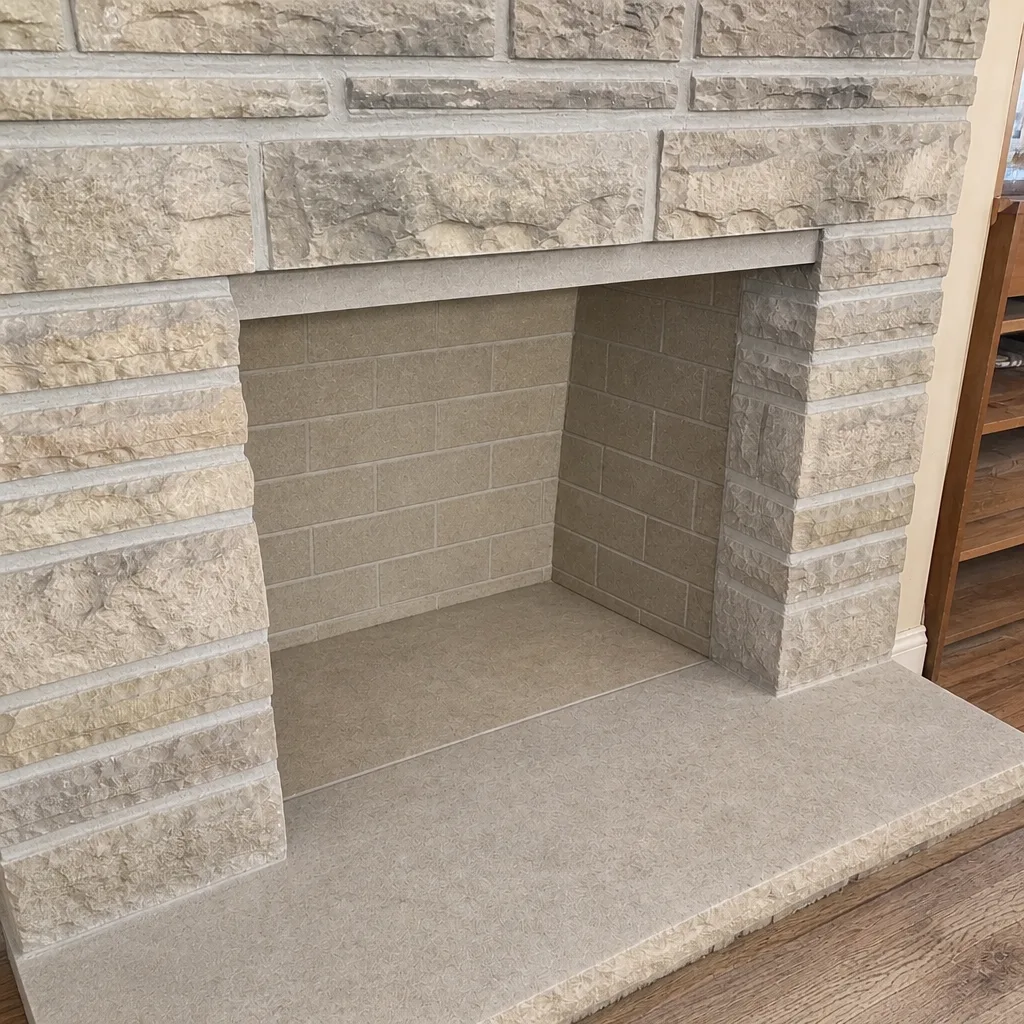
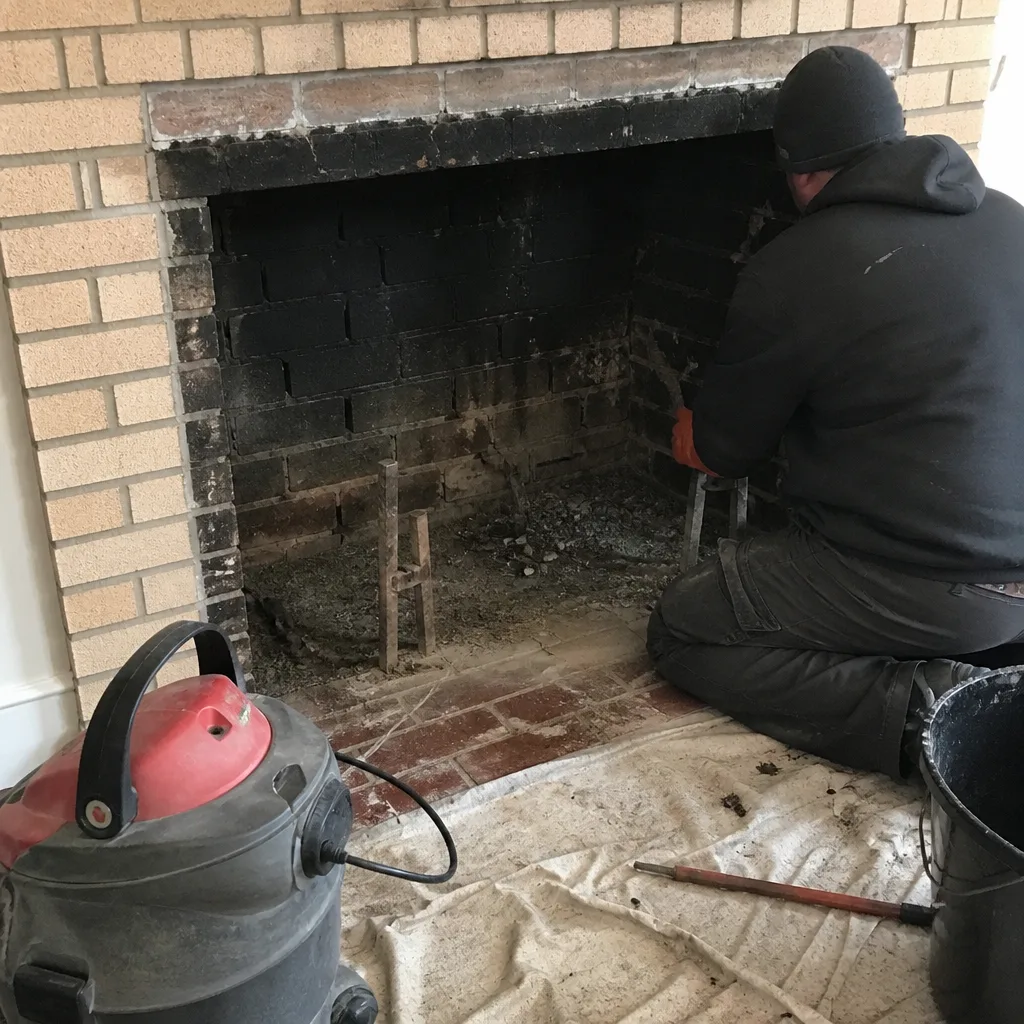
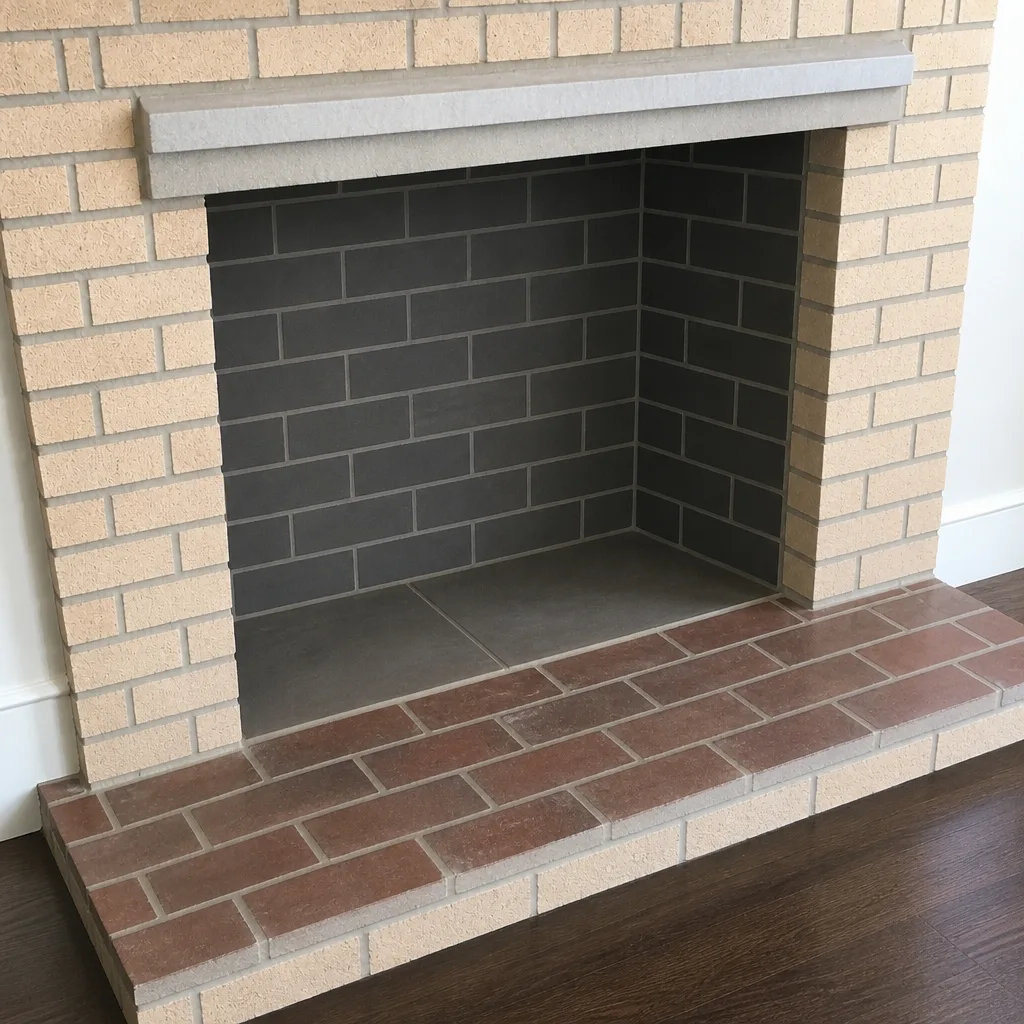
See the difference
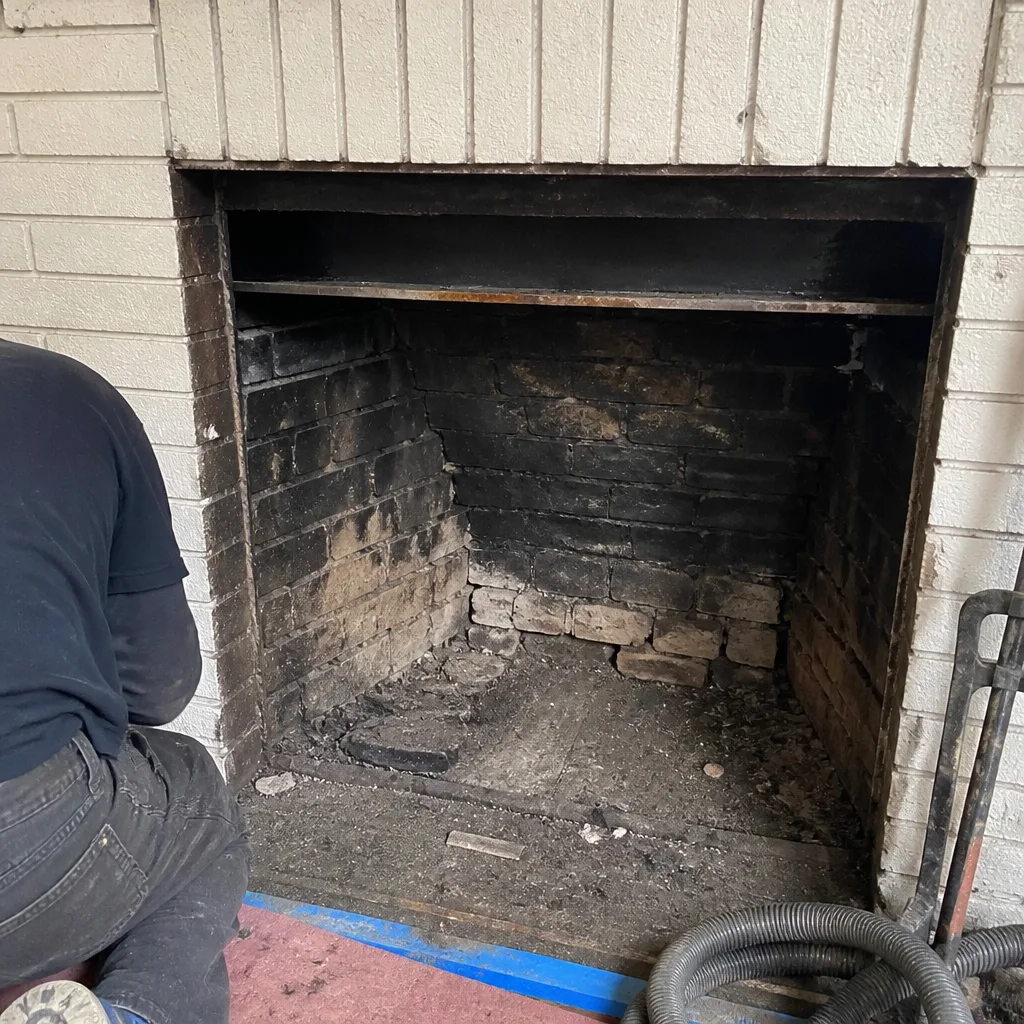 Before
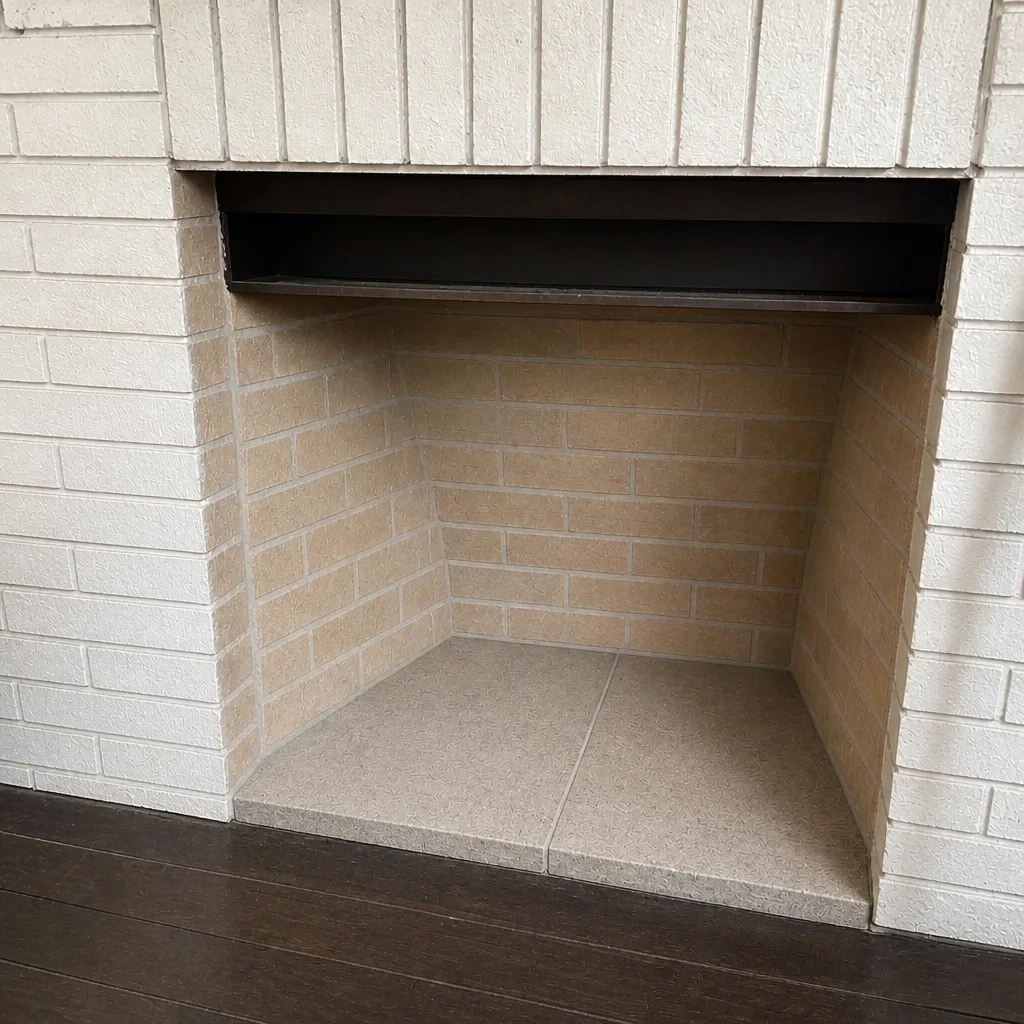 After
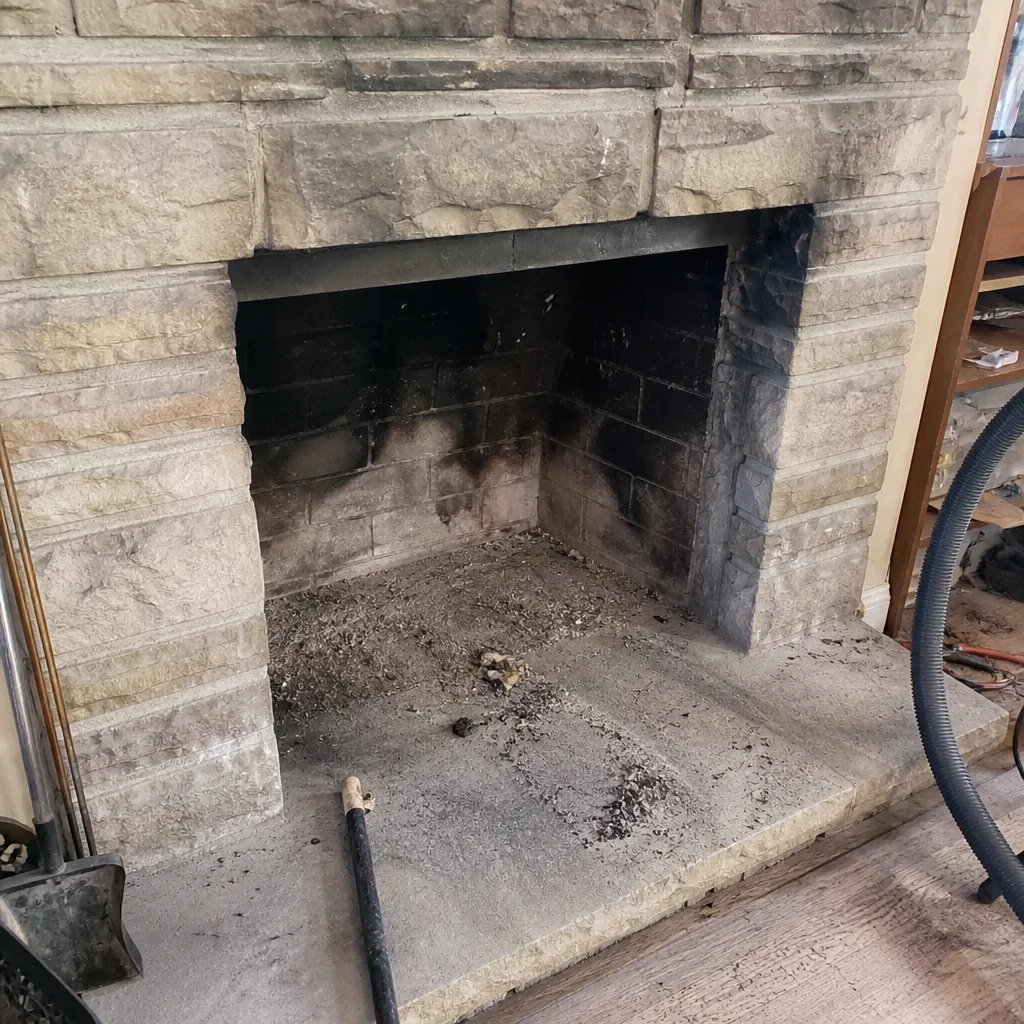 Before
 After
 Before
 After
When to Call a Professional
Some chimney work belongs to a trained professional, full stop. Call us when any of the following is true: the chimney hasn’t been swept in more than a year of regular burning, or you’ve burned a cord or more of wood since the last visit; the cap is visibly damaged, missing, or tilted; there’s water staining in the firebox, on the ceiling, or on the wall near the chimney; the firebox shows a glossy, tar-like creosote layer; the damper won’t open fully; the fireplace drafts poorly or smokes into the room; you notice visible cracks or shifting in the flue tile; or the masonry, crown, or flashing has visible deterioration. It’s also time to call if you’re buying or selling a Fort Wayne home and want a chimney inspection as part of the transaction. Fort Wayne Chimney Sweep offers free estimates in Fort Wayne. Call (866) 589-6152. We answer 24/7. Fast dispatch, 7am-7pm, Sunday through Friday.
Frequently Asked Questions
Once a year for most homes, and more often with heavy use. A wood-burning fireplace used regularly should be swept annually; a household burning a cord or more per season may need it more often, while a fireplace used a handful of times a year may stretch to a longer interval so long as the annual inspection still happens. The inspection, not the sweep, is what sets the interval.
Ground-level and firebox checks are worth doing, but they aren’t a substitute for professional inspection. A homeowner can see the cap and the firebox; they can’t see the flue interior, the flue tile condition, or the crown from ground level. The annual Level 1 inspection and the sweep catch what the visual walk-around can’t.
Creosote accumulates in the flue with each fire, and heavier deposits are the fuel for a chimney fire. A blocked or partially blocked flue can also trap carbon monoxide inside the house instead of venting it outside. Neither condition is visible from the firebox, which is why the sweep exists. If the sweep is overdue, stop burning until a professional has looked at the flue.
A Level 2 inspection before closing is the right call on either side of a transaction. The inspection identifies conditions a general home inspection won’t catch, and the report is worth keeping with the property records. Sellers should have the maintenance log ready; buyers should have the inspection done before the sale closes.
Yes in schedule, and in scope of inspection. A gas appliance has a flue that needs annual inspection and, depending on how the appliance vents, periodic sweeping. The venting is what matters. Gas appliances don’t produce creosote the way wood does, but a flue that isn’t looked at still develops the standard conditions, and the annual inspection catches them the same way.
Often yes. A ceramic flue resurfacing product like HeatShield can extend the working life of a flue when the underlying condition allows it, and full relining with a system like DuraFlex is reserved for the cases where resurfacing won’t hold. The inspection determines which route is correct, and it’s the reason we work with several product lines rather than one: the chimney decides the method, not the supplier. Call (866) 589-6152 for an exact quote. Estimates are free.
The Bottom Line
A chimney maintenance checklist works when it’s sequenced to the way a Fort Wayne winter actually stresses the chimney. The September sweep and inspection prepare the flue for the burn season, the mid-winter checks catch the early warning signs, the post-winter walk-around catches what the freeze-thaw did to the masonry, and the service log holds the record together across years. Every checkpoint in this guide is a small piece of work. The alternative is the call that comes in November after water has already reached the ceiling, and that call is a very different job. The technicians at Fort Wayne Chimney Sweep have up to experience; this is all we do, which means we’re better at it. Call (866) 589-6152. We answer 24/7. Fast dispatch from 7am to 7pm, Sunday through Friday.
Written by the team at Fort Wayne Chimney Sweep.